
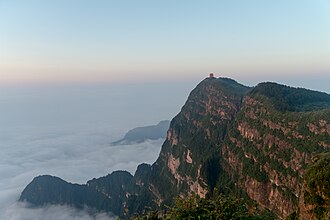
⛰️ Mount Emei (Emeishan)
China
About This Sacred Site
Mount Emei in Sichuan Province is the highest of China's Four Sacred Buddhist Mountains and has been a place of Buddhist worship for nearly 2,000 years. Rising to 3,099 meters, the mountain is home to over 30 temples, including the famous Golden Summit with its gleaming 48-meter-tall golden statue of the Bodhisattva Samantabhadra. The mountain's diverse ecosystem, ranging from subtropical to alpine, harbors rare species including the Tibetan macaque. A sea of clouds frequently forms below the summit, creating an otherworldly atmosphere that has inspired poets and painters for centuries.
Spiritual Significance
Mount Emei, rising to 3,099 meters and recognized as the highest of China’s Four Sacred Buddhist Mountains, has been a pilgrimage destination since the 1st century CE linked to Samantabhadra Bodhisattva, to whom many temples are dedicated. The mountain hosts over 30 Buddhist temples, some dating back nearly 2,000 years, including Baoguo Temple and Wannian Temple, where pilgrims engage in morning prayers and meditation retreats. The Golden Summit features a 48-meter-tall statue of Samantabhadra, symbolizing virtue and practice, serving as a focal point for ritual circumambulation and offerings. Pilgrims undertake arduous multi-day ascents, often performing full-body prostrations along paths marked by prayer flags and incense burners, reflecting the devotional practice of cultivating patience and perseverance. Annual festivals such as the Samantabhadra Festival attract thousands who participate in chanting and ritual dances derived from Tibetan and Chinese Buddhist liturgies. The mountain’s diverse flora and fauna are imbued with sacred symbolism, reinforcing teachings on interconnectedness found in Mahayana sutras housed within the monasteries.
Key Facts
- •The highest of China's Four Sacred Buddhist Mountains at 3,099 meters
- •Home to over 30 Buddhist temples spanning nearly 2,000 years
- •The Golden Summit features a 48-meter-tall golden Samantabhadra statue
- •The 'Buddha's Halo' — a rare rainbow-like optical phenomenon — can sometimes be seen from the summit
- •UNESCO World Heritage Site since 1996 for both cultural and natural significance
Location
Coordinates: 29.5200, 103.3325
Frequently Asked Questions
What religion is Mount Emei (Emeishan) associated with?▾
Mount Emei (Emeishan) is a Buddhism holy site located in China. It was established c. 1st century CE and is ranked #96 in our global directory of sacred sites.
When was Mount Emei (Emeishan) established?▾
Mount Emei (Emeishan) dates back to c. 1st century CE. The highest of China's Four Sacred Buddhist Mountains at 3,099 meters
How many people visit Mount Emei (Emeishan) each year?▾
Mount Emei (Emeishan) receives approximately 3+ million visitors per year. Home to over 30 Buddhist temples spanning nearly 2,000 years
What is Mount Emei (Emeishan) known for?▾
One of China's Four Sacred Buddhist Mountains, home to over 30 temples. Visitors come seeking spiritual enlightenment, meditation, pilgrimage, peace. The Golden Summit features a 48-meter-tall golden Samantabhadra statue
Related Holy Sites
Sacred places connected by country, religion, and purpose
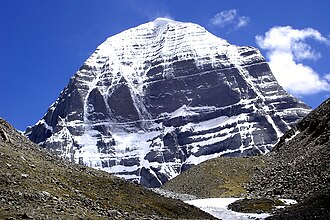
🏔️Mount Kailash
Sacred to four religions, considered the center of the universe.
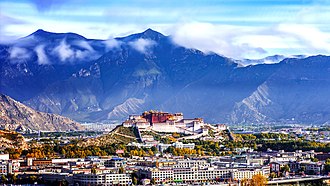
🏯Potala Palace
Former winter residence of the Dalai Lama, towering over Lhasa.
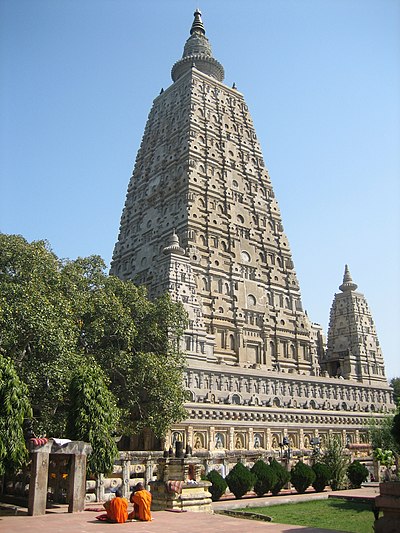
☸️Bodh Gaya (Mahabodhi Temple)
Where Siddhartha Gautama attained enlightenment and became the Buddha.
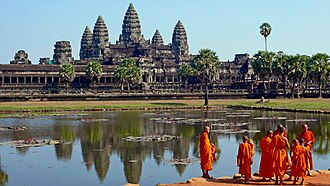
🛕Angkor Wat
The largest religious monument in the world, originally Hindu then Buddhist.
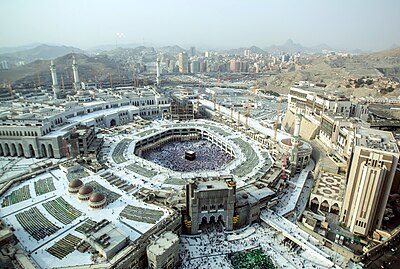
🕋Masjid al-Haram (Great Mosque of Mecca)
The holiest site in Islam, home of the Kaaba, and the destination for Hajj pilgrimage.
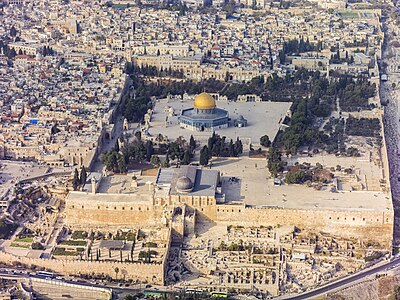
🕌Temple Mount / Al-Aqsa (Jerusalem)
Sacred to Judaism, Christianity, and Islam — the most contested holy site on Earth.

