
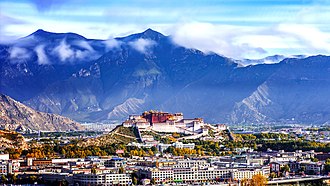
🏯 Potala Palace
China
About This Sacred Site
The Potala Palace in Lhasa, Tibet, is an architectural marvel perched at 3,700 meters altitude on Red Mountain. Serving historically as the winter residence of the Dalai Lamas, it combines religious, administrative, and residential functions. The palace’s massive structure includes the White Palace for secular affairs and the Red Palace for religious study and worship, adorned with intricate murals, statues, and sacred relics.
History & Origins
The original structure on the site dates to 637 CE during the reign of King Songtsen Gampo, but the current Potala Palace was constructed beginning in 1645 under the 5th Dalai Lama, Lozang Gyatso. It was built to consolidate religious and political power in Tibet, replacing earlier palaces. The palace complex expanded over two decades, incorporating grand halls, chapels, and living quarters. Throughout the centuries, it served as the seat of Tibetan government and spiritual leadership until the 14th Dalai Lama fled to India in 1959 amid political upheaval. Afterward, the palace became a museum and UNESCO World Heritage Site, preserving Tibetan art and history. Restoration efforts continue to maintain its structural and cultural integrity amid environmental challenges.
Spiritual Significance
The Potala Palace, originally built in 637 CE by King Songtsen Gampo and expanded in the 17th century, serves as the traditional winter residence of the Dalai Lama and a major pilgrimage site in Tibetan Buddhism. Situated at 3,700 meters above sea level on Marpo Ri hill, it houses over 1,000 rooms, 10,000 shrines, and 200,000 statues representing various Buddhist deities and past Dalai Lamas. Pilgrims circumambulate the palace following prescribed kora routes, engaging in prostrations and recitations of mantras such as Om Mani Padme Hum. The Red Palace section contains chapels dedicated to Buddhist teachings and tantric practices, including the tombs of the 5th to 14th Dalai Lamas, making it a center for religious veneration. Annual festivals like the Great Prayer Festival (Monlam) gather thousands of monks and devotees to perform ritual prayers and debates based on the Kangyur and Tengyur scriptures. The palace's spiritual role extends beyond a residence, symbolizing the union of temporal and spiritual authority in Tibetan Buddhism.
Key Facts
- •Stands at 3,700 meters above sea level, one of the highest palaces in the world
- •Contains over 1,000 rooms, 10,000 shrines, and 200,000 statues
- •Built originally in the 7th century and expanded in the 17th century
- •The current Dalai Lama (14th) fled from here to India in 1959
- •UNESCO World Heritage Site since 1994
Location
Coordinates: 29.6577, 91.1170
Frequently Asked Questions
What religion is Potala Palace associated with?▾
Potala Palace is a Buddhism holy site located in China. It was established 637 CE (original) and is ranked #27 in our global directory of sacred sites.
When was Potala Palace established?▾
Potala Palace dates back to 637 CE (original). Stands at 3,700 meters above sea level, one of the highest palaces in the world
How many people visit Potala Palace each year?▾
Potala Palace receives approximately 1+ million visitors per year. Contains over 1,000 rooms, 10,000 shrines, and 200,000 statues
What is Potala Palace known for?▾
Former winter residence of the Dalai Lama, towering over Lhasa. Visitors come seeking spiritual enlightenment, meditation, peace, guidance. Built originally in the 7th century and expanded in the 17th century
Related Holy Sites
Sacred places connected by country, religion, and purpose
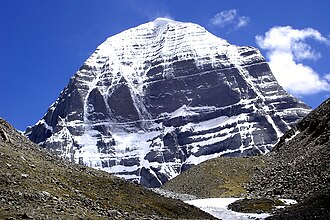
🏔️Mount Kailash
Sacred to four religions, considered the center of the universe.
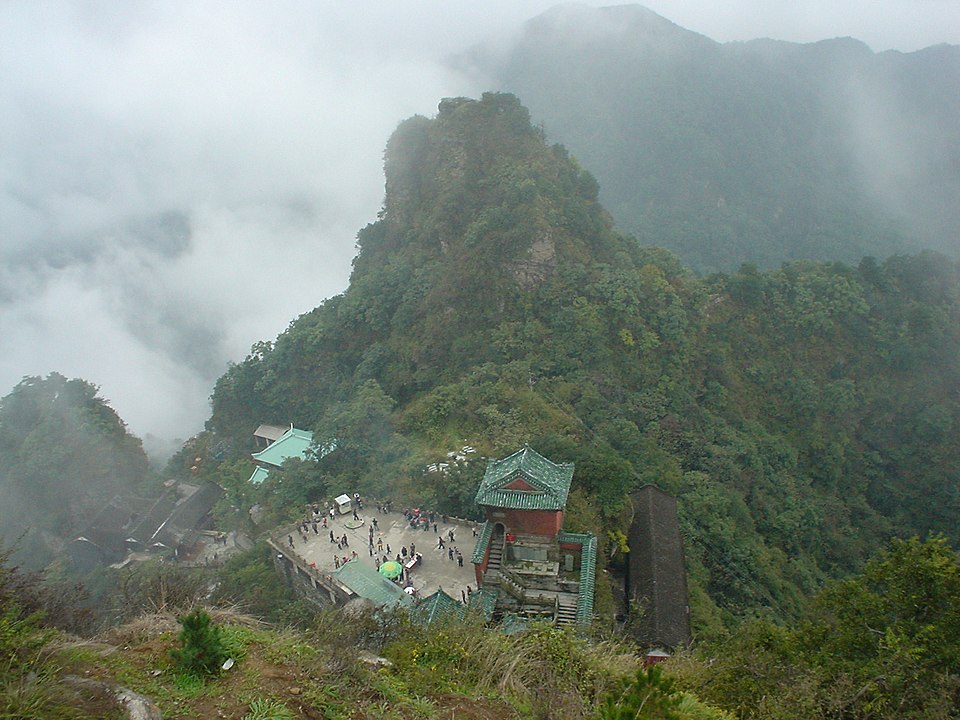
☯️Wudang Mountains
The birthplace of Tai Chi and one of Taoism's most sacred mountain ranges.
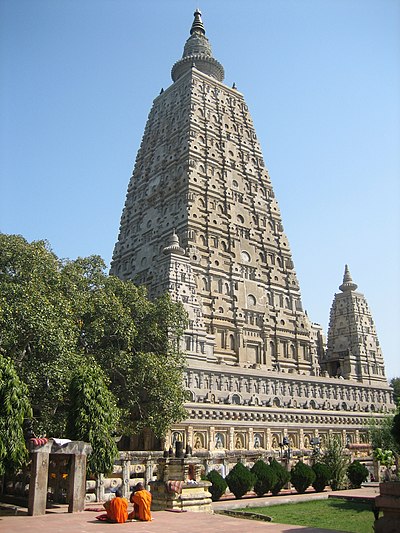
☸️Bodh Gaya (Mahabodhi Temple)
Where Siddhartha Gautama attained enlightenment and became the Buddha.
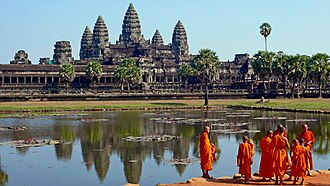
🛕Angkor Wat
The largest religious monument in the world, originally Hindu then Buddhist.
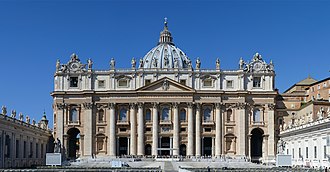
⛪Vatican City (St. Peter's Basilica)
The spiritual center of Roman Catholicism and home of the Pope.
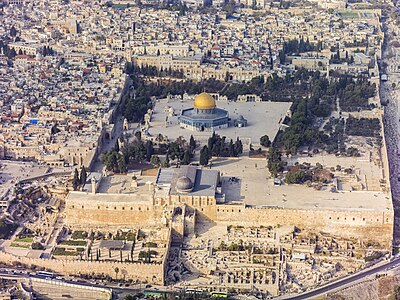
🕌Temple Mount / Al-Aqsa (Jerusalem)
Sacred to Judaism, Christianity, and Islam — the most contested holy site on Earth.

