🏔️ Mount Kailash
China
About This Sacred Site
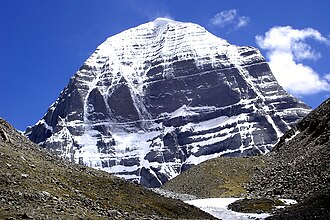
Mount Kailash, rising 6,638 meters in western Tibet, is a strikingly symmetrical peak considered sacred by Hindus, Buddhists, Jains, and followers of the indigenous Bon religion. Hindus honor it as the abode of Lord Shiva, while Buddhists associate it with the tantric deity Demchok. Jains revere it as the site where their first Tirthankara attained liberation. The mountain itself remains unclimbed due to its spiritual sanctity. Pilgrims undertake a rigorous 52-kilometer circumambulation known as the kora, which takes one to three days to complete at altitudes exceeding 5,600 meters. Its grounds carry the accumulated prayer of generations, making it not merely a historical monument but an active spiritual sanctuary.
History & Origins
Mount Kailash’s sacred status dates back millennia, embedded deeply in the religious texts and traditions of multiple faiths. In Hinduism, it is identified as the cosmic axis and Shiva’s eternal residence, referenced in the ancient Vedas and Puranas. Tibetan Buddhism integrates Kailash into its cosmology, depicting it as the center of the universe. The Bon religion, predating Buddhism in Tibet, also venerates the peak as a spiritual center. Historically, the region remained relatively isolated, preserving the mountain’s spiritual aura. The pilgrimage tradition, involving the circumambulation or kora, has been practiced for centuries despite the mountain’s remote location and harsh climate. Although Western explorers attempted to climb it in the 20th century, spiritual prohibitions have prevented any successful ascents. Today, Kailash remains a powerful symbol of holiness and interfaith reverence, attracting pilgrims who seek blessings and spiritual renewal.
Spiritual Significance
Mount Kailash is revered as the cosmic axis (axis mundi) in Hinduism, Buddhism, Jainism, and Bön, symbolizing the abode of Lord Shiva according to the Shiva Purana and the Tibetan Buddhist Kangyur scriptures. Pilgrims perform a kora, a 52 km circumambulation around the mountain, which takes between one to three days, believed to purify sins and bring spiritual merit. The mountain's summit remains unclimbed due to sacred prohibitions rooted in the Bön tradition, which regards it as the seat of spiritual powers. Annual pilgrimages peak during the Saga Dawa festival in Tibetan Buddhism, commemorating Buddha's birth, enlightenment, and parinirvana. Jain texts identify it as Mount Ashtapada, where the first Tirthankara, Rishabhadeva, attained liberation. The mountain's four faces correspond to cardinal directions and deities in each faith, such as Shiva in Hinduism and Demchok in Tibetan Buddhism.
Key Facts
- •Sacred to four religions: Hinduism, Buddhism, Jainism, and Bön
- •No one has ever been permitted to climb to the summit
- •A single circumambulation (kora) is 52 km and takes 1-3 days
- •Hindus believe 108 circumambulations guarantee enlightenment
- •Lake Manasarovar nearby is one of the highest freshwater lakes in the world
Location
Coordinates: 31.0672, 81.3125
Frequently Asked Questions
What religion is Mount Kailash associated with?▾
Mount Kailash is a Multi-faith holy site located in China. It was established Ancient and is ranked #18 in our global directory of sacred sites.
When was Mount Kailash established?▾
Mount Kailash dates back to Ancient. Sacred to four religions: Hinduism, Buddhism, Jainism, and Bön
How many people visit Mount Kailash each year?▾
Mount Kailash receives approximately 100,000 visitors per year. No one has ever been permitted to climb to the summit
What is Mount Kailash known for?▾
Sacred to four religions, considered the center of the universe. Visitors come seeking purification, spiritual enlightenment, salvation, pilgrimage. A single circumambulation (kora) is 52 km and takes 1-3 days
Related Holy Sites
Sacred places connected by country, religion, and purpose
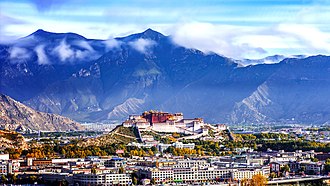
🏯Potala Palace
Former winter residence of the Dalai Lama, towering over Lhasa.
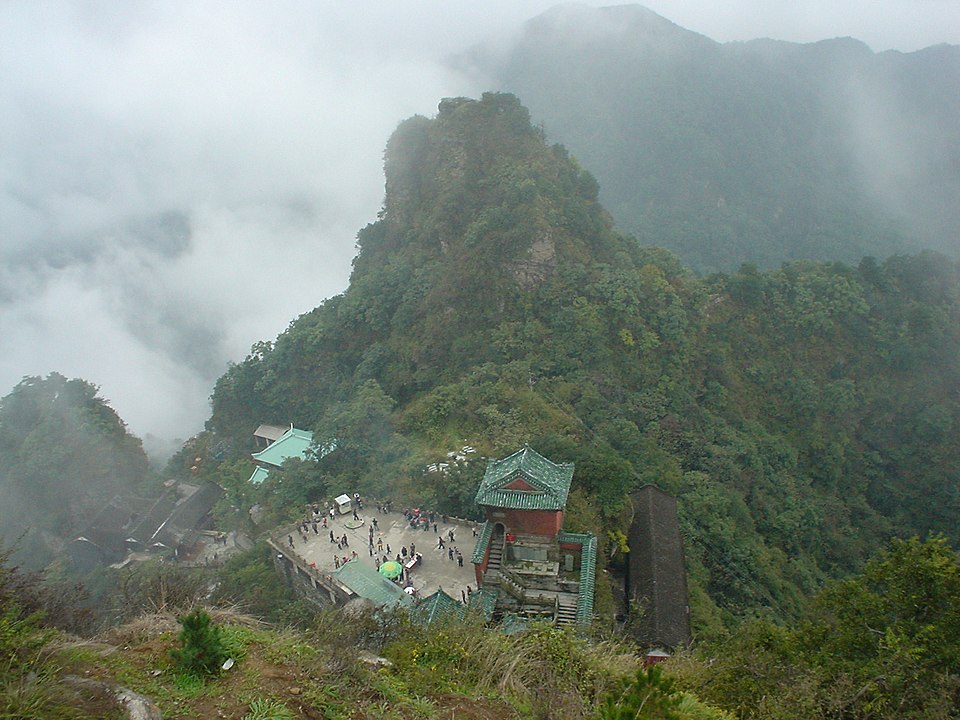
☯️Wudang Mountains
The birthplace of Tai Chi and one of Taoism's most sacred mountain ranges.

🕌Temple Mount / Al-Aqsa (Jerusalem)
Sacred to Judaism, Christianity, and Islam — the most contested holy site on Earth.
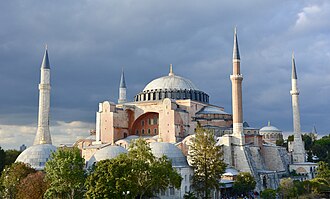
🏛️Hagia Sophia
A masterpiece that served as cathedral, mosque, and museum across centuries.