☯️ Wudang Mountains
China
About This Sacred Site
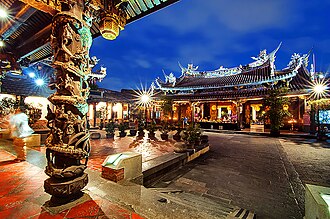
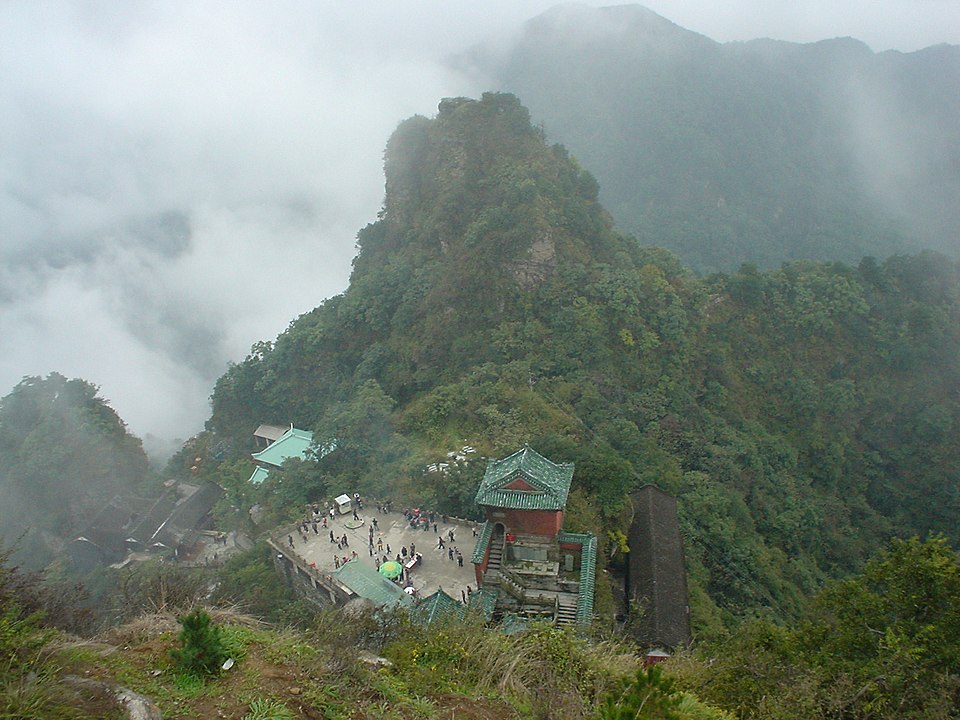
The Wudang Mountains, located in Hubei Province, China, encompass 72 peaks and 36 cliffs spanning approximately 450 square kilometers. The complex of Taoist temples and monasteries dates back to the Tang dynasty, with significant construction during the Ming dynasty in the 14th century. The Golden Hall, cast in Beijing and assembled on site, exemplifies Ming architectural techniques using bronze and wood. The site includes the Purple Cloud Temple and the Nanyang Palace, featuring elaborate wooden carvings, tiled roofs, and intricate murals. The mountains’ rugged terrain and dense forests provide a natural setting for Taoist meditation and martial arts practice. The UNESCO World Heritage designation in 1994 recognized both the cultural and natural significance of the site.
History & Origins
The Wudang Mountains’ religious significance began during the Tang dynasty (7th century CE) when Taoist monks established temples to honor the Taoist immortals, with major construction flourishing under the Ming dynasty. Emperor Yongle (early 15th century) ordered extensive building projects, including the famous Purple Cloud Palace. Over centuries, the site became a key center for Taoist ritual, martial arts, and alchemy. Despite periods of decline, the mountains retained their sacred status through imperial patronage. In recent decades, Wudang has been recognized as a UNESCO World Heritage Site, reflecting its historical, cultural, and spiritual importance as a Taoist pilgrimage destination and hub of traditional Chinese martial arts.
Spiritual Significance
Regarded as the legendary birthplace of Tai Chi, the mountains are central to Taoist internal alchemy and martial arts traditions. Pilgrims engage in rituals such as incense offerings at the Purple Cloud Temple and participate in Taoist liturgies involving the chanting of scriptures like the Tao Te Ching and Zhuangzi. Annual festivals, including the Wudang Mountain Tai Chi Festival, celebrate the harmonization of body and spirit through martial arts practice. Taoist masters have historically resided here, preserving teachings on qi cultivation, meditation, and longevity. The site embodies the Taoist pursuit of harmony with the Tao, reflected in the natural environment and architectural symbolism, such as the arrangement of temples aligned with feng shui principles. Pilgrims often undertake arduous mountain ascents as acts of devotion and spiritual purification.
Key Facts
- •Legendary birthplace of Tai Chi martial arts
- •UNESCO World Heritage Site since 1994
- •Contains 72 peaks and 36 cliffs
- •The Golden Hall was cast in Beijing and assembled at the summit in 1416
- •Home to the Wudang school of martial arts, one of China's most revered
Location
Coordinates: 32.4002, 111.0042
Frequently Asked Questions
What religion is Wudang Mountains associated with?▾
Wudang Mountains is a Taoism holy site located in China. It was established c. 7th century CE (temples) and is ranked #49 in our global directory of sacred sites.
When was Wudang Mountains established?▾
Wudang Mountains dates back to c. 7th century CE (temples). Legendary birthplace of Tai Chi martial arts
How many people visit Wudang Mountains each year?▾
Wudang Mountains receives approximately 8+ million visitors per year. UNESCO World Heritage Site since 1994
What is Wudang Mountains known for?▾
The birthplace of Tai Chi and one of Taoism's most sacred mountain ranges. Visitors come seeking healing, meditation, peace, spiritual enlightenment. Contains 72 peaks and 36 cliffs
Related Holy Sites
Sacred places connected by country, religion, and purpose
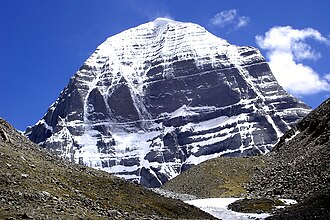
🏔️Mount Kailash
Sacred to four religions, considered the center of the universe.
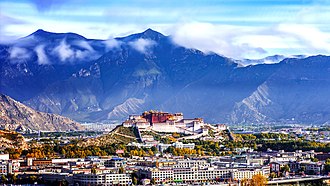
🏯Potala Palace
Former winter residence of the Dalai Lama, towering over Lhasa.