🏯 Wenwu Temple (Sun Moon Lake)
Taiwan
About This Sacred Site
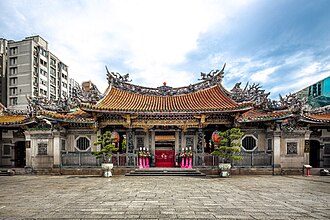
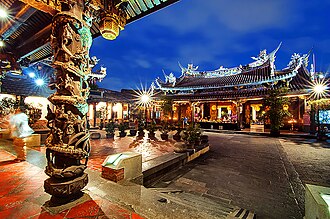
The Wenwu Temple (Temple of Literature and Martial Arts) on the northern shore of Sun Moon Lake in central Taiwan is one of the island's most scenic and spiritually significant temples. The temple is dedicated to both Confucius (representing literature) and Guan Di (the god of war and righteousness), hence its name combining 'wen' (literature) and 'wu' (martial). Built in 1938 and rebuilt in 1969 after the original was submerged by a dam project, the temple offers stunning views over Sun Moon Lake and is a major pilgrimage site.
History & Origins
The original Wenwu Temple, constructed in 1938, was dedicated to Confucius and Guan Di, reflecting the dual influence of Confucianism and Taoism in Taiwanese religious culture. This original structure was submerged following the construction of the Sun Moon Lake dam project in the 1950s, which significantly altered the local landscape. In response, the temple was rebuilt in 1969 on the northern shore of Sun Moon Lake, incorporating traditional Chinese architectural elements such as upturned eaves and intricate woodwork. The reconstruction was overseen by local religious leaders aiming to preserve the temple's cultural heritage while adapting to the new environment. The temple's location on the lake's shore offers a scenic backdrop that enhances its spiritual ambiance and accessibility for pilgrims. Subsequent renovations have maintained the temple's structural integrity and artistic detail, making it a prominent landmark in the region.
Spiritual Significance
The temple venerates both Confucius, embodying wisdom and education, and Guan Di, the god of war and righteousness, serving as a unique site of dual worship that attracts scholars and devotees seeking protection and moral guidance. Annual ceremonies on Confucius' birthday include ritual offerings and traditional music performances honoring scholarly pursuits. Guan Di's birthday celebrations involve martial arts demonstrations and incense offerings to invoke courage and justice. Rituals involve the reading of the Analects to promote Confucian virtues, alongside Taoist prayers for protection and harmony. Pilgrims often circle the temple courtyards three times, a practice symbolizing respect and purification. The temple serves as a cultural hub that integrates Taoist and Confucian doctrines, reflecting Taiwan's religious pluralism and the spiritual importance of Sun Moon Lake.
Key Facts
- •Dedicated to both Confucius and Guan Di (god of war and righteousness)
- •The original temple was submerged by a dam project and rebuilt in 1969
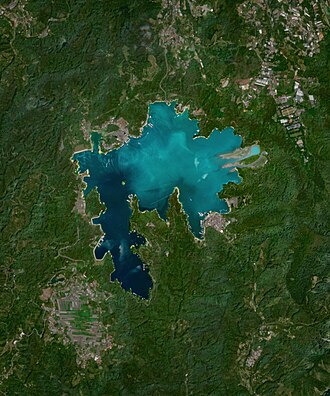
- •Located on the shore of Sun Moon Lake, one of Taiwan's most scenic spots
- •The two stone lions at the entrance are claimed to be the largest in Asia
- •A popular site for students to pray for success in examinations
Location
Coordinates: 23.8667, 120.9333
Frequently Asked Questions
What religion is Wenwu Temple (Sun Moon Lake) associated with?▾
Wenwu Temple (Sun Moon Lake) is a Taoism holy site located in Taiwan. It was established 1938 (original), 1969 (rebuilt) and is ranked #470 in our global directory of sacred sites.
When was Wenwu Temple (Sun Moon Lake) established?▾
Wenwu Temple (Sun Moon Lake) dates back to 1938 (original), 1969 (rebuilt). Dedicated to both Confucius and Guan Di (god of war and righteousness)
How many people visit Wenwu Temple (Sun Moon Lake) each year?▾
Wenwu Temple (Sun Moon Lake) receives approximately 2+ million visitors per year. The original temple was submerged by a dam project and rebuilt in 1969
What is Wenwu Temple (Sun Moon Lake) known for?▾
A grand Taoist temple on the shores of Sun Moon Lake, dedicated to Confucius and the god of war. Visitors come seeking prosperity, guidance, protection, blessings. Located on the shore of Sun Moon Lake, one of Taiwan's most scenic spots
Related Holy Sites
Sacred places connected by country, religion, and purpose