🌿 Mlilwane Sacred Sites
Eswatini
About This Sacred Site
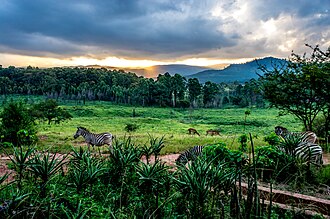
Mlilwane Wildlife Sanctuary, Eswatini's oldest protected area, encompasses several sites of traditional spiritual significance. The sanctuary's name derives from the small fires ('mlilwane') that appeared when lightning struck the area, a phenomenon attributed to spiritual forces. The Ezulwini Valley in which it sits is known as the 'Valley of Heaven,' and the hills and water sources within the sanctuary have long been used for traditional healing and purification ceremonies. The conservation of this landscape has preserved not only wildlife but also the sacred geography that underpins Swazi spiritual traditions.
History & Origins
Established in the 1960s, Mlilwane is Eswatini's oldest protected area, originally set aside under King Sobhuza II's reign to conserve indigenous flora and fauna. The site's name, referencing small lightning fires, reflects historical observations of natural phenomena interpreted as spiritual signs. Situated in the Ezulwini Valley, Mlilwane's protected status was part of early conservation efforts intersecting with indigenous beliefs, maintaining the area's integrity against colonial and commercial pressures. Over the decades, the reserve underwent several ecological restorations, including reintroducing native species like impala and zebras, enhancing its role as a living cultural landscape. Mlilwane was also a site of traditional hunting practices, later transformed into a sanctuary respecting indigenous spiritual customs. Its management today honors these origins by facilitating cultural tours led by local Swazi guides who share stories of the site's historical and spiritual importance.
Spiritual Significance
Mlilwane's name, meaning 'small lightning fires,' originates from indigenous beliefs attributing these luminous phenomena to spiritual forces communicating with the living. Annual rituals involve offerings near natural springs within the reserve, believed to be portals to ancestral realms. Pilgrims and visitors often participate in guided walks to sacred trees where elders perform prayers for rain and fertility, aligning with traditional Swazi agricultural cycles. The site's connection to King Sobhuza II strengthens its theological importance, as he endorsed the conservation of Mlilwane to preserve spiritual heritage. Local cosmology holds that Mlilwane serves as a mediator between the visible world and ancestral spirits, with the lightning fire symbolism reinforcing themes of divine intervention. Indigenous healers frequently gather medicinal plants here, integrating physical healing with spiritual practices, thus maintaining Mlilwane's role as a center for holistic well-being.
Key Facts
- •Eswatini's oldest protected area, established in the 1960s
- •The name refers to small lightning fires attributed to spiritual forces
- •Located in the Ezulwini ('Valley of Heaven') Valley
- •Hills and springs within the sanctuary are used for healing ceremonies
- •Conservation has preserved both wildlife and sacred geography
Location
Coordinates: -26.4833, 31.1833
Frequently Asked Questions
What religion is Mlilwane Sacred Sites associated with?▾
Mlilwane Sacred Sites is a Indigenous holy site located in Eswatini. It was established Ancient and is ranked #884 in our global directory of sacred sites.
When was Mlilwane Sacred Sites established?▾
Mlilwane Sacred Sites dates back to Ancient. Eswatini's oldest protected area, established in the 1960s
How many people visit Mlilwane Sacred Sites each year?▾
Mlilwane Sacred Sites receives approximately 30,000 visitors per year. The name refers to small lightning fires attributed to spiritual forces
What is Mlilwane Sacred Sites known for?▾
Sacred natural sites within Eswatini's oldest protected area. Visitors come seeking healing, purification, ancestral connection. Located in the Ezulwini ('Valley of Heaven') Valley
Related Holy Sites
Sacred places connected by country, religion, and purpose
👑Lobamba Royal Kraal
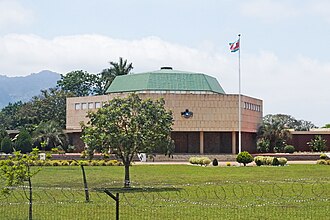
The traditional and spiritual capital of the Swazi monarchy.
🪨Sibebe Rock
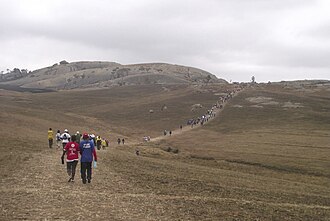
The world's second-largest monolith, sacred to the Swazi people.
🪨Uluru (Ayers Rock)
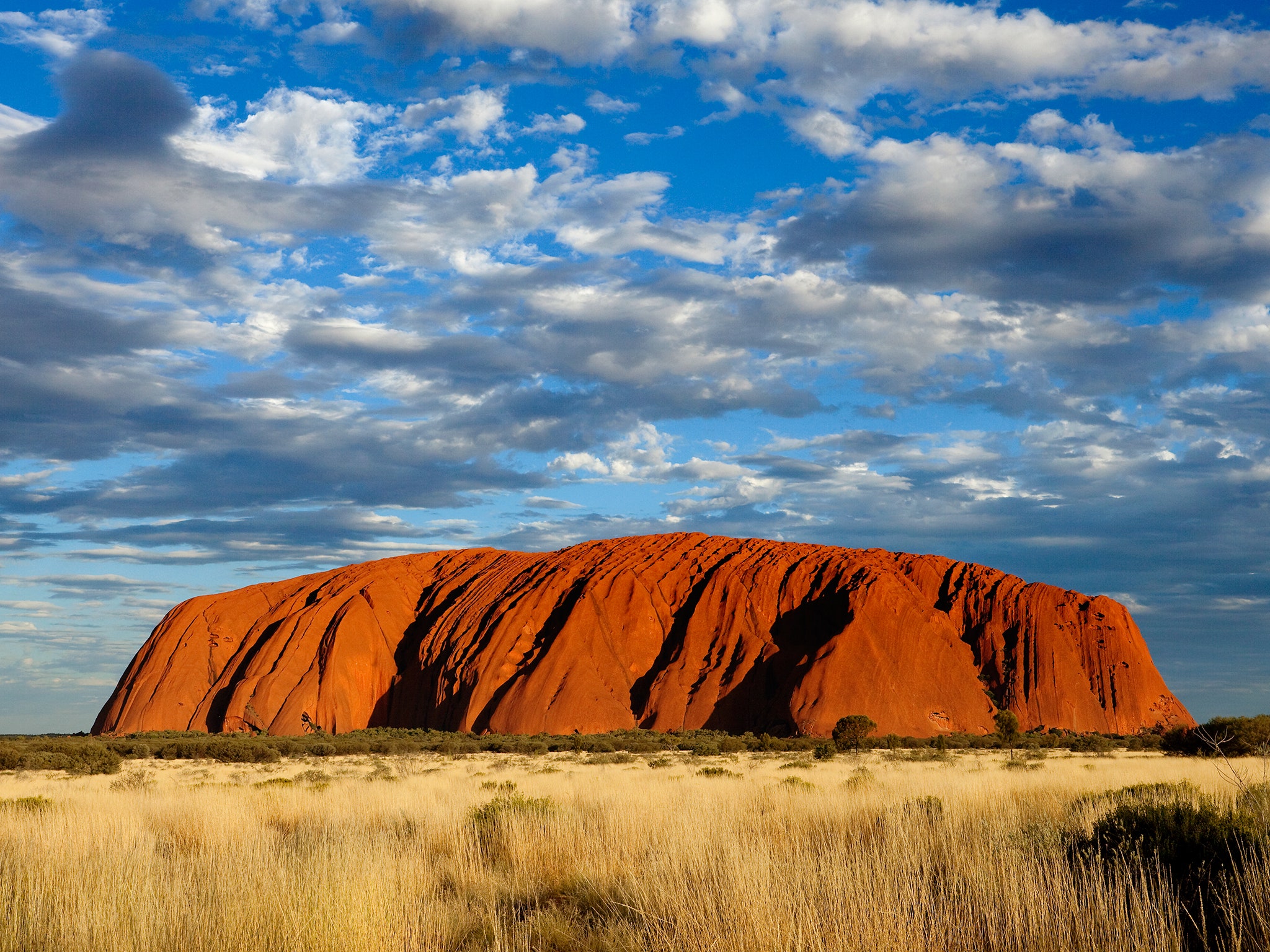
A sacred monolith central to Aboriginal Australian creation stories.
🏔️Machu Picchu
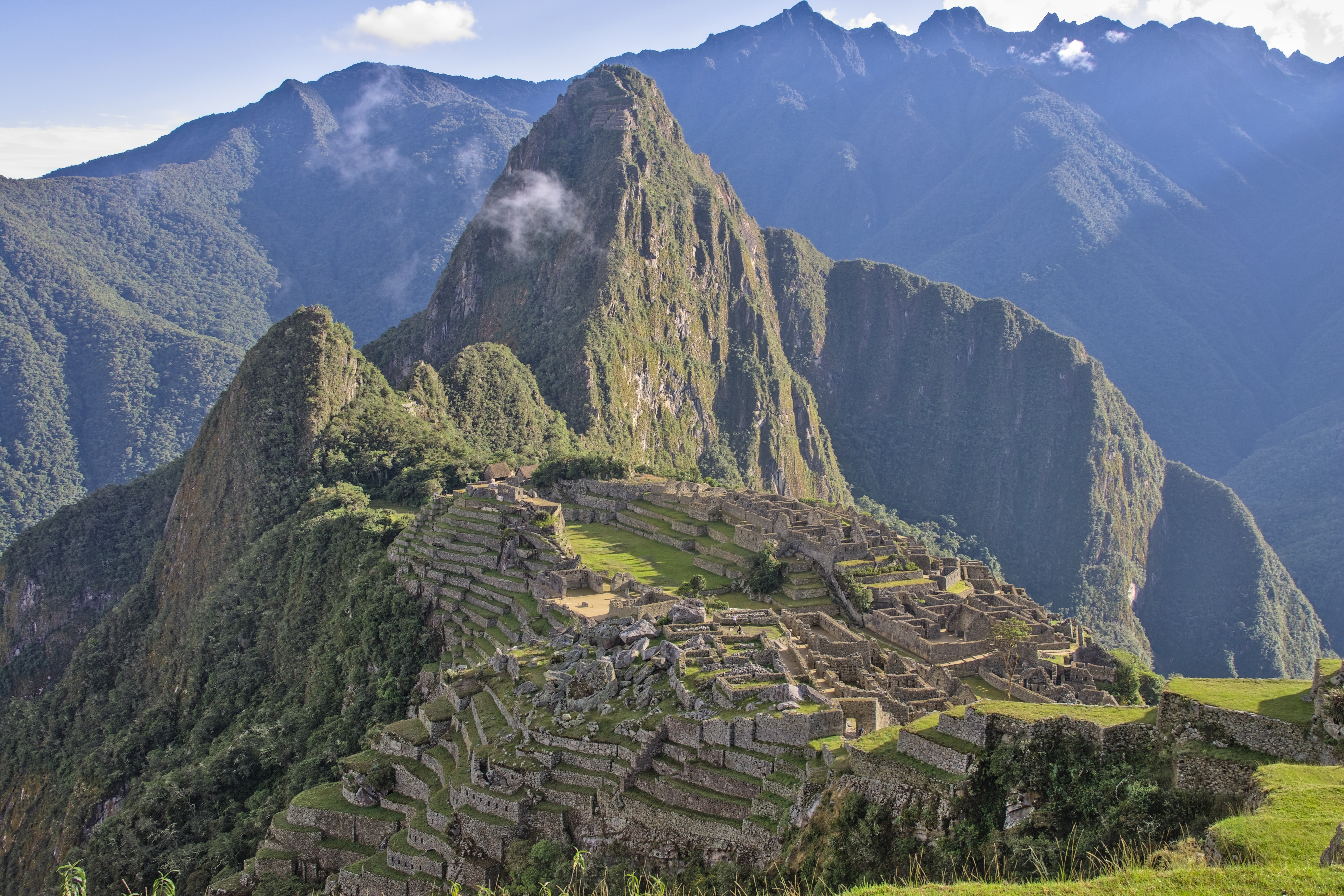
A sacred Inca citadel set high in the Andes, aligned with astronomical events.