
🪨 Sibebe Rock
Eswatini
About This Sacred Site
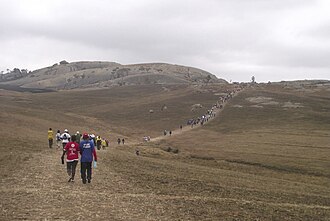
Sibebe Rock, located near Mbabane, is the world's second-largest exposed granite pluton after Australia's Mount Augustus. Rising over 350 meters above the surrounding landscape, this massive dome of bare rock holds deep spiritual significance for the Swazi people. Traditional beliefs associate Sibebe with ancestral spirits, and the rock is considered a place of great spiritual power. Certain areas of the rock are regarded as sacred and are used for traditional ceremonies. The imposing presence of the granite monolith, with its smooth face reflecting the changing light, creates a naturally awe-inspiring environment.
History & Origins
Sibebe Rock, near Mbabane in Eswatini, is estimated to be over 3 billion years old, making it one of the oldest geological formations on Earth. This massive granite pluton rises approximately 350 meters above the surrounding landscape and has long been sacred to the Swazi people. Traditionally, Sibebe was a site for spiritual retreats and ceremonies, believed to be inhabited by ancestral spirits. During the colonial era, the rock gained recognition for its unique geology, but local communities continued to hold it in spiritual reverence. Today, annual Sibebe Survivor hikes attract visitors worldwide, blending cultural heritage with eco-tourism, while indigenous spiritual practices continue to honor the site’s sacred status.
Spiritual Significance
Rising over 350 meters above the terrain near Mbabane, Sibebe Rock holds profound spiritual importance for the Swazi people, who revere it as a sacred site linked to ancestral spirits. Pilgrims traditionally ascend Sibebe during the annual Sibebe Survivor hike, a ritual that symbolizes endurance and connection to the land's primordial forces. The rock's status as the second-largest monolith globally after Mount Augustus underscores its awe-inspiring presence, believed to be a dwelling place for the spirits of the ancestors, according to local oral traditions. Swazi spiritual leaders conduct libation ceremonies at the base, invoking protection and blessings from the ancestors. The monolith's granite composition is considered a manifestation of eternal strength, reflecting themes found in Swazi cosmology where natural features embody spiritual power. Although no formal scriptures exist, the site's significance is transmitted through generations by traditional elders who link the rock to creation myths and the continuity of the Swazi nation.
Key Facts
- •Second-largest monolith in the world after Mount Augustus
- •Rises over 350 meters above the surrounding terrain
- •Located approximately 10 km from Mbabane, the capital
- •Sacred to the Swazi people as a place of spiritual power
- •The granite face changes color with the light throughout the day
Location
Coordinates: -26.2833, 31.1667
Frequently Asked Questions
What religion is Sibebe Rock associated with?▾
Sibebe Rock is a Indigenous holy site located in Eswatini. It was established Ancient and is ranked #923 in our global directory of sacred sites.
When was Sibebe Rock established?▾
Sibebe Rock dates back to Ancient. Second-largest monolith in the world after Mount Augustus
How many people visit Sibebe Rock each year?▾
Sibebe Rock receives approximately 15,000 visitors per year. Rises over 350 meters above the surrounding terrain
What is Sibebe Rock known for?▾
The world's second-largest monolith, sacred to the Swazi people. Visitors come seeking spiritual enlightenment, protection, meditation. Located approximately 10 km from Mbabane, the capital
Related Holy Sites
Sacred places connected by country, religion, and purpose
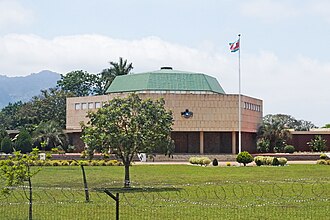
👑Lobamba Royal Kraal
The traditional and spiritual capital of the Swazi monarchy.
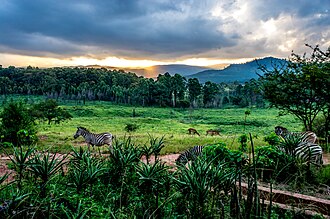
🌿Mlilwane Sacred Sites
Sacred natural sites within Eswatini's oldest protected area.
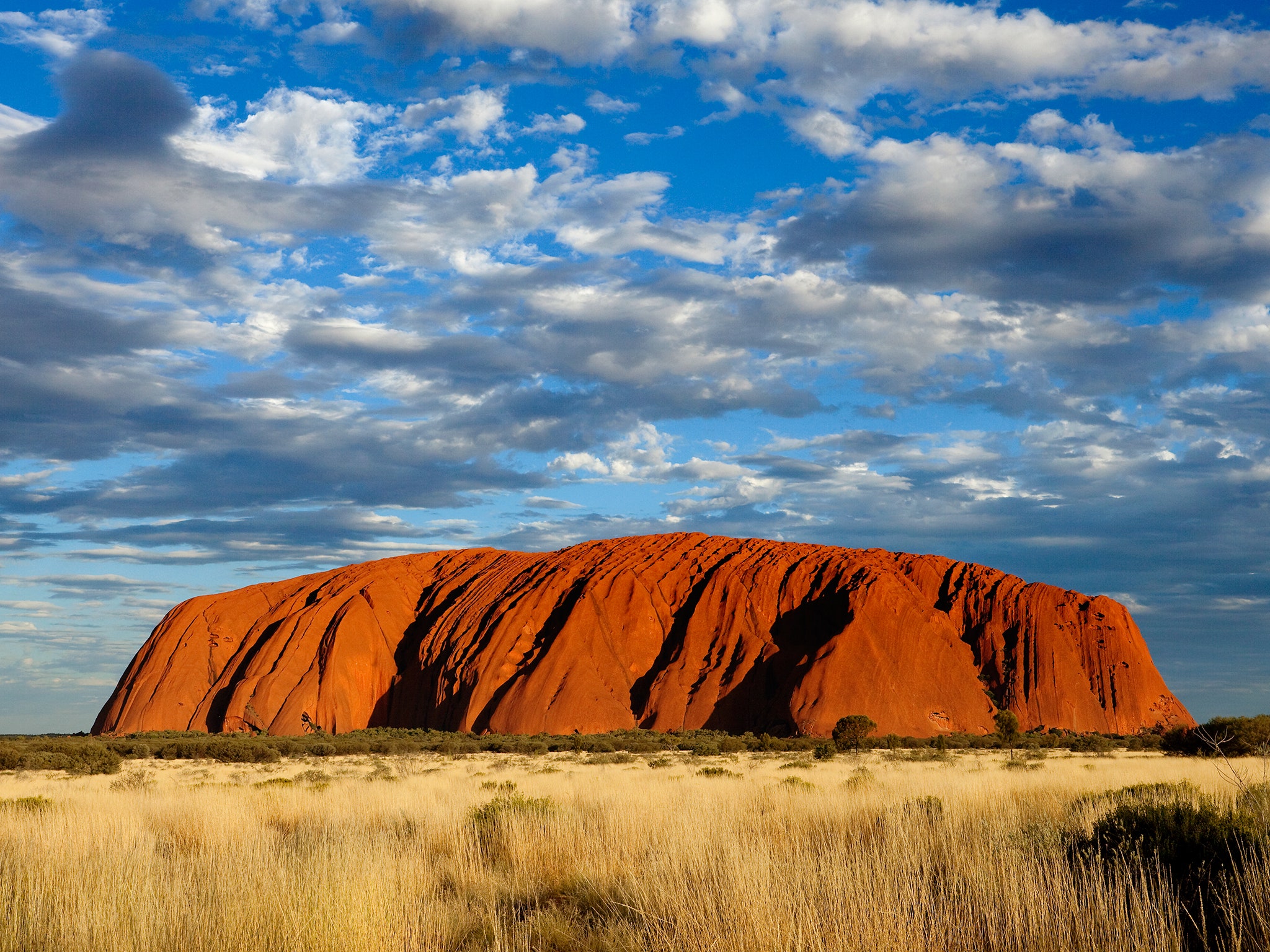
🪨Uluru (Ayers Rock)
A sacred monolith central to Aboriginal Australian creation stories.
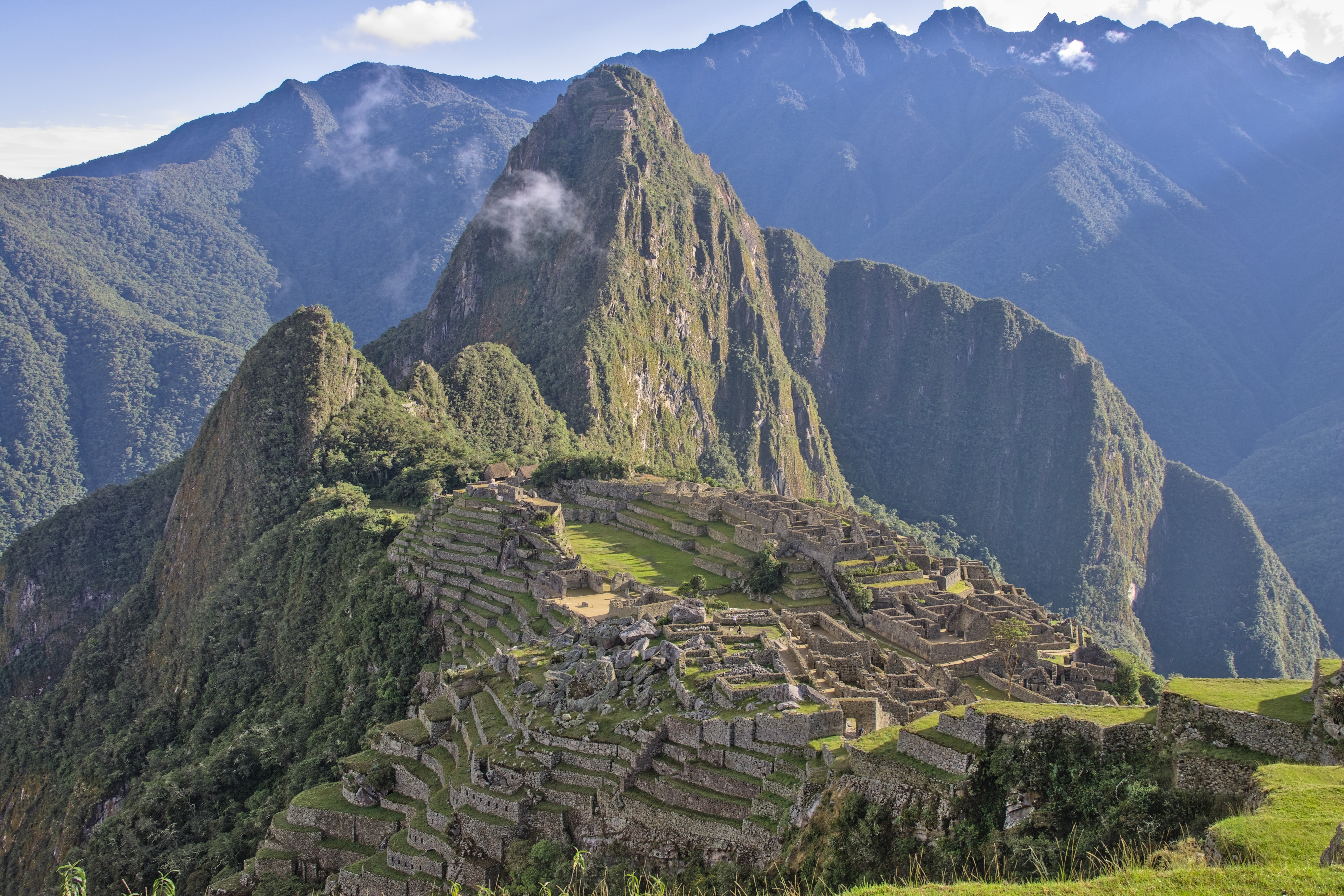
🏔️Machu Picchu
A sacred Inca citadel set high in the Andes, aligned with astronomical events.
🕌Temple Mount / Al-Aqsa (Jerusalem)
Sacred to Judaism, Christianity, and Islam — the most contested holy site on Earth.
🙏Varanasi (Kashi Vishwanath Temple)
The holiest city in Hinduism, where the Ganges River purifies the soul.

