
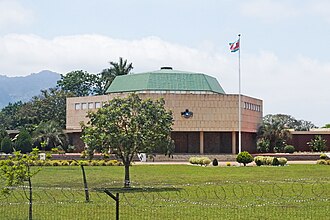
👑 Lobamba Royal Kraal
Eswatini
About This Sacred Site
Lobamba is the traditional, spiritual, and legislative capital of Eswatini, home to the Royal Kraal where the most important Swazi ceremonies take place. The annual Umhlanga (Reed Dance) and Incwala (Kingship Ceremony) are held here, both deeply spiritual events that reinforce the connection between the king, the nation, and the ancestral spirits. The Incwala ceremony, in particular, is considered the most sacred event in the Swazi calendar, involving ritual purification and the spiritual renewal of the king's power. The Royal Kraal is the spiritual heart of the Swazi nation.
History & Origins
Established in the 18th century, the Lobamba Royal Kraal in Eswatini serves as the spiritual and legislative heart of the Swazi nation. It is the residence of the King and Queen Mother and the site of paramount cultural ceremonies such as Incwala and Umhlanga (Reed Dance). Historically, the kraal was founded as a fortified royal settlement to consolidate Swazi power and tradition. Over centuries, it evolved into a symbol of national unity and cultural preservation. The site has undergone renovations to maintain traditional architecture while accommodating growing ceremonial needs. Lobamba remains central to Swazi governance and spiritual life, embodying the continuity of monarchical traditions and indigenous governance systems.
Spiritual Significance
Serving as Eswatini's traditional and legislative capital, Lobamba Royal Kraal is the ceremonial heart of Swazi spirituality, hosting the annual Umhlanga (Reed Dance) and Incwala (Kingship) ceremonies. The Umhlanga gathers thousands of maidens to present reeds to Queen Mother Ntombi Tfwala, symbolizing purity and loyalty, reinforcing the social and spiritual fabric of the nation. The Incwala, conducted in December or January, is the most sacred ritual, celebrating the king's role as the spiritual and political leader, with prayers invoking the protective power of the ancestors and the land. Rituals include the cutting of sacred grasses and the king's symbolic consumption of the first fruits, reinforcing his covenant with the people and the divine. Lobamba's layout, featuring the royal residence and the sacred hill, reflects cosmological principles emphasizing the king's centrality. Swazi traditional leaders and priests officiate these events, ensuring continuity of spiritual authority rooted in 18th-century foundations.
Key Facts
- •Traditional and legislative capital of Eswatini
- •Site of the annual Umhlanga (Reed Dance) ceremony
- •The Incwala (Kingship Ceremony) is the most sacred Swazi ritual
- •The Royal Kraal is the spiritual center of the Swazi nation
- •The Queen Mother's residence is also located in Lobamba
Location
Coordinates: -26.4500, 31.2000
Frequently Asked Questions
What religion is Lobamba Royal Kraal associated with?▾
Lobamba Royal Kraal is a Indigenous holy site located in Eswatini. It was established c. 18th century and is ranked #510 in our global directory of sacred sites.
When was Lobamba Royal Kraal established?▾
Lobamba Royal Kraal dates back to c. 18th century. Traditional and legislative capital of Eswatini
How many people visit Lobamba Royal Kraal each year?▾
Lobamba Royal Kraal receives approximately 100,000 visitors per year. Site of the annual Umhlanga (Reed Dance) ceremony
What is Lobamba Royal Kraal known for?▾
The traditional and spiritual capital of the Swazi monarchy. Visitors come seeking ancestral connection, protection, blessings. The Incwala (Kingship Ceremony) is the most sacred Swazi ritual
Related Holy Sites
Sacred places connected by country, religion, and purpose
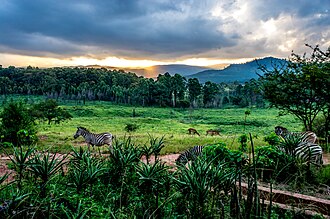
🌿Mlilwane Sacred Sites
Sacred natural sites within Eswatini's oldest protected area.
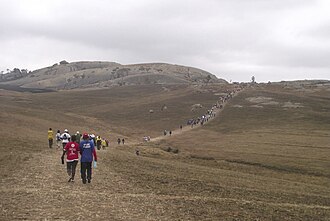
🪨Sibebe Rock
The world's second-largest monolith, sacred to the Swazi people.
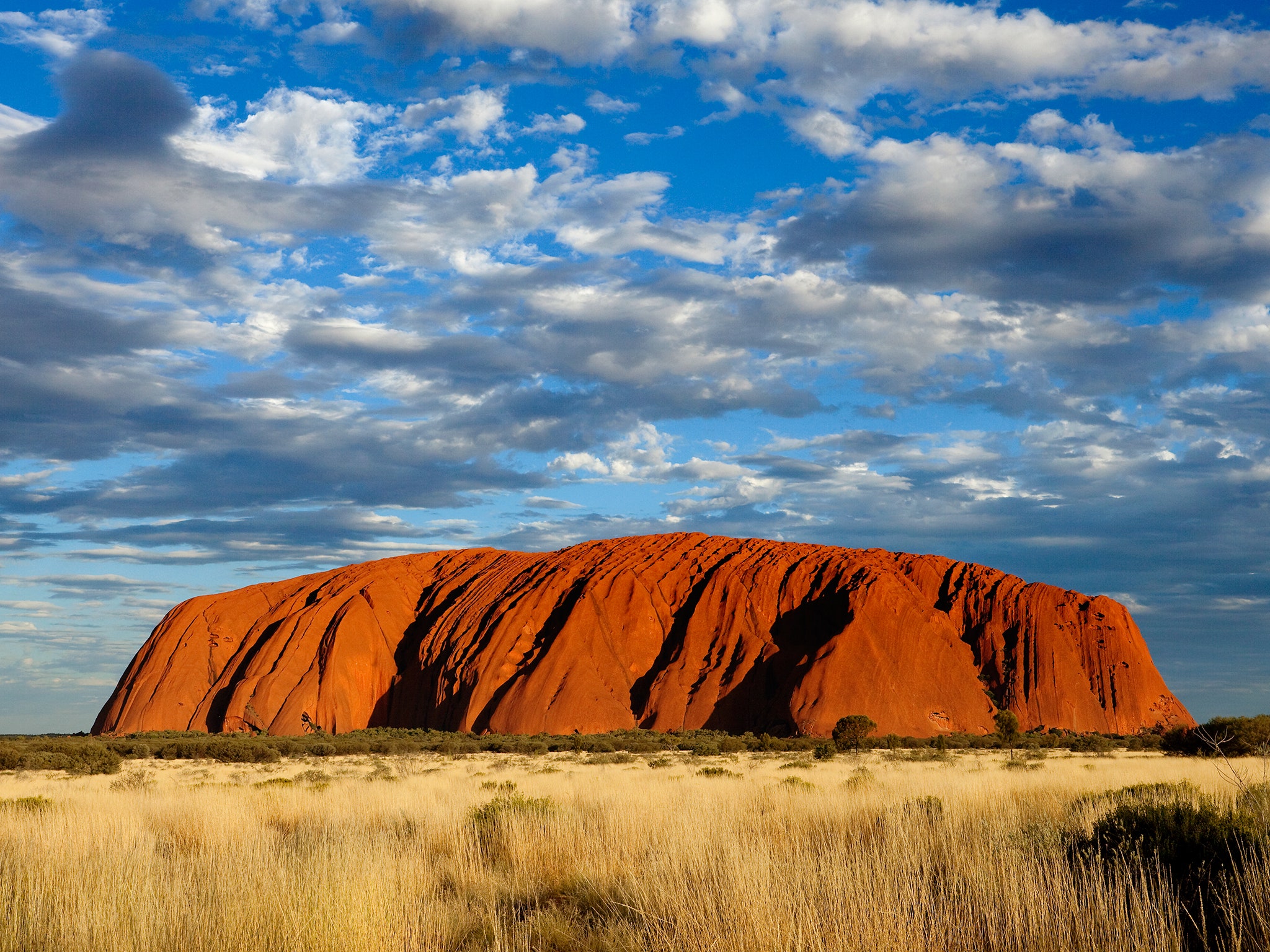
🪨Uluru (Ayers Rock)
A sacred monolith central to Aboriginal Australian creation stories.
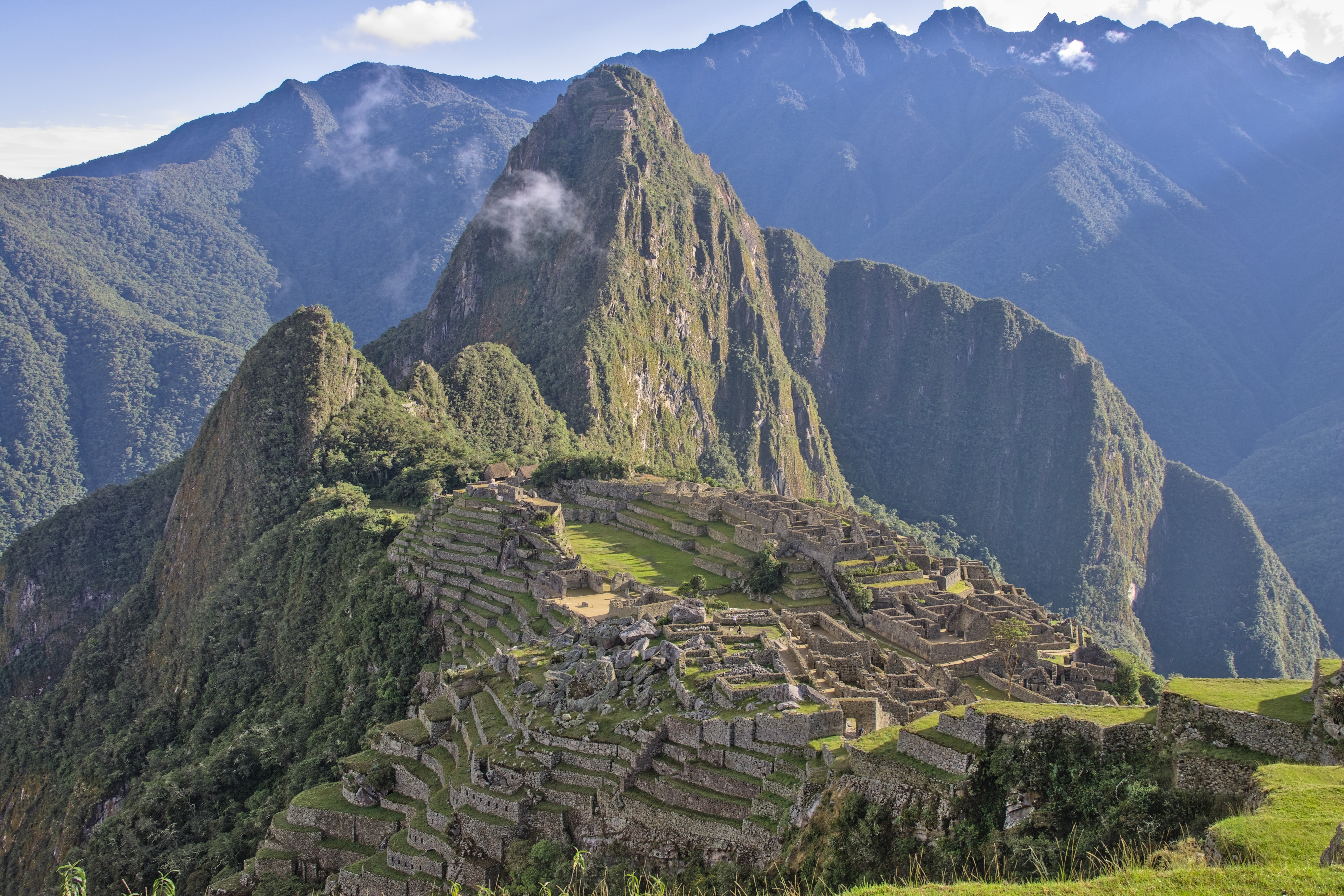
🏔️Machu Picchu
A sacred Inca citadel set high in the Andes, aligned with astronomical events.
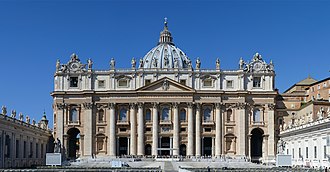
⛪Vatican City (St. Peter's Basilica)
The spiritual center of Roman Catholicism and home of the Pope.
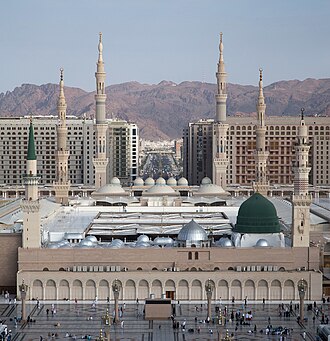
🕌Al-Masjid an-Nabawi (Prophet's Mosque)
The second holiest mosque in Islam, containing the tomb of Prophet Muhammad.

