🪷 Lumbini Maya Devi Temple
Nepal
About This Sacred Site
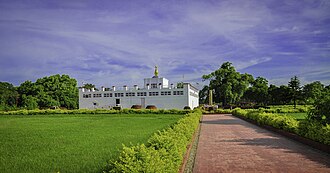
The Maya Devi Temple within the Lumbini sacred garden marks the exact spot where Queen Maya Devi gave birth to Prince Siddhartha Gautama, who would become the Buddha. The temple houses the Marker Stone, identified as the precise birth spot, and the Nativity Sculpture depicting the birth scene. Archaeological excavations have revealed brick structures dating to the 6th century BCE, making this one of the oldest known Buddhist shrines. The sacred garden also contains the Ashoka Pillar erected by Emperor Ashoka in 249 BCE and the Puskarini Pond where Maya Devi bathed before giving birth.
History & Origins
The Maya Devi Temple in Lumbini, Nepal, marks the birthplace of Siddhartha Gautama, the historical Buddha, around the 6th century BCE. Archaeological excavations have uncovered ancient ruins, including the original shrine and a sacred pond where Queen Maya Devi bathed before giving birth. The site was rediscovered in the late 19th century and has since been developed into a UNESCO World Heritage Site. It includes monasteries from various Buddhist traditions worldwide, reflecting its universal significance. The temple and surrounding gardens remain a focal point for pilgrims and scholars exploring Buddhist origins.
Spiritual Significance
The Lumbini Maya Devi Temple, marking the Buddha's exact birthplace identified by the Marker Stone, dates back to the 6th century BCE with archaeological evidence supporting continuous veneration. The Ashoka Pillar, erected in 249 BCE by Emperor Ashoka, confirms the site's historical sanctity within Buddhist traditions. Pilgrims perform circumambulation around the sacred Bodhi tree replica and offer lotus flowers during Vesak, celebrating the Buddha's birth. The temple complex contains ruins of ancient monasteries and stupas referenced in early Buddhist texts like the Pali Canon, which highlight Lumbini as a pilgrimage destination. Daily chanting of the Dhammacakkappavattana Sutta occurs within the temple precincts, fostering meditation practices aligned with Theravada Buddhism. The site's designation as a UNESCO World Heritage Site underscores its enduring theological importance across Buddhist sects worldwide.
Key Facts
- •Contains the Marker Stone identifying the exact birthplace of the Buddha
- •Archaeological evidence dates structures here to the 6th century BCE
- •The Ashoka Pillar, erected in 249 BCE, is the oldest known inscription identifying the site
- •The Puskarini Pond is where Queen Maya Devi bathed before giving birth
- •Distinguished from the broader Lumbini site by housing the precise birth location
Location
Coordinates: 27.4688, 83.2760
Frequently Asked Questions
What religion is Lumbini Maya Devi Temple associated with?▾
Lumbini Maya Devi Temple is a Buddhism holy site located in Nepal. It was established c. 6th century BCE and is ranked #184 in our global directory of sacred sites.
When was Lumbini Maya Devi Temple established?▾
Lumbini Maya Devi Temple dates back to c. 6th century BCE. Contains the Marker Stone identifying the exact birthplace of the Buddha
How many people visit Lumbini Maya Devi Temple each year?▾
Lumbini Maya Devi Temple receives approximately 1+ million visitors per year. Archaeological evidence dates structures here to the 6th century BCE
What is Lumbini Maya Devi Temple known for?▾
The exact spot where Queen Maya Devi gave birth to Siddhartha Gautama, marked by an ancient marker stone. Visitors come seeking peace, blessings, pilgrimage, spiritual enlightenment. The Ashoka Pillar, erected in 249 BCE, is the oldest known inscription identifying the site
Related Holy Sites
Sacred places connected by country, religion, and purpose
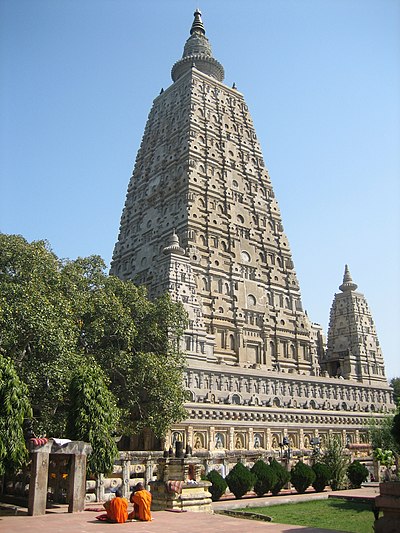
☸️Bodh Gaya (Mahabodhi Temple)
Where Siddhartha Gautama attained enlightenment and became the Buddha.
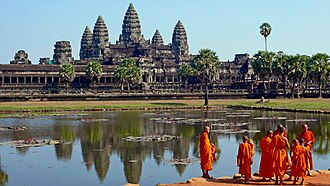
🛕Angkor Wat
The largest religious monument in the world, originally Hindu then Buddhist.