
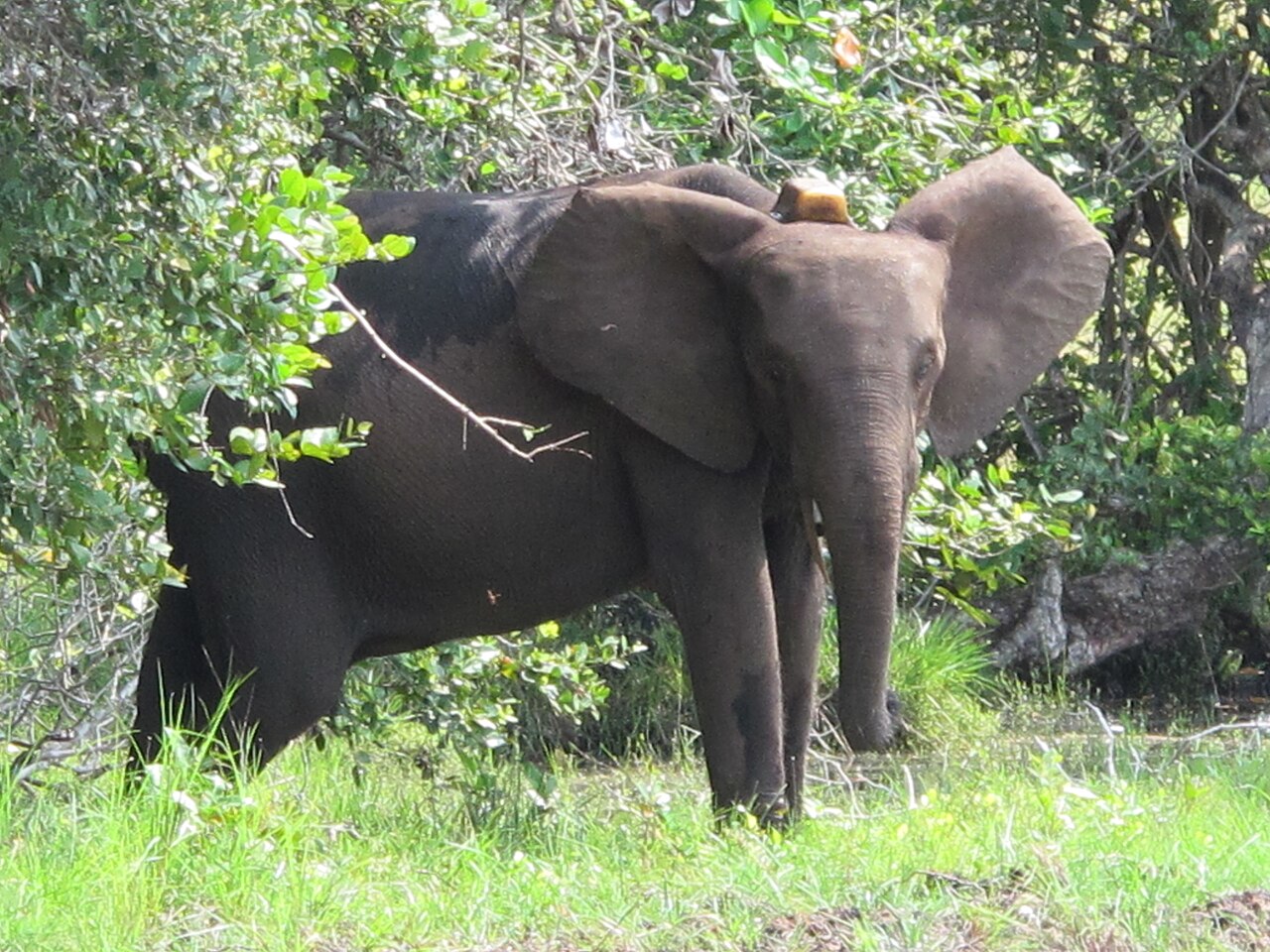
🌊 Loango Sacred Sites
Republic of the Congo
About This Sacred Site
The Loango coast preserves sacred sites of the once-powerful Kingdom of Loango, which flourished from the 15th to 19th century along the Atlantic coast of present-day Congo. The kingdom's spiritual traditions centered on nature worship, ancestor veneration, and the powerful role of spiritual leaders called nganga. Sacred groves, burial sites of kings, and ceremonial grounds dot the coastal landscape. The region's lagoons, forests, and beaches were integral to Loango cosmology, with certain locations believed to be portals between the physical and spiritual worlds.
History & Origins
The Kingdom of Loango, flourishing from the 15th to 19th century along the Republic of the Congo's coast, established the sacred sites that include royal burial grounds and sacred groves. These sites were integral to the political and spiritual authority of Loango rulers like King Makoko, who reigned in the early 18th century. Nganga, or spiritual leaders, wielded significant influence, conducting rituals to legitimize kingship and maintain social order. Archaeological excavations in the 1970s uncovered artifacts validating the sites' historical significance. Colonial disruption in the late 19th century impacted traditional practices, but sacred groves have been preserved as cultural heritage. Contemporary efforts by local communities and scholars aim to protect these sites from urban encroachment. The coastal location facilitated trade and cultural exchange, reinforcing Loango's regional prominence.
Spiritual Significance
Sacred groves served as venues for initiation ceremonies and annual festivals honoring ancestors, with ritual specialists invoking deities through chants and offerings. Nganga performed divination rites using nkisi figures believed to house spiritual forces critical for community welfare. Royal burial sites functioned as pilgrimage destinations where descendants honored past rulers to secure blessings. Rituals included libations of palm wine and dances symbolizing cosmic renewal, often timed with agricultural cycles. Oral traditions recorded by ethnologist Jan Vansina detail the cosmology linked to the Atlantic Ocean, regarded as a gateway to the spirit world. These practices underscore the interconnection of political power and spiritual authority, with shrines dedicated to nature spirits integral to societal cohesion. Preservation of these rituals continues to affirm Loango identity and ancestral reverence.
Key Facts
- •The Kingdom of Loango flourished from the 15th to 19th century
- •Nganga (spiritual leaders) held great power in Loango society
- •Sacred groves and royal burial sites dot the coastal landscape
- •The kingdom was a major participant in Atlantic trade networks
- •Certain locations are believed to be portals between worlds
Location
Coordinates: -4.6500, 11.8167
Frequently Asked Questions
What religion is Loango Sacred Sites associated with?▾
Loango Sacred Sites is a Indigenous holy site located in Republic of the Congo. It was established c. 15th century and is ranked #767 in our global directory of sacred sites.
When was Loango Sacred Sites established?▾
Loango Sacred Sites dates back to c. 15th century. The Kingdom of Loango flourished from the 15th to 19th century
How many people visit Loango Sacred Sites each year?▾
Loango Sacred Sites receives approximately 8,000 visitors per year. Nganga (spiritual leaders) held great power in Loango society
What is Loango Sacred Sites known for?▾
Sacred coastal sites of the ancient Loango Kingdom on the Atlantic shore. Visitors come seeking ancestral connection, protection, purification. Sacred groves and royal burial sites dot the coastal landscape
Related Holy Sites
Sacred places connected by country, religion, and purpose
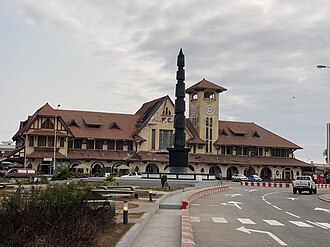
⛪Pointe-Noire Cathedral
The principal cathedral of Congo's economic capital and port city.
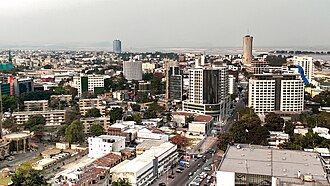
⛪Basilica Sainte-Anne Brazzaville
A striking green-roofed basilica and Brazzaville's most iconic religious landmark.
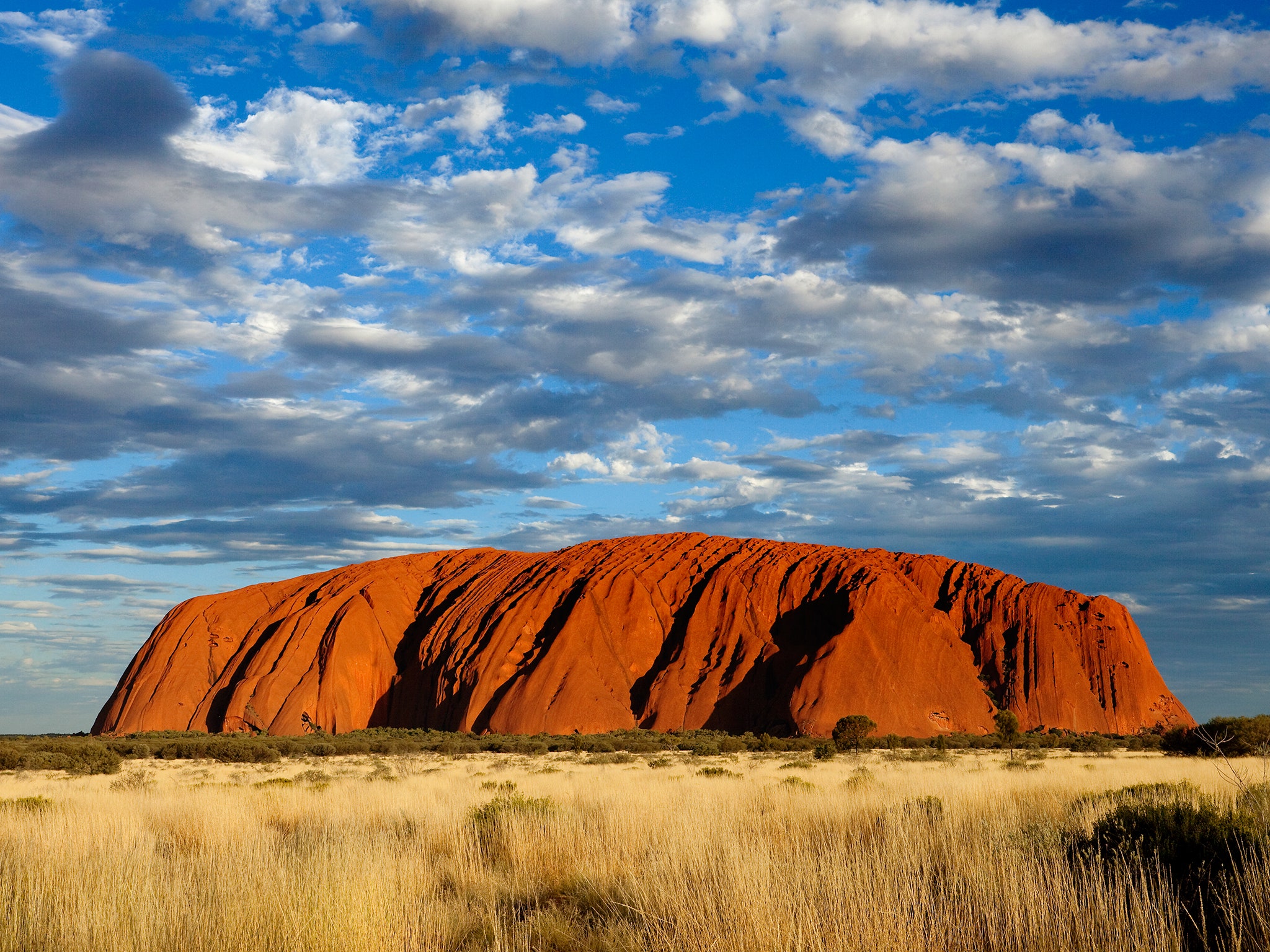
🪨Uluru (Ayers Rock)
A sacred monolith central to Aboriginal Australian creation stories.
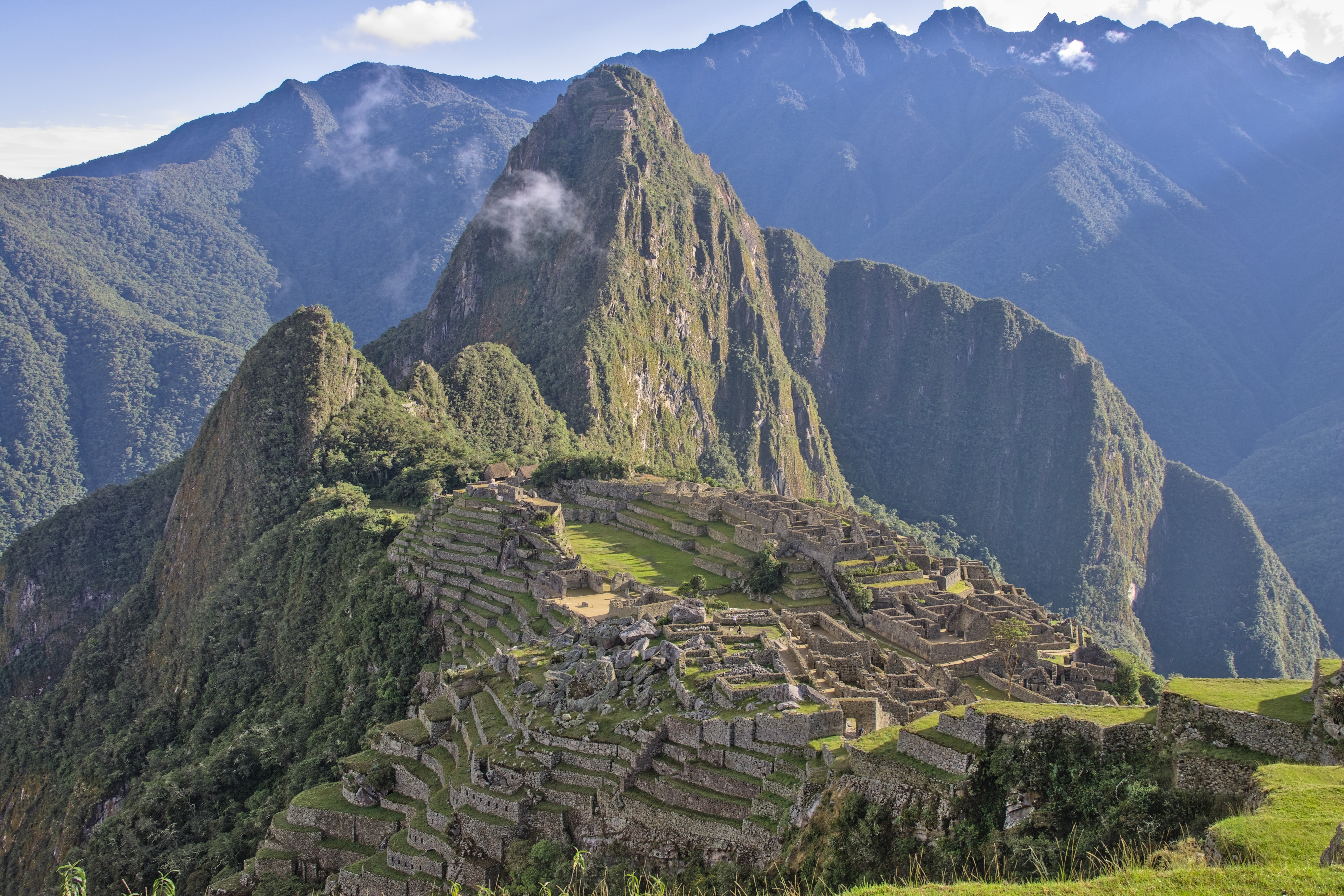
🏔️Machu Picchu
A sacred Inca citadel set high in the Andes, aligned with astronomical events.
🕋Masjid al-Haram (Great Mosque of Mecca)
The holiest site in Islam, home of the Kaaba, and the destination for Hajj pilgrimage.
🙏Varanasi (Kashi Vishwanath Temple)
The holiest city in Hinduism, where the Ganges River purifies the soul.

