⛪ Basilica Sainte-Anne Brazzaville
Republic of the Congo
About This Sacred Site
The Basilica of Sainte-Anne du Congo in Brazzaville is one of Central Africa's most distinctive churches, recognizable by its dramatic green-tiled roof and soaring tower. Completed in 1949, the basilica was designed by Roger Erell in a style that blends European ecclesiastical architecture with African artistic elements. It was elevated to the status of minor basilica by the Vatican and serves as a major center of Catholic worship in the Republic of the Congo. The church has been a witness to the country's history, from colonialism through independence and civil conflict.
Spiritual Significance
Completed in 1949 and designed by architect Roger Erell, the basilica features a distinctive green-tiled roof that dominates Brazzaville's skyline, serving as a visual marker for pilgrims. Elevated to minor basilica status by the Vatican in 1987, it hosts the annual feast of Sainte-Anne on July 26th, which draws thousands for candlelit processions and Marian devotions. The basilica's liturgy incorporates Latin rites alongside Congolese languages like Lingala, reflecting inculturation practices promoted by the Second Vatican Council. Pilgrims engage in novenas invoking Sainte-Anne, mother of the Virgin Mary, often referencing Luke 2:36-38, which mentions Anne's prophetic role. The basilica organizes catechetical sessions and community outreach programs, emphasizing social justice teachings from Catholic social doctrine. Its crypt houses relics of early missionaries, fostering veneration and historical continuity. Evening prayers frequently include the Rosary, underscoring the basilica's Marian devotion.
Key Facts
- •Completed in 1949 and designed by architect Roger Erell
- •Features a distinctive green-tiled roof visible across Brazzaville
- •Elevated to minor basilica status by the Vatican
- •Blends European and African architectural elements
- •Has served as a center of peace during periods of civil conflict
Location
Coordinates: -4.2694, 15.2833
Frequently Asked Questions
What religion is Basilica Sainte-Anne Brazzaville associated with?▾
Basilica Sainte-Anne Brazzaville is a Christianity holy site located in Republic of the Congo. It was established 1949 and is ranked #935 in our global directory of sacred sites.
When was Basilica Sainte-Anne Brazzaville established?▾
Basilica Sainte-Anne Brazzaville dates back to 1949. Completed in 1949 and designed by architect Roger Erell
How many people visit Basilica Sainte-Anne Brazzaville each year?▾
Basilica Sainte-Anne Brazzaville receives approximately 60,000 visitors per year. Features a distinctive green-tiled roof visible across Brazzaville
What is Basilica Sainte-Anne Brazzaville known for?▾
A striking green-roofed basilica and Brazzaville's most iconic religious landmark. Visitors come seeking blessings, peace, healing. Elevated to minor basilica status by the Vatican
Related Holy Sites
Sacred places connected by country, religion, and purpose
🌊Loango Sacred Sites
Sacred coastal sites of the ancient Loango Kingdom on the Atlantic shore.
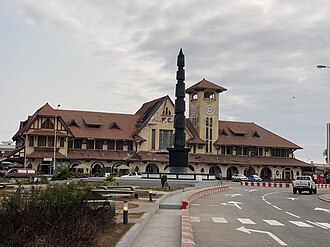
⛪Pointe-Noire Cathedral
The principal cathedral of Congo's economic capital and port city.
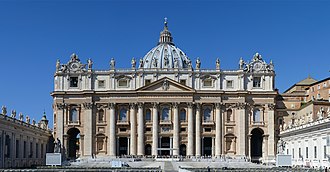
⛪Vatican City (St. Peter's Basilica)
The spiritual center of Roman Catholicism and home of the Pope.
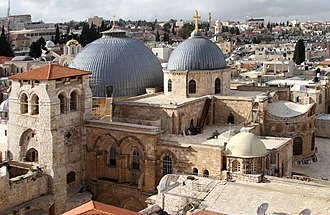
✝️Church of the Holy Sepulchre
The site where Jesus was crucified, buried, and resurrected.