⛪ Pointe-Noire Cathedral
Republic of the Congo
About This Sacred Site
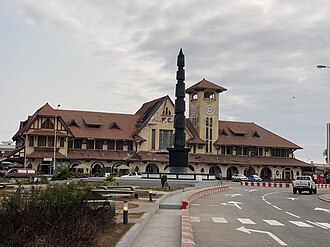
The Cathedral of Notre-Dame in Pointe-Noire is the principal Catholic church of Congo's economic capital and largest port city. Built during the French colonial era, the cathedral has served as a spiritual anchor for the city's growing population. Pointe-Noire, Congo's second city, has experienced rapid urbanization, and the cathedral has adapted to serve an increasingly large and diverse congregation. The church plays an important role in community life, providing education, social services, and a space for worship that brings together people from across Congo's many ethnic groups.
History & Origins
The Cathedral of Notre-Dame in Pointe-Noire was constructed during the 1940s under French colonial administration, becoming the primary Catholic church in Congo's main economic and port city. Its architecture reflects colonial-era ecclesiastical design with adaptations suited to the tropical climate. The cathedral has been central to the spiritual life of Pointe-Noire’s diverse population, hosting major religious ceremonies and community events. Post-independence, it has remained a symbol of continuity and faith amidst urban growth and modernization, representing Catholicism’s enduring influence in the Republic of the Congo.
Spiritual Significance
Constructed in the 1940s during the French colonial period, this cathedral serves as the principal Catholic church in Congo's economic capital, Pointe-Noire, which is also the country's largest port and second-largest city. It hosts the annual Feast of the Assumption on August 15, drawing local Catholic faithful to commemorate the Virgin Mary's role as protector, as outlined in the Catechism of the Catholic Church (CCC 966). The cathedral's liturgical calendar follows the Roman Rite, with regular Masses invoking passages from the Gospel of John reflecting Christ as the cornerstone of faith. It functions as the episcopal seat for the Diocese of Pointe-Noire, where bishops preside over sacraments such as Confirmation and Holy Orders, reinforcing apostolic succession traced to St. Peter. Pilgrims often participate in processions around the cathedral on significant feast days, a practice rooted in African Catholic syncretism harmonizing traditional dances with liturgical hymns. The building's architecture features Gothic elements adapted with tropical materials, symbolizing the fusion of European Christianity and Congolese culture.
Key Facts
- •Principal Catholic church of Congo's economic capital
- •Built during the French colonial period
- •Pointe-Noire is Congo's largest port and second-largest city
- •The cathedral serves a rapidly growing urban congregation
- •Provides education and social services alongside spiritual ministry
Location
Coordinates: -4.7761, 11.8639
Frequently Asked Questions
What religion is Pointe-Noire Cathedral associated with?▾
Pointe-Noire Cathedral is a Christianity holy site located in Republic of the Congo. It was established c. 1940s and is ranked #840 in our global directory of sacred sites.
When was Pointe-Noire Cathedral established?▾
Pointe-Noire Cathedral dates back to c. 1940s. Principal Catholic church of Congo's economic capital
How many people visit Pointe-Noire Cathedral each year?▾
Pointe-Noire Cathedral receives approximately 50,000 visitors per year. Built during the French colonial period
What is Pointe-Noire Cathedral known for?▾
The principal cathedral of Congo's economic capital and port city. Visitors come seeking blessings, guidance, peace. Pointe-Noire is Congo's largest port and second-largest city
Related Holy Sites
Sacred places connected by country, religion, and purpose
🌊Loango Sacred Sites
Sacred coastal sites of the ancient Loango Kingdom on the Atlantic shore.
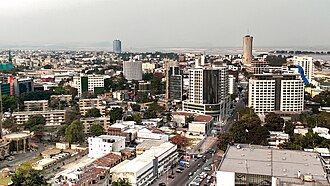
⛪Basilica Sainte-Anne Brazzaville
A striking green-roofed basilica and Brazzaville's most iconic religious landmark.
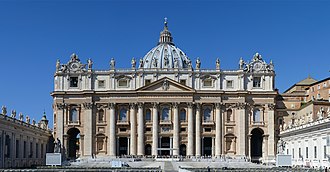
⛪Vatican City (St. Peter's Basilica)
The spiritual center of Roman Catholicism and home of the Pope.
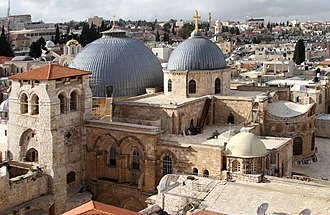
✝️Church of the Holy Sepulchre
The site where Jesus was crucified, buried, and resurrected.