☀️ Lalish (Yazidi Temple)
Iraq
About This Sacred Site
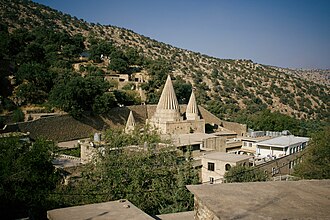
Lalish is the holiest site of the Yazidi faith, nestled in a remote valley in the Kurdistan Region of Iraq. The temple complex is distinguished by its conical spires, whitewashed buildings, and sacred natural springs. Pilgrims visit annually, especially during the Yazidi New Year and the Feast of the Assembly. Central to Lalish is the tomb of Sheikh Adi ibn Musafir, a revered 12th-century mystic whose teachings shaped Yazidism. The site includes the Shrine of Sheikh Adi, a sacred well believed to have healing powers, and several smaller temples dedicated to Yazidi saints. Lalish remains a vibrant religious center despite periods of persecution and conflict, embodying the Yazidis’ spiritual resilience and cultural identity.
Spiritual Significance
Lalish, established in the 12th century CE, is the holiest pilgrimage site for Yazidis, centered around the tomb of Sheikh Adi ibn Musafir, the religion's reformer and saint. The temple complex is distinguished by its conical fluted spires, each representing a divine emanation in Yazidi cosmology. Pilgrims undertake an annual seven-day festival called Çarşema Sor (Red Wednesday), involving ritual bathing in sacred springs and circumambulating the tomb. Yazidi religious practices include the recitation of hymns known as qewls, which recount the teachings of Sheikh Adi and the creation narrative documented in oral scriptures. All Yazidis are expected to visit Lalish at least once in their lifetime, performing rites of purification and renewal. The site also serves as a center for communal gatherings, where spiritual leaders called Baba Sheikh provide guidance according to Yazidi theological doctrines.
Key Facts
- •Holiest site of the Yazidi religion
- •Centers on the tomb of Sheikh Adi ibn Musafir
- •Features distinctive conical fluted spires
- •All Yazidis are expected to visit at least once in their lifetime
- •Shoes must be removed before entering the valley
Location
Coordinates: 36.7706, 43.5750
Frequently Asked Questions
What religion is Lalish (Yazidi Temple) associated with?▾
Lalish (Yazidi Temple) is a Indigenous holy site located in Iraq. It was established 12th century CE and is ranked #305 in our global directory of sacred sites.
When was Lalish (Yazidi Temple) established?▾
Lalish (Yazidi Temple) dates back to 12th century CE. Holiest site of the Yazidi religion
How many people visit Lalish (Yazidi Temple) each year?▾
Lalish (Yazidi Temple) receives approximately 100,000 visitors per year. Centers on the tomb of Sheikh Adi ibn Musafir
What is Lalish (Yazidi Temple) known for?▾
The holiest shrine of the Yazidi people, nestled in a valley in Kurdistan, Iraq. Visitors come seeking pilgrimage, purification, ancestral connection, blessings. Features distinctive conical fluted spires
Related Holy Sites
Sacred places connected by country, religion, and purpose
🕌Imam Ali Mosque (Najaf)
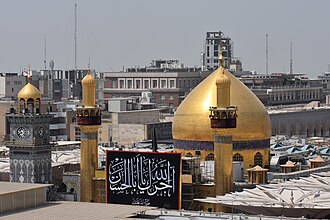
The tomb of Imam Ali, the first Shia Imam and fourth Caliph, in Najaf.

🪨Uluru (Ayers Rock)
A sacred monolith central to Aboriginal Australian creation stories.
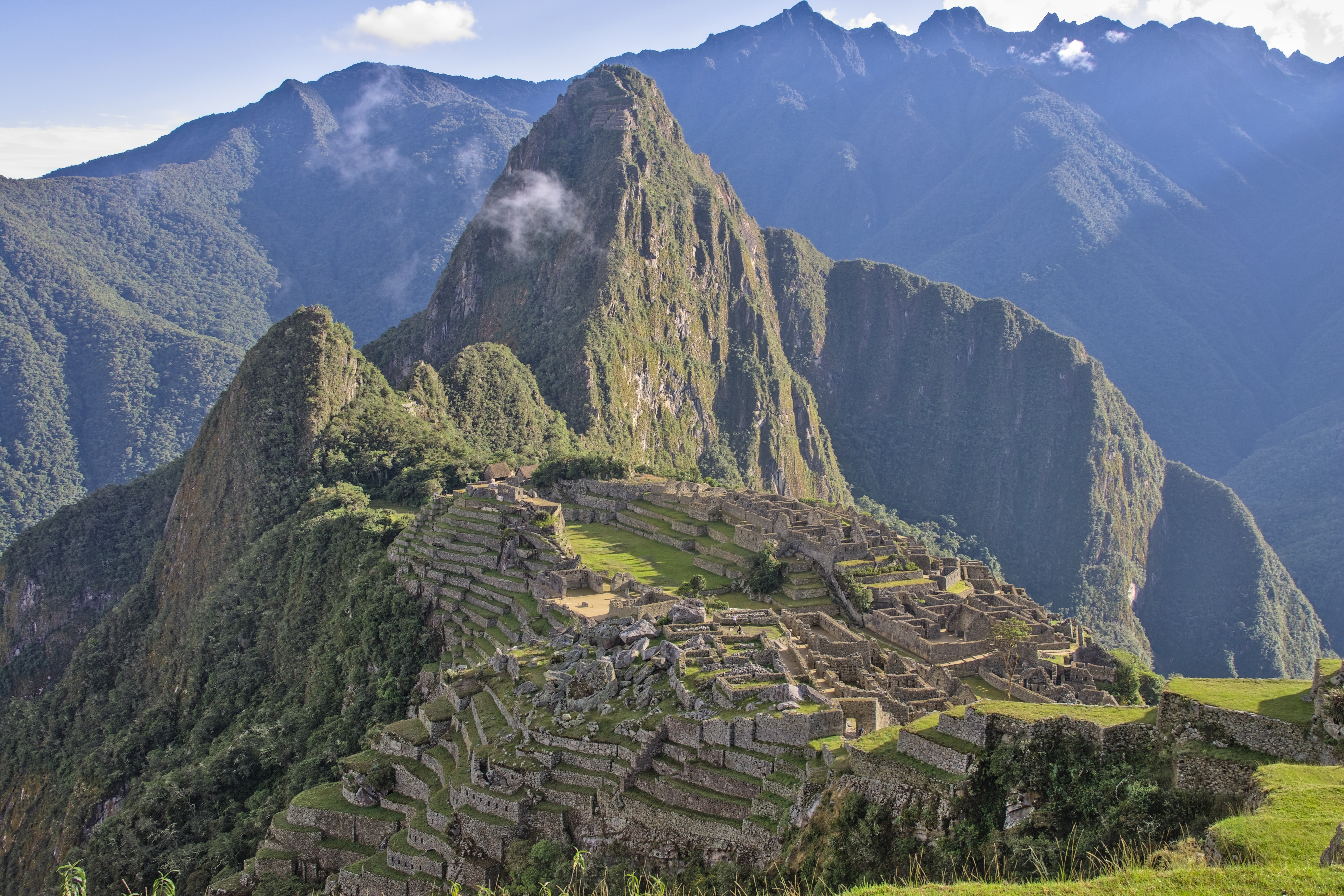
🏔️Machu Picchu
A sacred Inca citadel set high in the Andes, aligned with astronomical events.