🕌 Imam Ali Mosque (Najaf)
Iraq
About This Sacred Site
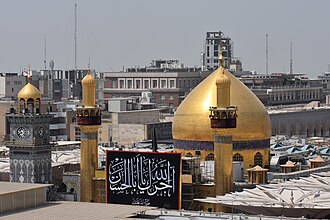
The Imam Ali Mosque in Najaf, Iraq, is one of Shia Islam’s holiest shrines, containing the tomb of Ali ibn Abi Talib, cousin and son-in-law of the Prophet Muhammad. The mosque features a golden dome and minarets, decorated with elaborate tile work and inscriptions. It serves as a major pilgrimage destination and religious learning center, renowned for its spiritual significance and architectural grandeur. The site is a focal point for Shia devotion and commemoration.
History & Origins
The Imam Ali Mosque in Najaf, Iraq, was originally established over the tomb of Ali ibn Abi Talib, the first Shia Imam and cousin and son-in-law of Prophet Muhammad, with the current structure dating back to 977 CE during the Buyid dynasty. The mosque's golden dome, rebuilt multiple times, notably in 1086 CE under the Seljuk ruler Malik-Shah I, currently rises 42 meters above the ground, serving as a prominent landmark. The mosque underwent extensive renovations during the Safavid era in the 16th century, which enhanced its ornate tile work and minarets. In the 20th century, under the rule of Saddam Hussein, the site suffered damage but was restored post-2003 with international Shia funding. The mosque is adjacent to Wadi-us-Salaam, a cemetery spanning approximately 1,485 acres, recognized as one of the world's largest burial grounds, historically linked to the mosque’s status as a pilgrimage destination.
Spiritual Significance
Containing the tomb of Ali ibn Abi Talib, the mosque holds immense significance in Shia Islam as Ali is regarded as the first Imam and rightful successor to Prophet Muhammad according to Shia doctrine. Pilgrims perform ziyarat, a visitation ritual, reciting specific salutations such as Ziyarat al-Nahiya al-Muqaddasa, believed to convey blessings from the Imam. The mosque is a focal point during the holy month of Muharram, particularly during the anniversary of Ali's martyrdom on the 21st of Ramadan, and during the annual Arbaeen pilgrimage, when millions visit Najaf en route to Karbala. The golden dome symbolizes divine light and martyrdom, and theological teachings from prominent Shia scholars like Sheikh al-Mufid emphasize the mosque's role in spiritual intercession. The site's proximity to Wadi-us-Salaam cemetery allows pilgrims to perform rituals of visitation for the deceased, integrating faith in the afterlife with veneration practices.
Key Facts
- •Contains the tomb of Ali ibn Abi Talib, first Shia Imam
- •The golden dome rises 42 meters above the ground
- •Adjacent to Wadi-us-Salaam, one of the world's largest cemeteries
- •The current structure dates largely from the 17th century
- •Receives millions of Shia pilgrims annually from around the world
Location
Coordinates: 32.0014, 44.3148
Frequently Asked Questions
What religion is Imam Ali Mosque (Najaf) associated with?▾
Imam Ali Mosque (Najaf) is a Islam holy site located in Iraq. It was established 977 CE (current structure) and is ranked #112 in our global directory of sacred sites.
When was Imam Ali Mosque (Najaf) established?▾
Imam Ali Mosque (Najaf) dates back to 977 CE (current structure). Contains the tomb of Ali ibn Abi Talib, first Shia Imam
How many people visit Imam Ali Mosque (Najaf) each year?▾
Imam Ali Mosque (Najaf) receives approximately 8 million visitors per year. The golden dome rises 42 meters above the ground
What is Imam Ali Mosque (Najaf) known for?▾
The tomb of Imam Ali, the first Shia Imam and fourth Caliph, in Najaf. Visitors come seeking pilgrimage, forgiveness, salvation, blessings. Adjacent to Wadi-us-Salaam, one of the world's largest cemeteries
Related Holy Sites
Sacred places connected by country, religion, and purpose