🌊 Lake Malawi Sacred Sites
Malawi
About This Sacred Site
Lake Malawi, known locally as Lake Nyasa, is the third largest lake in Africa and holds deep spiritual significance for the communities living along its shores. Several sites along the lake are considered sacred, used for traditional rain-calling ceremonies, ancestral veneration, and healing rituals. The Chewa, Tonga, and other lakeside peoples believe the lake is inhabited by spirits and perform offerings at designated sacred points. These traditions predate the arrival of Christianity and Islam and continue alongside them.
Spiritual Significance
The sacred sites along Lake Malawi's shores are central to the spiritual practices of the Chewa and Tonga peoples, who have used these locations for rain-calling ceremonies for centuries. These ceremonies, often conducted at specific rock outcrops or groves, involve ritual dances, offerings, and invocation of ancestral spirits to ensure agricultural fertility, as referenced in the oral traditions of these communities. The sites are associated with the invocation of Mwali, a supreme god figure in Chewa cosmology, and rituals often include libations and the recitation of ancestral praise poems. Pilgrims travel to these areas especially during the onset of the rainy season, performing ceremonies that include communal feasting and the playing of traditional drums and mbira instruments. The spiritual significance of the lake itself is underscored by its status as Africa's third largest lake, providing sustenance and a sacred landscape that supports the continuity of indigenous religious customs.
Key Facts
- •Lake Malawi is the third largest lake in Africa at 580 km long
- •Sacred sites along the shore are used for rain-calling ceremonies
- •The Chewa and Tonga peoples perform ancestral rituals at lakeside locations
- •Fishermen traditionally make offerings before embarking on the lake
- •Lake Malawi National Park is a UNESCO World Heritage Site
Location
Coordinates: -12.1667, 34.5833
Frequently Asked Questions
What religion is Lake Malawi Sacred Sites associated with?▾
Lake Malawi Sacred Sites is a Indigenous holy site located in Malawi. It was established Pre-colonial era and is ranked #577 in our global directory of sacred sites.
When was Lake Malawi Sacred Sites established?▾
Lake Malawi Sacred Sites dates back to Pre-colonial era. Lake Malawi is the third largest lake in Africa at 580 km long
How many people visit Lake Malawi Sacred Sites each year?▾
Lake Malawi Sacred Sites receives approximately 30,000+ visitors per year. Sacred sites along the shore are used for rain-calling ceremonies
What is Lake Malawi Sacred Sites known for?▾
Sacred locations along Lake Malawi where traditional rain-calling and ancestral rituals are performed. Visitors come seeking purification, healing, ancestral connection. The Chewa and Tonga peoples perform ancestral rituals at lakeside locations
Related Holy Sites
Sacred places connected by country, religion, and purpose
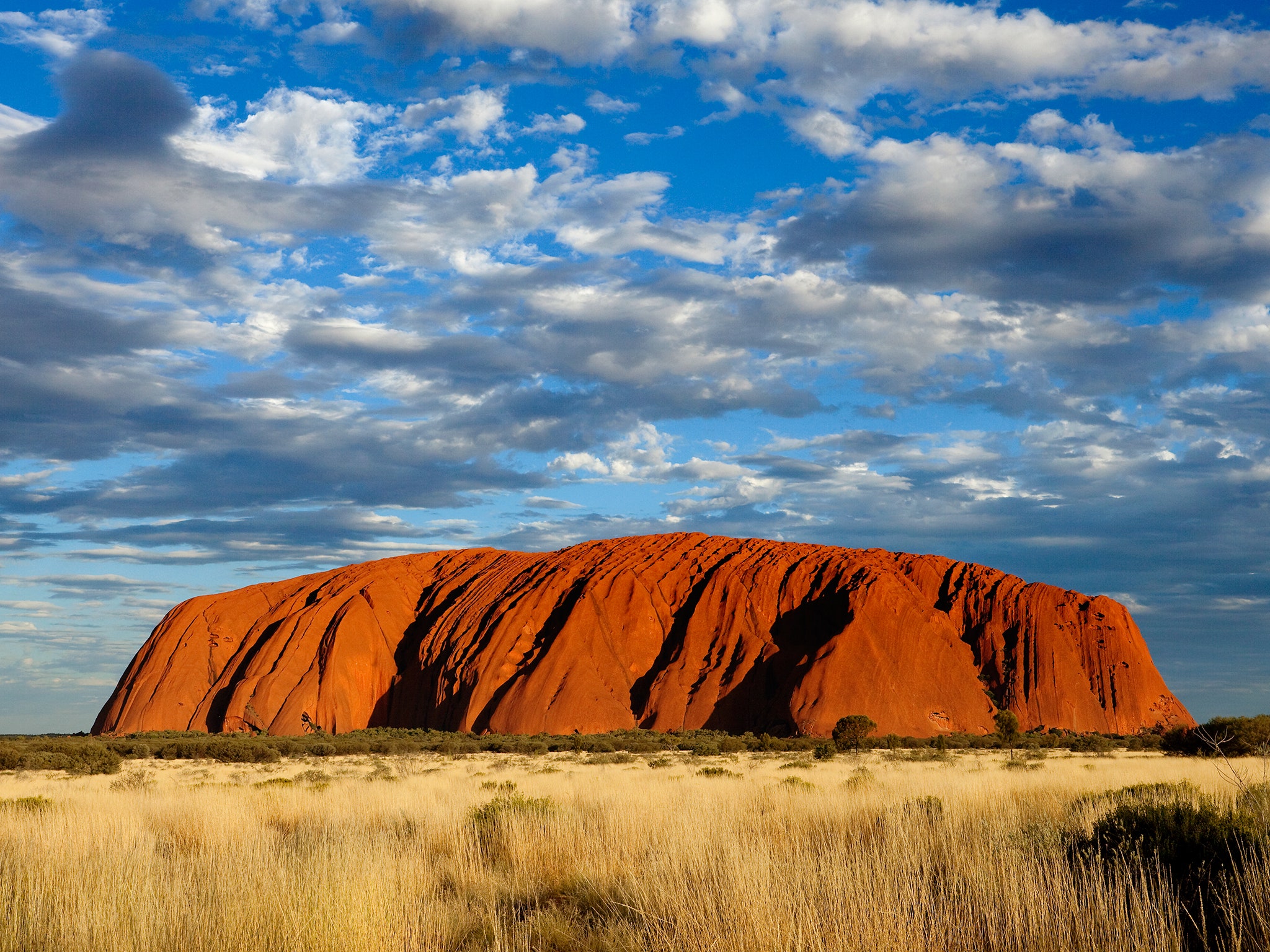
🪨Uluru (Ayers Rock)
A sacred monolith central to Aboriginal Australian creation stories.
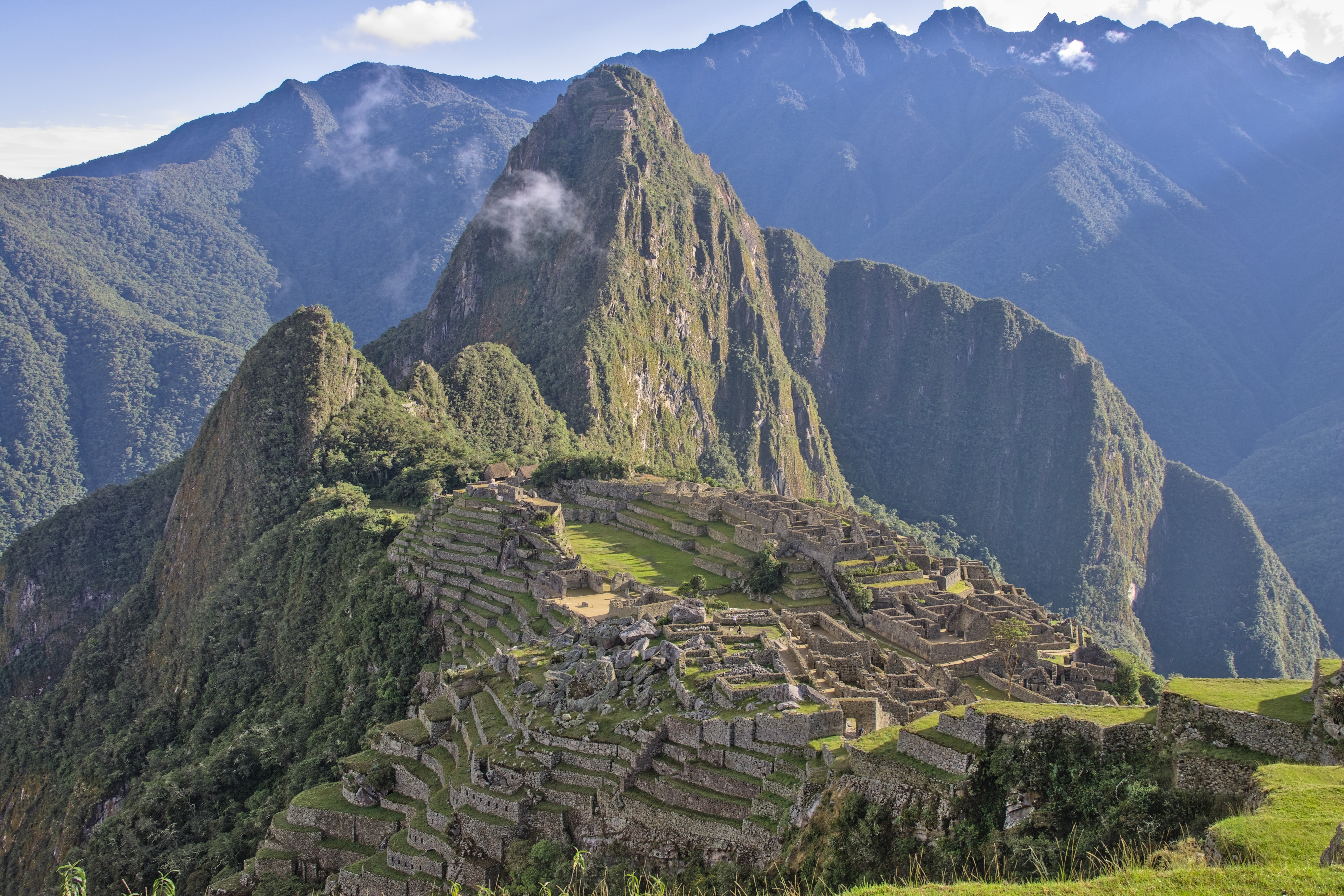
🏔️Machu Picchu
A sacred Inca citadel set high in the Andes, aligned with astronomical events.