
🎨 Chongoni Rock Art Area
Malawi
About This Sacred Site
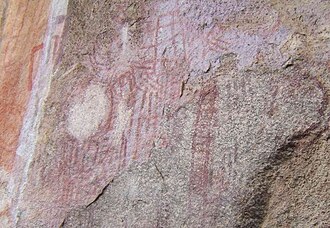
The Chongoni Rock Art Area is a UNESCO World Heritage Site encompassing 127 rock art sites across the forested granite hills of central Malawi. The paintings span thousands of years and include both red geometric symbols by BaTwa hunter-gatherers and white figurative paintings by Chewa agriculturalists. The Chewa paintings are directly linked to ongoing nyau secret society ceremonies, rain-calling rituals, and initiation rites, making this one of the most significant living rock art traditions in Africa.
History & Origins
The Chongoni Rock Art Area, inscribed as a UNESCO World Heritage Site in 2006, encompasses 127 documented rock art sites located on the central Malawian plateau. The oldest paintings date back to around 2500 BCE, attributed to the late Stone Age BaTwa peoples who used red ochre pigments to create abstract and figurative images. Over millennia, the site accumulated art from successive cultural groups, including the Chewa, who produced white paintings reflecting their ancestral beliefs. The rock shelters and caves feature depictions of animals, human figures, and ritual scenes, providing a chronological record of artistic and spiritual expression in the region. Archaeological studies have identified layers of habitation and periodic use of the sites for ritual purposes. The area has been carefully preserved as an archaeological and cultural landscape, with ongoing efforts to document and protect the fragile pigment layers from environmental damage.
Spiritual Significance
The rock art at Chongoni serves as a tangible link to the spiritual beliefs of the BaTwa hunter-gatherers and later the Chewa farming communities, who used the paintings in rituals related to initiation and ancestral veneration. The Chewa people associate the white paintings with secret societies such as the Nyau, whose masked dances are performed to honor ancestors and ensure societal cohesion. These rituals involve recitations from oral traditions and are tied to agricultural cycles, with rock art sites functioning as ceremonial spaces during initiation rites and rainmaking ceremonies. The imagery is interpreted as symbolic representations of cosmological concepts, reflecting indigenous theological doctrines predating written scripture. Pilgrims and cultural practitioners continue to visit the sites to conduct rites that maintain the spiritual heritage embodied in the rock art, linking present-day communities to their prehistoric ancestors.
Key Facts
- •Inscribed as a UNESCO World Heritage Site in 2006
- •Contains 127 documented rock art sites
- •The oldest paintings date back to the late Stone Age BaTwa peoples
- •Chewa paintings are linked to living nyau secret society traditions
- •The rock art is associated with rain-calling and initiation ceremonies
Location
Coordinates: -14.2833, 34.2667
Frequently Asked Questions
What religion is Chongoni Rock Art Area associated with?▾
Chongoni Rock Art Area is a Indigenous holy site located in Malawi. It was established c. 2500 BCE and is ranked #71 in our global directory of sacred sites.
When was Chongoni Rock Art Area established?▾
Chongoni Rock Art Area dates back to c. 2500 BCE. Inscribed as a UNESCO World Heritage Site in 2006
How many people visit Chongoni Rock Art Area each year?▾
Chongoni Rock Art Area receives approximately 10,000+ visitors per year. Contains 127 documented rock art sites
What is Chongoni Rock Art Area known for?▾
UNESCO World Heritage rock art site in central Malawi, linked to Chewa rain-calling and initiation rituals. Visitors come seeking ancestral connection, spiritual enlightenment, meditation. The oldest paintings date back to the late Stone Age BaTwa peoples
Related Holy Sites
Sacred places connected by country, religion, and purpose

🪨Uluru (Ayers Rock)
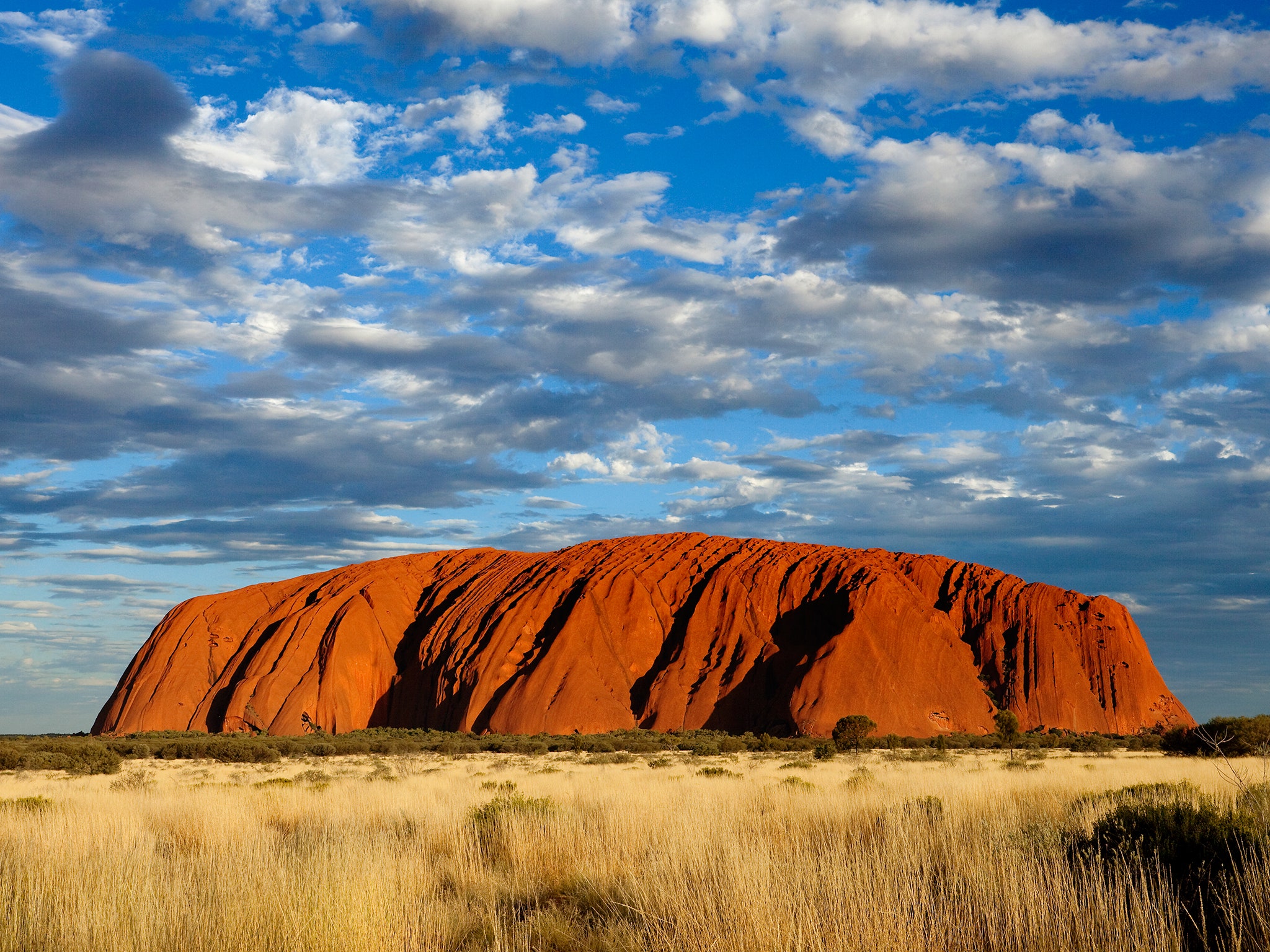
A sacred monolith central to Aboriginal Australian creation stories.
🏔️Machu Picchu
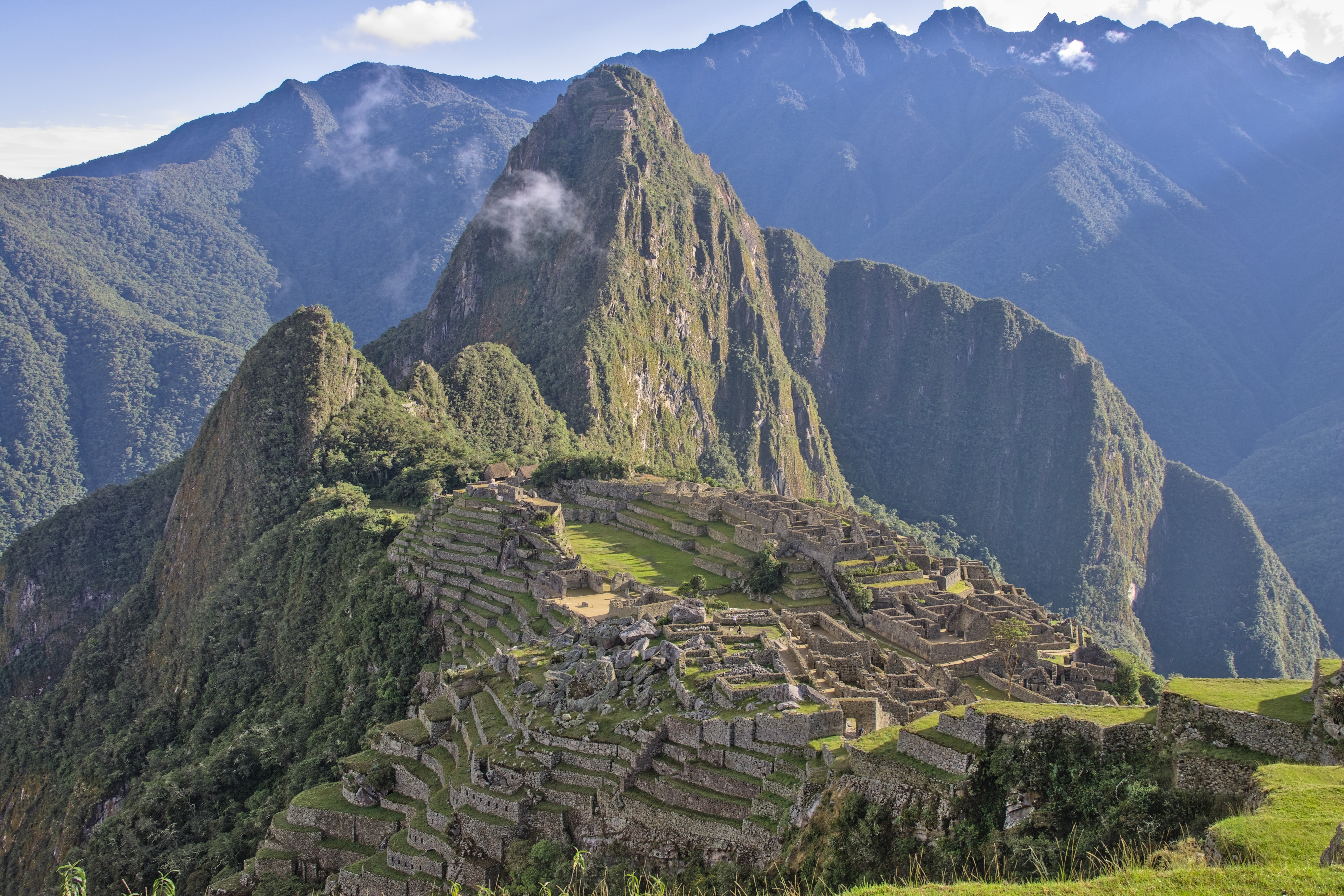
A sacred Inca citadel set high in the Andes, aligned with astronomical events.
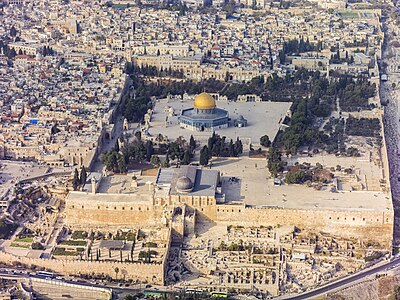
🕌Temple Mount / Al-Aqsa (Jerusalem)
Sacred to Judaism, Christianity, and Islam — the most contested holy site on Earth.
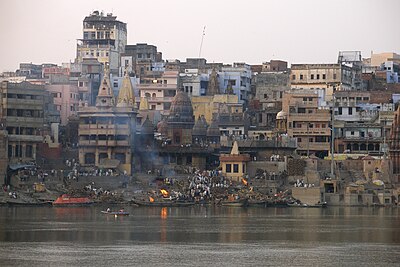
🙏Varanasi (Kashi Vishwanath Temple)
The holiest city in Hinduism, where the Ganges River purifies the soul.

