🕌 Kampong Ayer Mosque
Brunei
About This Sacred Site
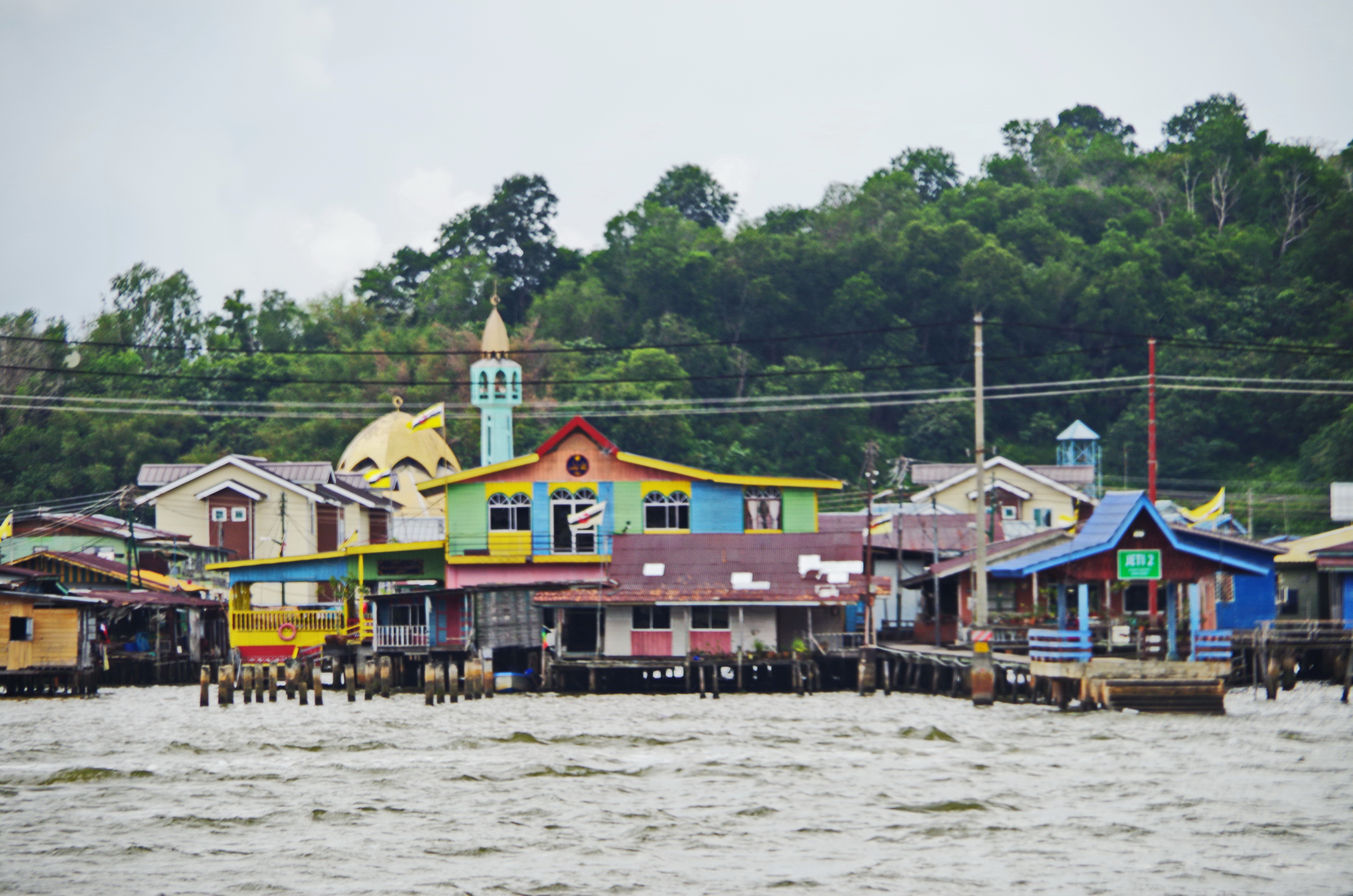
Kampong Ayer, known as the 'Venice of the East,' is the world's largest water village, with over 30,000 residents living in houses on stilts over the Brunei River. The village contains several mosques that serve the community, reflecting centuries of Islamic life on the water. The mosques of Kampong Ayer are central to the social and spiritual fabric of this unique settlement, which has existed for over 1,300 years. Despite modernization, the water village maintains its traditional way of life centered around faith and community.
History & Origins
Kampong Ayer Mosque is situated within the historic water village of Kampong Ayer, which has existed for over 1,300 years as one of the earliest settlements in Brunei. The village, often referred to as the 'Venice of the East' by European explorers in the 16th century, is composed of stilt houses built over the Brunei River. The mosque itself was established in the 7th century, coinciding with the early introduction of Islam to the region through Arab and Malay traders. Over centuries, the mosque has undergone multiple renovations, including a significant reconstruction in the 20th century incorporating modern materials while preserving traditional design elements such as the raised wooden platform and pitched roof. It serves as a spiritual anchor for more than 30,000 residents living on the water, maintaining its role as a center for communal worship and social gatherings. The mosque's architecture blends vernacular water village construction techniques with Islamic motifs, symbolizing the integration of faith and local culture.
Spiritual Significance
Serving the world's largest water village, the mosque facilitates daily prayers aligned with Islamic five-time Salah, accommodating worshippers arriving by boat or footbridge. It hosts the communal breaking of fast (Iftar) during Ramadan, reinforcing social cohesion among the waterborne community. The mosque upholds the teaching of the Quran and Sunnah, with weekly classes in Quranic recitation and Islamic jurisprudence for all ages, reflecting the village's commitment to religious education. Eid prayers are held on floating platforms adjacent to the mosque, illustrating the unique adaptation of Islamic rituals to the aquatic environment. The mosque's role extends beyond worship to include mediation of social issues under Islamic law, guided by local religious leaders (Imams) who trace their lineage to early Islamic missionaries in Borneo. Its continuous operation since the 7th century underscores the enduring presence and influence of Islam in the region.
Key Facts
- •Kampong Ayer is the world's largest water village with 30,000+ residents
- •The settlement has existed for over 1,300 years
- •Called the 'Venice of the East' by European explorers
- •Several mosques serve the water village community
- •Houses, schools, and mosques are built on stilts over the river
Location
Coordinates: 4.9333, 114.9500
Frequently Asked Questions
What religion is Kampong Ayer Mosque associated with?▾
Kampong Ayer Mosque is a Islam holy site located in Brunei. It was established c. 7th century (settlement) and is ranked #310 in our global directory of sacred sites.
When was Kampong Ayer Mosque established?▾
Kampong Ayer Mosque dates back to c. 7th century (settlement). Kampong Ayer is the world's largest water village with 30,000+ residents
How many people visit Kampong Ayer Mosque each year?▾
Kampong Ayer Mosque receives approximately 150,000 visitors per year. The settlement has existed for over 1,300 years
What is Kampong Ayer Mosque known for?▾
A mosque in the world's largest water village, home to Brunei's traditional stilt communities. Visitors come seeking peace, pilgrimage, ancestral connection. Called the 'Venice of the East' by European explorers
Related Holy Sites
Sacred places connected by country, religion, and purpose