☸️ Jokhang Temple
China
About This Sacred Site
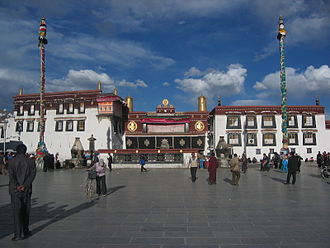
The Jokhang Temple in Lhasa is considered the most sacred temple in Tibetan Buddhism. Built in 647 CE by King Songtsen Gampo to house a precious Buddha statue brought by his Nepalese wife, it later enshrined the Jowo Rinpoche, a statue of the twelve-year-old Shakyamuni Buddha brought by his Chinese wife Princess Wencheng. Thousands of Tibetan pilgrims prostrate themselves along the Barkhor pilgrim circuit that encircles the temple. The temple blends Tibetan, Tang dynasty Chinese, Nepalese, and Indian architectural styles.
History & Origins
Constructed in 647 CE under the reign of King Songtsen Gampo, the Jokhang Temple in Lhasa was built to house the Jowo Rinpoche statue, believed to have been blessed by the Buddha Shakyamuni himself, making it the most revered statue in Tibetan Buddhism. The temple underwent significant expansions during the reign of King Trisong Detsen in the 8th century, incorporating Indian and Nepalese architectural styles to accommodate growing pilgrim numbers. In the 18th century, renovations under the Qing dynasty included adding gilded roofs and protective walls following damage during Tibetan conflicts. The Barkhor pilgrimage circuit, encircling the temple, was formalized in the 17th century and remains one of three sacred circumambulation paths in Lhasa, with pilgrims performing prostrations and spinning prayer wheels. Jokhang has withstood multiple political upheavals, including the 1959 Tibetan uprising, after which restoration efforts began to preserve its structural integrity and religious function.
Spiritual Significance
Jokhang serves as the spiritual heart of Tibetan Buddhism due to housing the Jowo Rinpoche statue, which devotees believe embodies the Buddha’s youthful form and grants blessings when circumambulated during daily rituals. Pilgrims from across Tibet and beyond partake in kora, walking clockwise around the temple while reciting mantras like the Mani mantra (Om Mani Padme Hum) to invoke Avalokiteshvara’s compassion. The temple is central to the annual Great Prayer Festival (Monlam Chenmo), initiated by Tsongkhapa in the 15th century, featuring mass prayers, tantric rituals, and debates led by high lamas. Its architecture integrates tantric symbolism, including mandalas and protectors, aligning with Vajrayana doctrine emphasizing the union of wisdom and compassion. The temple also houses scriptures such as the Kangyur and Tengyur, utilized by resident monks for ritual chanting and teaching. The Barkhor circuit functions as a collective devotional act, believed to purify karma and aid in the attainment of Buddhahood.
Key Facts
- •Houses the Jowo Rinpoche, the most revered statue in Tibetan Buddhism
- •Built in 647 CE by King Songtsen Gampo
- •The Barkhor pilgrim circuit around the temple is one of three sacred circuits in Lhasa
- •Blends Tibetan, Chinese, Nepalese, and Indian architectural elements
- •UNESCO World Heritage Site as part of the Historic Ensemble of the Potala Palace
Location
Coordinates: 29.6525, 91.1318
Frequently Asked Questions
What religion is Jokhang Temple associated with?▾
Jokhang Temple is a Buddhism holy site located in China. It was established 647 CE and is ranked #182 in our global directory of sacred sites.
When was Jokhang Temple established?▾
Jokhang Temple dates back to 647 CE. Houses the Jowo Rinpoche, the most revered statue in Tibetan Buddhism
How many people visit Jokhang Temple each year?▾
Jokhang Temple receives approximately 1+ million visitors per year. Built in 647 CE by King Songtsen Gampo
What is Jokhang Temple known for?▾
The holiest temple in Tibetan Buddhism, located in the heart of Lhasa. Visitors come seeking pilgrimage, blessings, spiritual enlightenment, protection. The Barkhor pilgrim circuit around the temple is one of three sacred circuits in Lhasa
Related Holy Sites
Sacred places connected by country, religion, and purpose
🏔️Mount Kailash
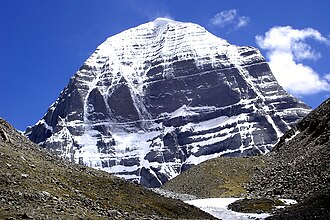
Sacred to four religions, considered the center of the universe.
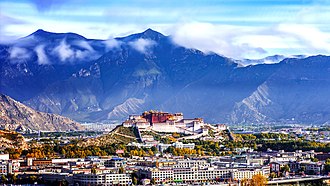
🏯Potala Palace
Former winter residence of the Dalai Lama, towering over Lhasa.
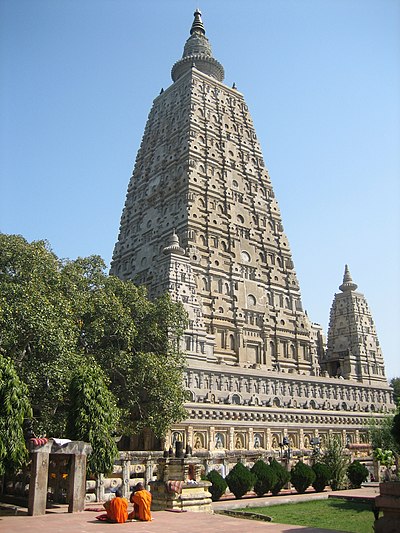
☸️Bodh Gaya (Mahabodhi Temple)
Where Siddhartha Gautama attained enlightenment and became the Buddha.
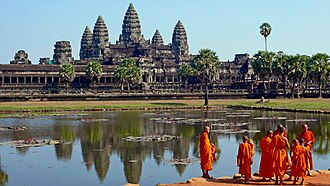
🛕Angkor Wat
The largest religious monument in the world, originally Hindu then Buddhist.