💧 Fouta Djallon Sacred Springs
Guinea
About This Sacred Site
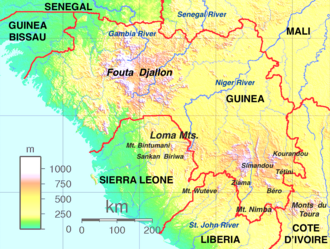
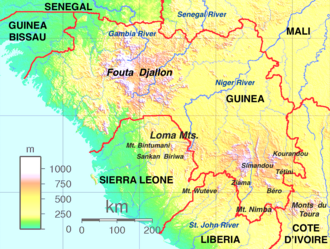
The Fouta Djallon highlands of Guinea are sometimes called the 'water tower of West Africa' because the Niger, Senegal, and Gambia rivers all originate here. Numerous springs and waterfalls in the region are considered sacred by the Fulani and other local communities. These water sources have been sites of traditional healing, purification ceremonies, and fertility rituals for centuries, predating the Islamic conversion of the region. Even after the establishment of the Futa Jallon Imamate, reverence for the sacred springs continued, incorporating Islamic elements into older spiritual practices centered on water and nature.
History & Origins
The sacred springs of Fouta Djallon have been venerated since ancient times, predating Islamic influence in the region. The area is known as the 'water tower of West Africa' because the Niger, Senegal, and Gambia rivers all originate from these highland springs. Historically, local Fulani rulers established ritual sites near the springs to oversee water-related ceremonies, with oral traditions dating back several centuries recounting the founding of shrines by early spiritual leaders such as Karamoko Alfa in the 18th century. These springs have undergone preservation efforts in the 20th century to maintain their ecological and cultural importance amid increasing population pressures. The springs' locations are often marked by stone cairns and sacred groves, protected by community elders who enforce taboos related to water use and spiritual conduct.
Spiritual Significance
The springs are central to indigenous Fulani spiritual beliefs, where water is regarded as a sacred life force and a conduit to ancestral spirits. Rituals involve offerings and libations at the source points, particularly during the rainy season festivals that celebrate renewal and agricultural fertility. Pilgrims travel to the springs to perform purification rites before prayers, reflecting theological doctrines that emphasize water's cleansing properties as described in local oral scriptures. The veneration of these waters aligns with ecological stewardship practices, reinforcing a sacred covenant between humans and nature in Fulani cosmology. Spiritual leaders known as marabouts conduct prayers and blessings here, invoking protection for the communities dependent on the rivers flowing from these springs.
Key Facts
- •The Niger, Senegal, and Gambia rivers all originate in the Fouta Djallon
- •Known as the 'water tower of West Africa'
- •Sacred springs have been venerated for centuries
- •Traditional healing and fertility rituals are performed at water sources
- •Pre-Islamic water reverence blends with Islamic spiritual practices
Location
Coordinates: 11.3500, -12.2833
Frequently Asked Questions
What religion is Fouta Djallon Sacred Springs associated with?▾
Fouta Djallon Sacred Springs is a Indigenous holy site located in Guinea. It was established Ancient and is ranked #1006 in our global directory of sacred sites.
When was Fouta Djallon Sacred Springs established?▾
Fouta Djallon Sacred Springs dates back to Ancient. The Niger, Senegal, and Gambia rivers all originate in the Fouta Djallon
How many people visit Fouta Djallon Sacred Springs each year?▾
Fouta Djallon Sacred Springs receives approximately 10,000 visitors per year. Known as the 'water tower of West Africa'
What is Fouta Djallon Sacred Springs known for?▾
Sacred water sources in Guinea's highlands where three major West African rivers originate. Visitors come seeking healing, purification, fertility. Sacred springs have been venerated for centuries
Related Holy Sites
Sacred places connected by country, religion, and purpose
🕌Grand Mosque of Conakry
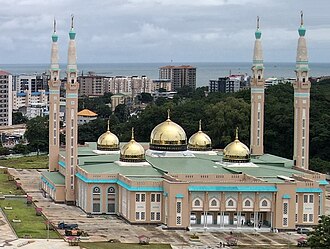
West Africa's largest mosque, a gift from Saudi Arabia to Guinea.
🕌Futa Jallon Mosques
Historic mosques of the Futa Jallon highlands, cradle of West African Islamic reform.
🪨Uluru (Ayers Rock)
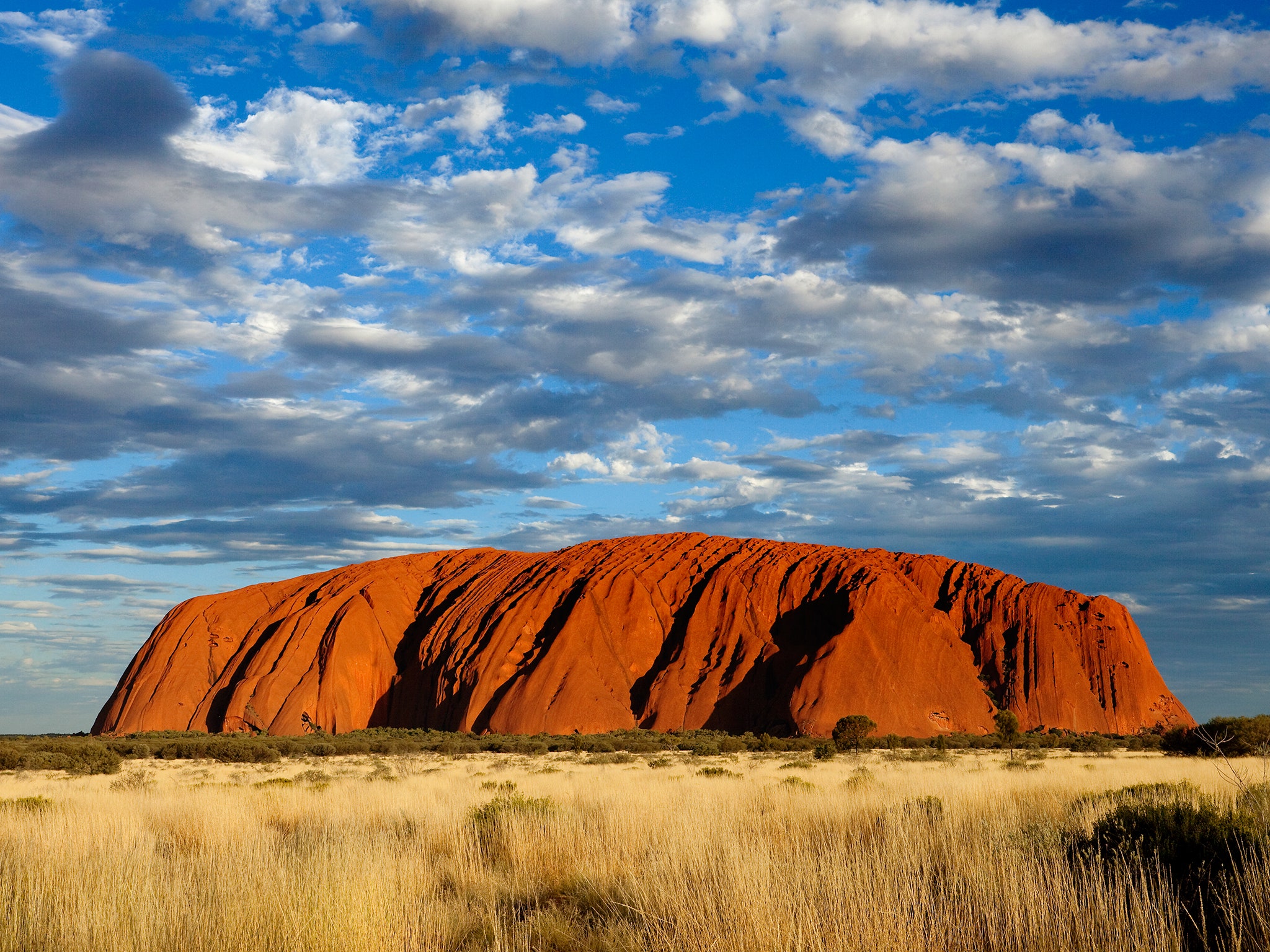
A sacred monolith central to Aboriginal Australian creation stories.
🏔️Machu Picchu
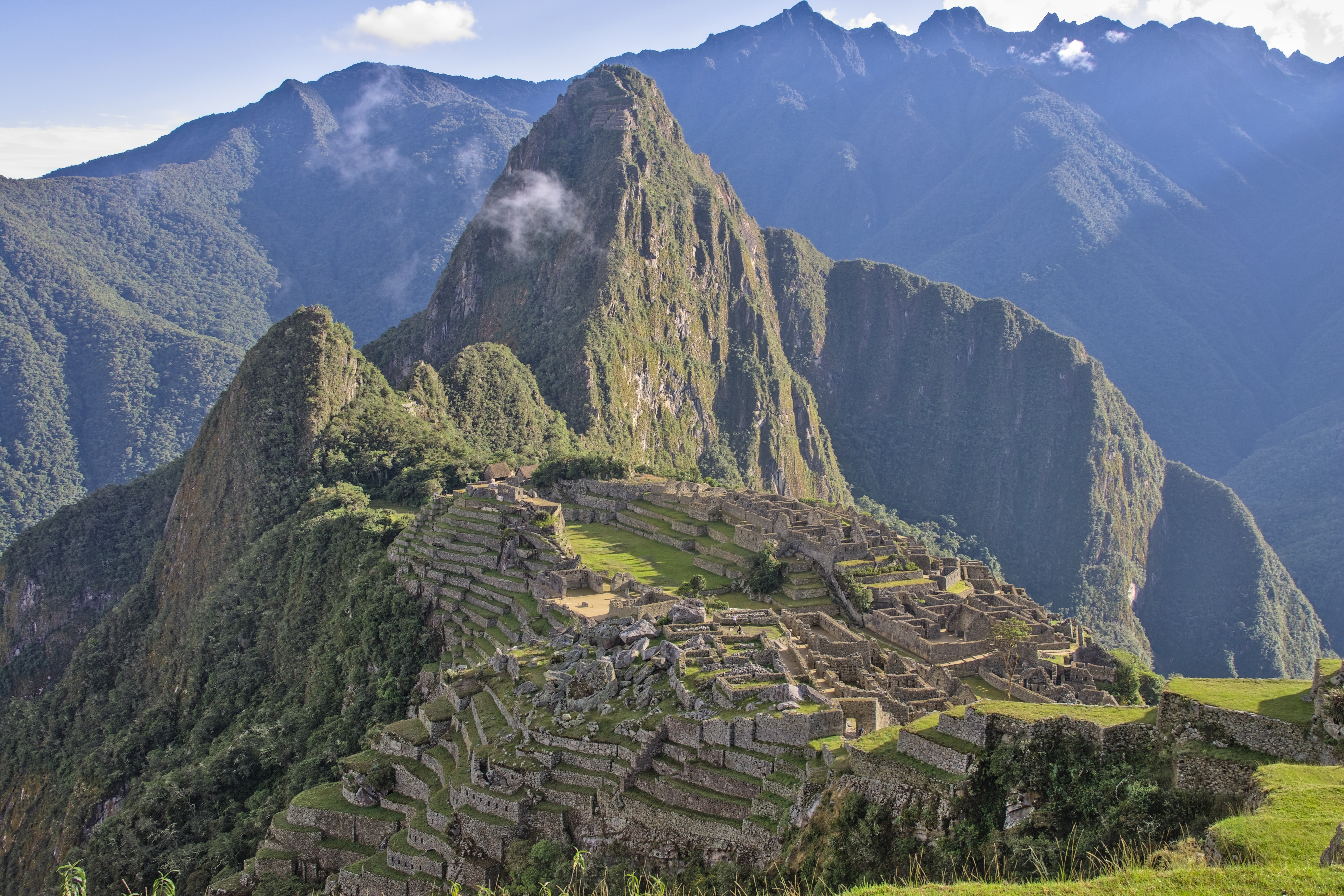
A sacred Inca citadel set high in the Andes, aligned with astronomical events.