🕌 Grand Mosque of Conakry
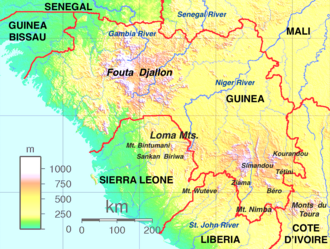
Guinea
About This Sacred Site
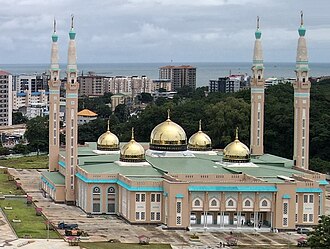
The Grand Mosque of Conakry (Faisal Mosque) is the largest mosque in West Africa, a striking modern structure that dominates the skyline of Guinea's capital. Built with Saudi Arabian funding in the 1980s, the mosque can accommodate up to 10,000 worshippers. Guinea is a predominantly Muslim nation, and the Grand Mosque serves as the focal point for national Islamic celebrations, Friday prayers, and religious education. The mosque's enormous prayer hall, towering minarets, and marble-clad interior reflect the ambition of creating a landmark worthy of Guinea's deep Islamic traditions.
Spiritual Significance
The Grand Mosque of Conakry, completed in 1982 with Saudi Arabian funding, is the largest mosque in West Africa and accommodates up to 10,000 worshippers during major Islamic events such as Eid al-Fitr and Eid al-Adha. Known also as the Faisal Mosque after King Faisal of Saudi Arabia, it incorporates traditional Islamic architectural elements including large minarets and a vast prayer hall topped by a dome. The mosque serves as the central site for communal prayers during Ramadan, where nightly Taraweeh prayers are held with recitations from the Madani Mushaf, reflecting the adherence to classical Quranic texts. The mosque complex includes facilities for Islamic education, where students study Tafsir and Fiqh, emphasizing Sunni jurisprudence. It also hosts interfaith dialogues and serves as a national symbol of Guinea's Islamic identity, with the imam often leading public prayers and issuing sermons aligned with the Maliki school.
Key Facts
- •Largest mosque in West Africa, accommodating up to 10,000 worshippers
- •Built with Saudi Arabian funding and completed in the 1980s
- •Also known as the Faisal Mosque, named after King Faisal of Saudi Arabia
- •Guinea's population is approximately 85% Muslim
- •Features towering minarets and a marble-clad interior
Location
Coordinates: 9.5092, -13.7122
Frequently Asked Questions
What religion is Grand Mosque of Conakry associated with?▾
Grand Mosque of Conakry is a Islam holy site located in Guinea. It was established 1982 and is ranked #716 in our global directory of sacred sites.
When was Grand Mosque of Conakry established?▾
Grand Mosque of Conakry dates back to 1982. Largest mosque in West Africa, accommodating up to 10,000 worshippers
How many people visit Grand Mosque of Conakry each year?▾
Grand Mosque of Conakry receives approximately 200,000 visitors per year. Built with Saudi Arabian funding and completed in the 1980s
What is Grand Mosque of Conakry known for?▾
West Africa's largest mosque, a gift from Saudi Arabia to Guinea. Visitors come seeking pilgrimage, peace, guidance. Also known as the Faisal Mosque, named after King Faisal of Saudi Arabia
Related Holy Sites
Sacred places connected by country, religion, and purpose