🕌 Futa Jallon Mosques
Guinea
About This Sacred Site
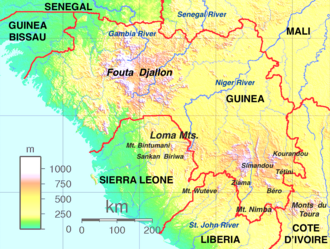
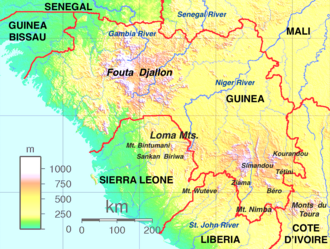
The mosques of the Futa Jallon highlands represent the spiritual heritage of one of West Africa's most important Islamic theocracies. The Imamate of Futa Jallon, established in the 18th century, was a center of Islamic reform and scholarship that profoundly influenced the spread of Islam across West Africa. Historic mosques in towns like Timbo, Fugumba, and Labé served as both places of worship and centers of Quranic education. The round-hut style of these mosques, adapted to the highland environment, represents a unique architectural tradition. The region continues to be a heartland of Guinean Islam.
History & Origins
The Futa Jallon Imamate was established in 1727 under the leadership of Karamokho Alfa, who unified Fulani clans in the highlands of Guinea to create an Islamic theocracy. The mosques in Timbo, Fugumba, and Labé were constructed during the 18th century as centers of worship and Islamic scholarship, with Timbo serving as the capital and spiritual heart of the Imamate. Renovations in the 19th century under Almami Abdul Rahman I expanded the mosque complexes to accommodate growing numbers of followers and students. The Futa Jallon theocracy played a pivotal role in promoting Islamic reform movements across West Africa, influencing neighboring regions through religious education and political alliances. The mosque architecture reflects Sudano-Sahelian styles with adobe construction and wooden toron beams, and many of these historic mosques remain active sites for community worship and Islamic festivals today.
Spiritual Significance
The historic mosques of Futa Jallon serve as focal points for Islamic worship and learning, with Friday prayers drawing congregants from across the region. The annual Mawlid celebration commemorates the birth of Prophet Muhammad and features Quranic recitations and Sufi chants specific to the Fula Islamic traditions established by the Imamate's founders. Pilgrims often perform ritual ablutions in nearby springs before entering the mosques, reflecting the theological emphasis on purity as outlined in the Maliki madhhab prevalent in the area. Scriptural study circles conducted by marabouts emphasize the teachings of the Quran and Hadith, reinforcing the spiritual discipline that underpinned the Imamate's reformist zeal. The mosques also host Sufi brotherhood gatherings, linking local practices to broader West African Islamic networks founded by scholars like Ahmadou Bamba.
Key Facts
- •The Futa Jallon Imamate was established in 1727
- •The theocracy was a major center of Islamic reform in West Africa
- •Historic mosques in Timbo, Fugumba, and Labé date to the 18th century
- •The mosques feature a distinctive round-hut architectural style
- •The Futa Jallon profoundly influenced the spread of Islam across West Africa
Location
Coordinates: 10.5833, -12.0833
Frequently Asked Questions
What religion is Futa Jallon Mosques associated with?▾
Futa Jallon Mosques is a Islam holy site located in Guinea. It was established c. 1727 and is ranked #970 in our global directory of sacred sites.
When was Futa Jallon Mosques established?▾
Futa Jallon Mosques dates back to c. 1727. The Futa Jallon Imamate was established in 1727
How many people visit Futa Jallon Mosques each year?▾
Futa Jallon Mosques receives approximately 20,000 visitors per year. The theocracy was a major center of Islamic reform in West Africa
What is Futa Jallon Mosques known for?▾
Historic mosques of the Futa Jallon highlands, cradle of West African Islamic reform. Visitors come seeking pilgrimage, spiritual enlightenment, guidance. Historic mosques in Timbo, Fugumba, and Labé date to the 18th century
Related Holy Sites
Sacred places connected by country, religion, and purpose