
🌊 Cape Reinga (Te Rerenga Wairua)
New Zealand
About This Sacred Site
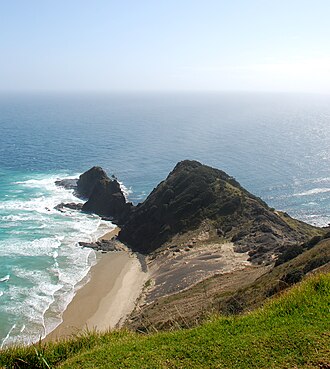
Cape Reinga, or Te Rerenga Wairua, is the northernmost tip of New Zealand’s North Island and a sacred Māori spiritual site. Known as "the leaping place of the spirits," it is believed that departed souls embark on their journey to the afterlife from this promontory where the Tasman Sea meets the Pacific Ocean. The site features a lighthouse and distinctive pōhutukawa trees. It remains a powerful cultural landmark, deeply embedded in Māori cosmology, symbolizing the connection between the living and the spirit world.
History & Origins
Cape Reinga, known as Te Rerenga Wairua in Māori tradition, has been a sacred site of continuous indigenous significance for centuries, predating European contact. The cape's name, meaning 'the leaping-off place of spirits,' references its role in Māori cosmology, where the spirits of the deceased journey to the afterlife. Historically, local iwi such as Ngāti Kuri have maintained guardianship over the site, with documented oral histories tracing back over 700 years. The lighthouse at Cape Reinga was constructed in 1941 by the New Zealand government to aid maritime navigation, but the surrounding land remains under the stewardship of Māori authorities, who have resisted commercial development to preserve its sacred status. The turbulent meeting point of the Tasman Sea and Pacific Ocean has been a natural landmark for generations of seafarers and tribal navigators.
Spiritual Significance
In Māori belief, Cape Reinga is the point where the spirits of the dead depart the physical world, sliding down the roots of an ancient pōhutukawa tree into the ocean to reach their ancestral homeland of Hawaiki. This cosmological narrative is central to rituals performed by tangata whenua (local people), including karakia (prayers) and waiata (songs) that honor the journey of wairua (spirits). Pilgrims often visit on Matariki (Māori New Year) to pay respects and participate in ceremonies acknowledging the cycle of life and death. The site features natural landmarks such as the pōhutukawa tree, considered tapu (sacred), where touching or damaging it is forbidden, reflecting deep spiritual reverence codified in tikanga (customary law). The convergence of the Tasman Sea and Pacific Ocean symbolizes the transition between worlds, reinforcing Cape Reinga's role in Māori eschatology.
Key Facts
- •In Māori cosmology, the spirits of the dead slide down an ancient pōhutukawa tree into the sea
- •The cape marks the turbulent meeting point of the Tasman Sea and Pacific Ocean
- •The name 'Te Rerenga Wairua' means 'the leaping place of the spirits'
- •Visitors are asked not to eat or drink at the site out of respect for its sacred nature
- •The iconic Cape Reinga lighthouse has stood at the tip since 1941
Location
Coordinates: -34.4288, 172.6795
Frequently Asked Questions
What religion is Cape Reinga (Te Rerenga Wairua) associated with?▾
Cape Reinga (Te Rerenga Wairua) is a Indigenous holy site located in New Zealand. It was established Ancient (continuous Māori tradition) and is ranked #879 in our global directory of sacred sites.
When was Cape Reinga (Te Rerenga Wairua) established?▾
Cape Reinga (Te Rerenga Wairua) dates back to Ancient (continuous Māori tradition). In Māori cosmology, the spirits of the dead slide down an ancient pōhutukawa tree into the sea
How many people visit Cape Reinga (Te Rerenga Wairua) each year?▾
Cape Reinga (Te Rerenga Wairua) receives approximately 200,000 visitors per year. The cape marks the turbulent meeting point of the Tasman Sea and Pacific Ocean
What is Cape Reinga (Te Rerenga Wairua) known for?▾
The northernmost point of New Zealand's mainland, where Māori believe the spirits of the dead depart for the ancestral homeland. Visitors come seeking ancestral connection, spiritual enlightenment, purification, guidance. The name 'Te Rerenga Wairua' means 'the leaping place of the spirits'
Related Holy Sites
Sacred places connected by country, religion, and purpose
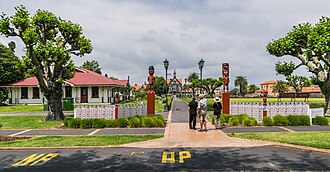
♨️Rotorua Geothermal Sacred Sites
Geothermal hot springs and geysers in the central North Island considered tapu and healing by Māori.
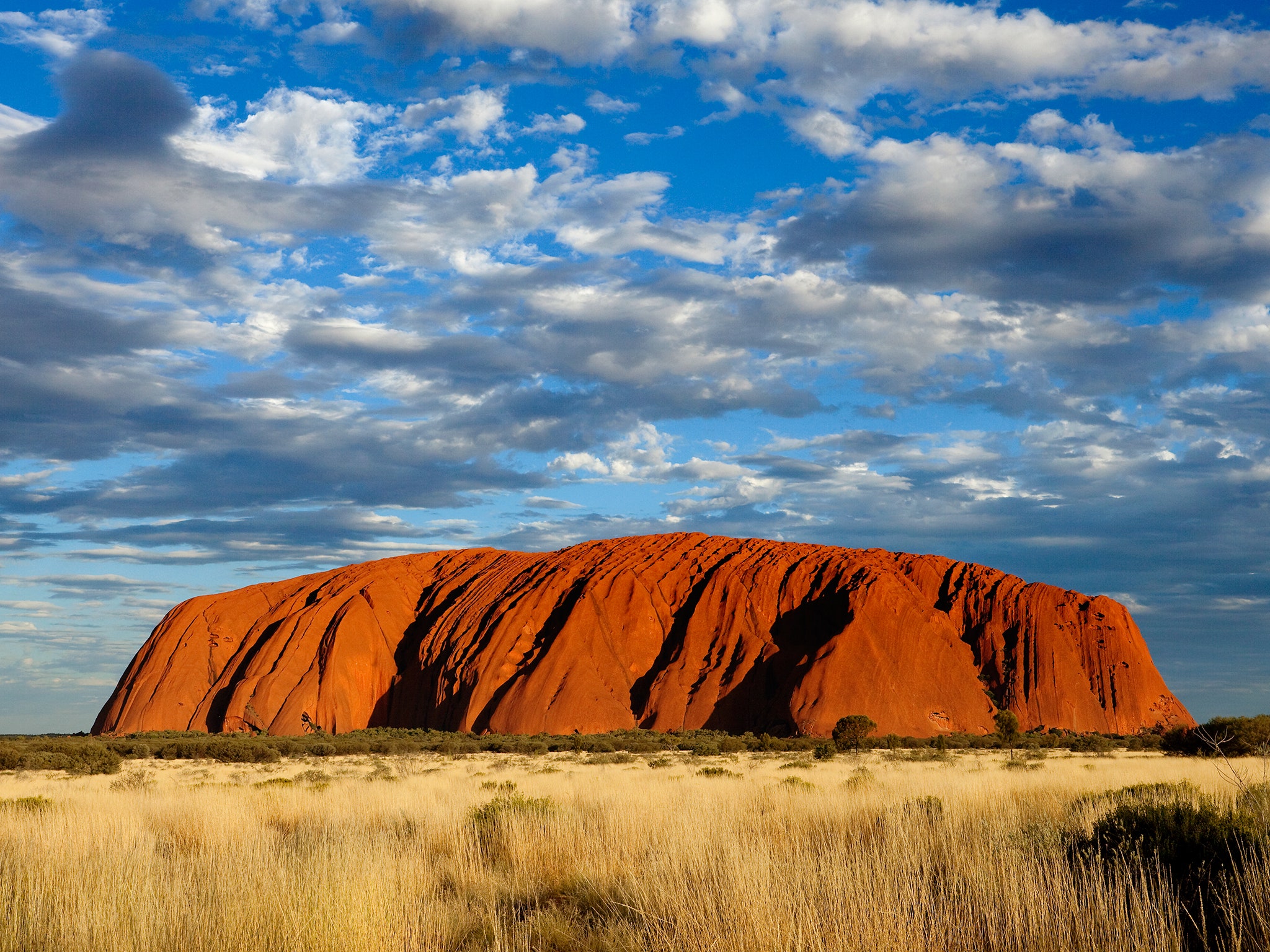
🪨Uluru (Ayers Rock)
A sacred monolith central to Aboriginal Australian creation stories.
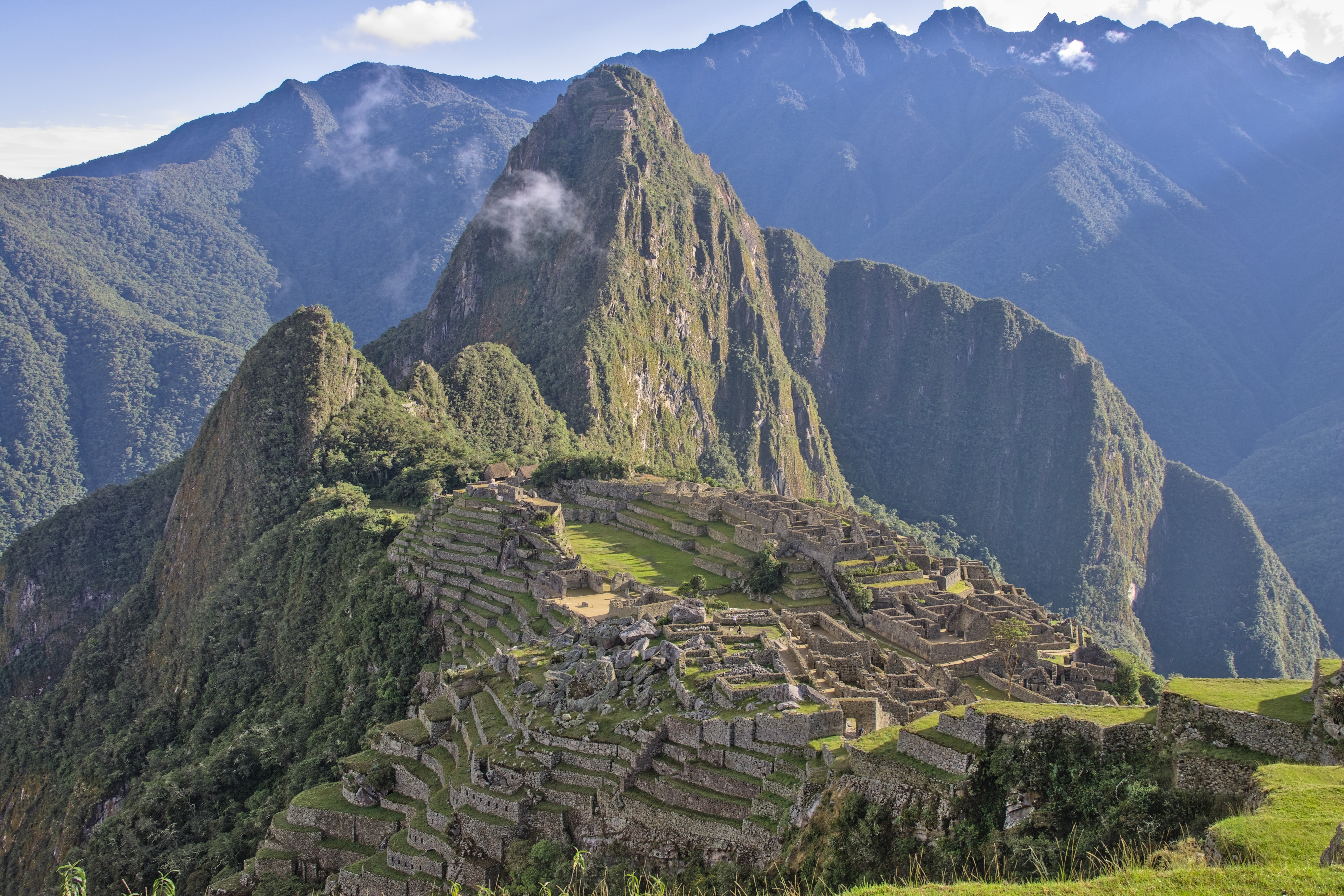
🏔️Machu Picchu
A sacred Inca citadel set high in the Andes, aligned with astronomical events.
🕋Masjid al-Haram (Great Mosque of Mecca)
The holiest site in Islam, home of the Kaaba, and the destination for Hajj pilgrimage.
⛪Vatican City (St. Peter's Basilica)
The spiritual center of Roman Catholicism and home of the Pope.

