
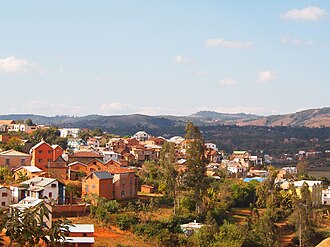
🪵 Ambositra Wood-Carving Village
Madagascar
About This Sacred Site
Ambositra is Madagascar's capital of wood carving, where the Zafimaniry people have elevated woodwork to a sacred art form recognized by UNESCO as Intangible Cultural Heritage. The carved geometric patterns found on houses and objects encode ancestral wisdom, cosmological beliefs, and spiritual protection symbols. Each design carries specific meaning related to fertility, prosperity, or communion with ancestors. The tradition connects the physical and spiritual worlds through the medium of native hardwoods.
History & Origins
Ambositra Wood-Carving Village, located at 1,350 meters elevation in Madagascar's central highlands, dates back to the 15th century as a settlement of the Zafimaniry people, renowned for their woodcraft. This indigenous village became prominent for its unique carved wooden houses and decorative panels, reflecting centuries of artisanal tradition. In 2003, UNESCO inscribed Zafimaniry woodcraft as an Intangible Cultural Heritage, recognizing its cultural significance and the preservation efforts by local carvers. The village's architecture features intricate geometric patterns carved into house beams and doors, which have been maintained and restored by successive generations to withstand the region's climate and cultural shifts.
Spiritual Significance
The carved patterns in Ambositra encode spiritual symbols integral to Zafimaniry cosmology and ancestral knowledge, serving as visual prayers and protective talismans. Rituals connected to woodcarving include offerings to ancestral spirits before felling trees, reflecting a belief in the sanctity of forests and natural elements. The community observes ceremonies during the crafting process, invoking guidance from spiritual leaders to ensure harmony with nature. Pilgrims and visitors are often shown symbolic motifs representing life cycles, fertility, and protection, as documented in oral traditions and local spiritual teachings. The site functions as a living repository of indigenous Malagasy spirituality embodied in its woodcraft.
Key Facts
- •Zafimaniry woodcraft was inscribed by UNESCO as Intangible Cultural Heritage in 2003
- •Carved patterns encode spiritual symbols and ancestral knowledge
- •The town sits at 1,350 meters elevation in Madagascar's highlands
- •Zafimaniry houses are built entirely of wood without nails
- •Designs represent concepts like love, fertility, and unity with nature
Location
Coordinates: -20.5300, 47.2400
Frequently Asked Questions
What religion is Ambositra Wood-Carving Village associated with?▾
Ambositra Wood-Carving Village is a Indigenous holy site located in Madagascar. It was established c. 15th century and is ranked #325 in our global directory of sacred sites.
When was Ambositra Wood-Carving Village established?▾
Ambositra Wood-Carving Village dates back to c. 15th century. Zafimaniry woodcraft was inscribed by UNESCO as Intangible Cultural Heritage in 2003
How many people visit Ambositra Wood-Carving Village each year?▾
Ambositra Wood-Carving Village receives approximately 25,000 visitors per year. Carved patterns encode spiritual symbols and ancestral knowledge
What is Ambositra Wood-Carving Village known for?▾
A highland town where Zafimaniry wood-carving traditions carry deep spiritual meaning. Visitors come seeking ancestral connection, blessings, meditation. The town sits at 1,350 meters elevation in Madagascar's highlands
Related Holy Sites
Sacred places connected by country, religion, and purpose
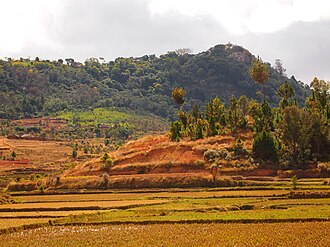
👑Royal Hill of Ambohimanga
A UNESCO-listed sacred hill and royal city of the Merina kings, the spiritual heart of Madagascar.
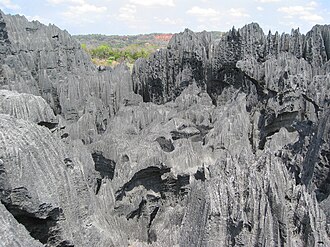
🪨Tsingy de Bemaraha
A UNESCO-listed limestone forest of razor-sharp pinnacles considered sacred by the Malagasy people.
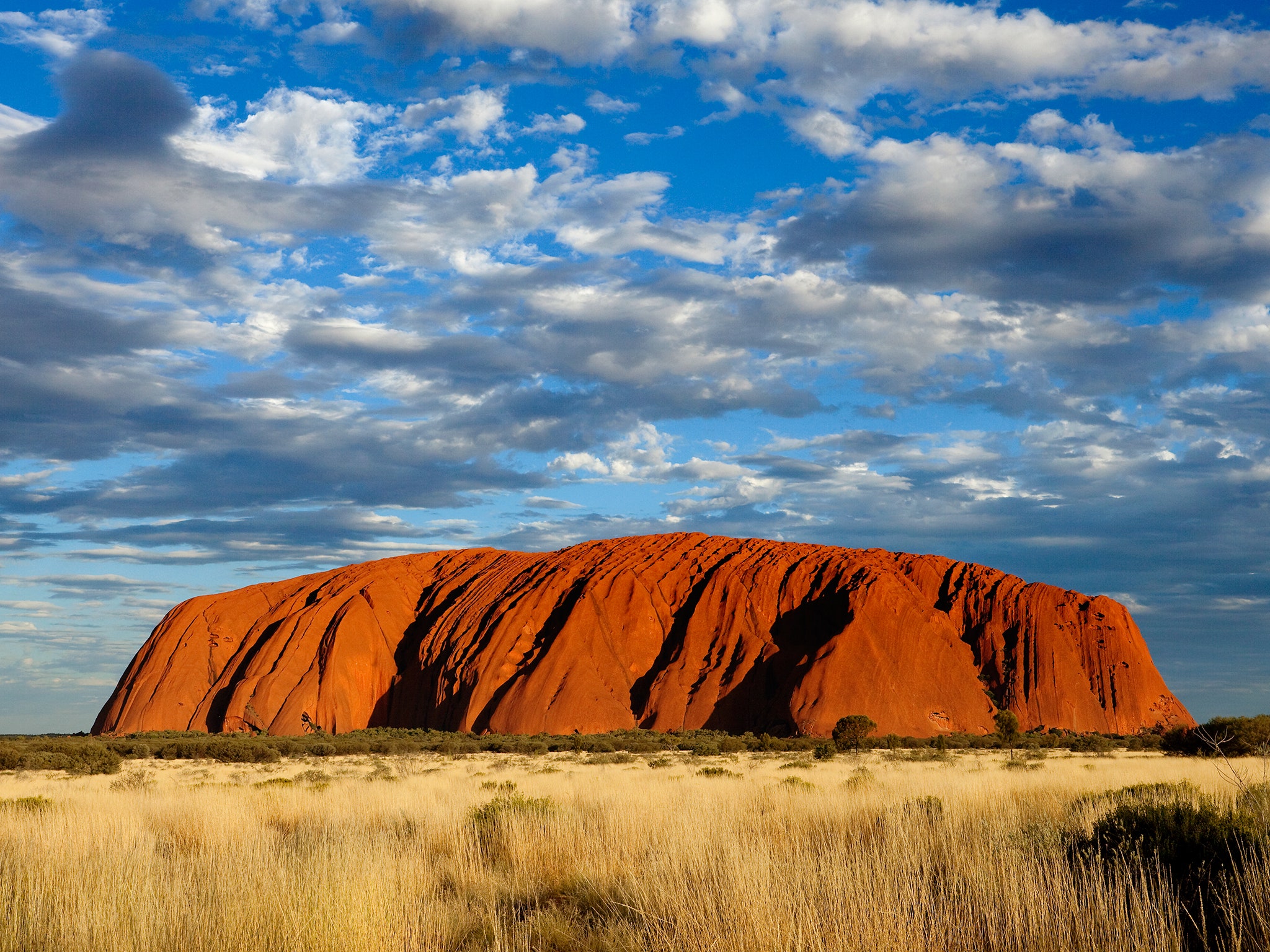
🪨Uluru (Ayers Rock)
A sacred monolith central to Aboriginal Australian creation stories.
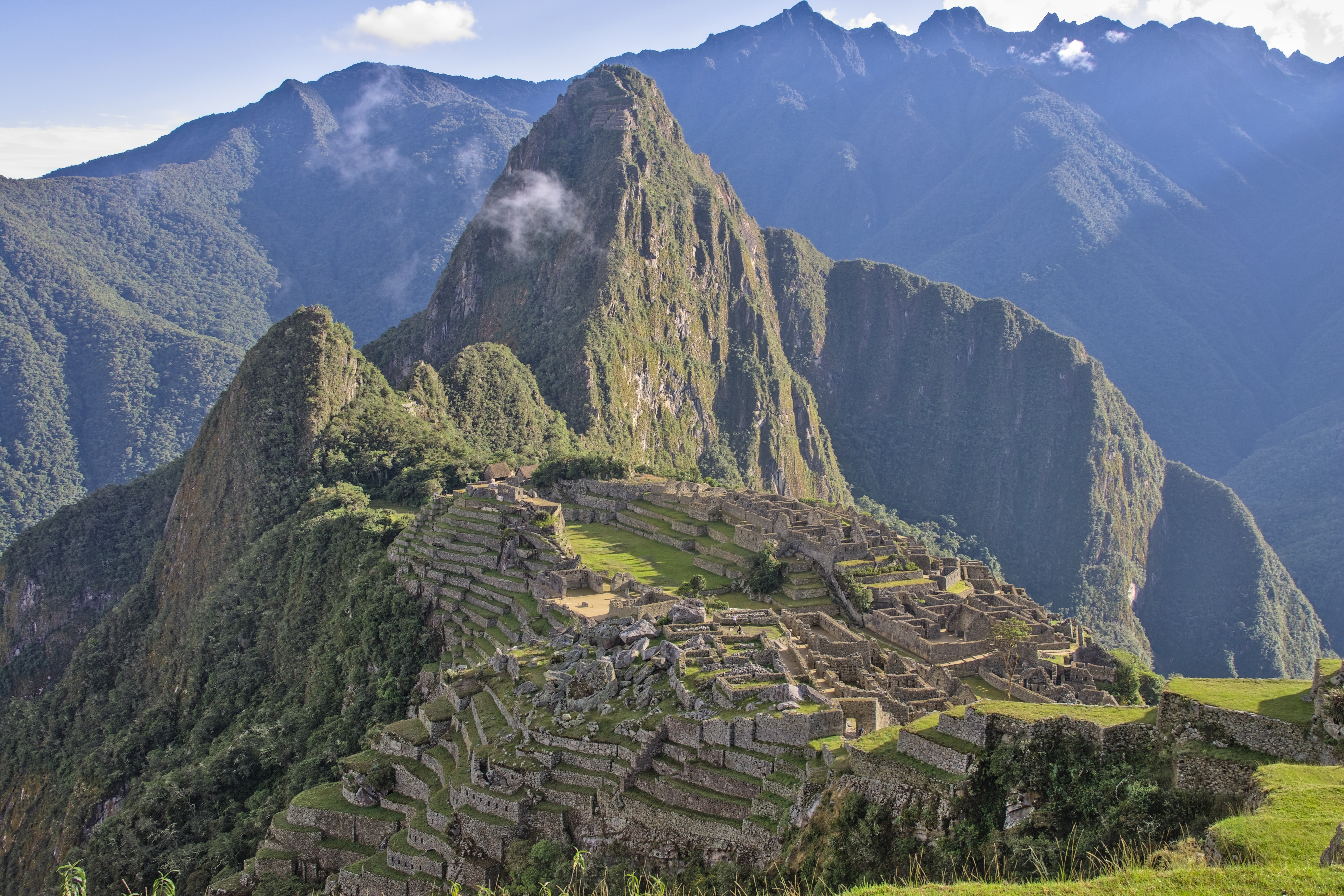
🏔️Machu Picchu
A sacred Inca citadel set high in the Andes, aligned with astronomical events.
⛪Vatican City (St. Peter's Basilica)
The spiritual center of Roman Catholicism and home of the Pope.
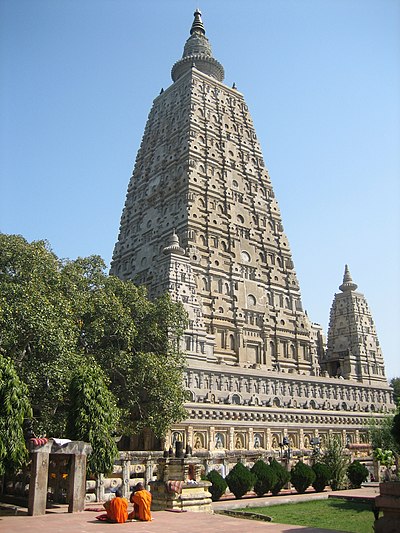
☸️Bodh Gaya (Mahabodhi Temple)
Where Siddhartha Gautama attained enlightenment and became the Buddha.

