
🪨 Tsingy de Bemaraha
Madagascar
About This Sacred Site
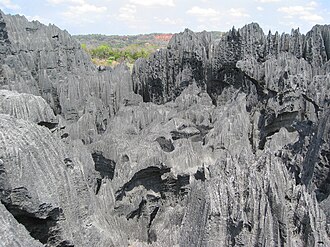
The Tsingy de Bemaraha Strict Nature Reserve is a UNESCO World Heritage Site featuring a vast landscape of needle-like limestone formations rising from the earth like a stone forest. The Malagasy word 'tsingy' means 'where one cannot walk barefoot,' and the formations are considered sacred and spiritually powerful. The Sakalava people regard the tsingy as the dwelling place of ancestral spirits and supernatural beings. The site's otherworldly appearance reinforces its reputation as a threshold between the physical and spiritual worlds.
History & Origins
The Tsingy de Bemaraha Strict Nature Reserve in western Madagascar has been a sanctuary of unique karst limestone formations for millennia, with its origins dating back to ancient geological processes. Local indigenous communities have long regarded the area as sacred, attributing spiritual significance to its dramatic needle-like pinnacles known as "tsingy." Designated a UNESCO World Heritage Site in 1990, the reserve protects an array of endemic flora and fauna adapted to this harsh environment. Conservation efforts have balanced ecological preservation with respect for indigenous cultural practices, maintaining the site’s role as both a natural wonder and a spiritual landscape.
Spiritual Significance
Declared a UNESCO World Heritage Site in 1990, the limestone pinnacles rise up to 70 meters, forming a dramatic karst landscape regarded by the Sakalava people as sacred abodes of ancestral and nature spirits. Pilgrimage rituals focus on specific caves and rock formations believed to house protective entities, with offerings such as fowl and rum presented during annual ceremonies. Traditional healers perform rites invoking the spirits for guidance, and taboos restrict access to certain areas to maintain ritual purity. Oral traditions recount the Tsingy's role as a refuge during intertribal conflicts, further embedding its spiritual importance. The site's unique geomorphology directly influences local cosmology and religious practice.
Key Facts
- •UNESCO World Heritage Site since 1990
- •The limestone pinnacles reach up to 70 meters in height
- •The Sakalava people consider the formations sacred dwelling places of spirits
- •Contains unique endemic species found nowhere else on Earth
- •The landscape was formed by erosion of limestone over millions of years
Location
Coordinates: -18.6667, 44.8167
Frequently Asked Questions
What religion is Tsingy de Bemaraha associated with?▾
Tsingy de Bemaraha is a Indigenous holy site located in Madagascar. It was established c. ancient and is ranked #799 in our global directory of sacred sites.
When was Tsingy de Bemaraha established?▾
Tsingy de Bemaraha dates back to c. ancient. UNESCO World Heritage Site since 1990
How many people visit Tsingy de Bemaraha each year?▾
Tsingy de Bemaraha receives approximately 20,000+ visitors per year. The limestone pinnacles reach up to 70 meters in height
What is Tsingy de Bemaraha known for?▾
A UNESCO-listed limestone forest of razor-sharp pinnacles considered sacred by the Malagasy people. Visitors come seeking spiritual enlightenment, ancestral connection, protection, meditation. The Sakalava people consider the formations sacred dwelling places of spirits
Related Holy Sites
Sacred places connected by country, religion, and purpose
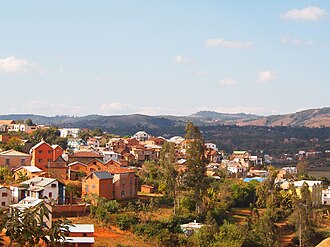
🪵Ambositra Wood-Carving Village
A highland town where Zafimaniry wood-carving traditions carry deep spiritual meaning.
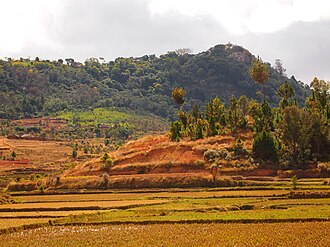
👑Royal Hill of Ambohimanga
A UNESCO-listed sacred hill and royal city of the Merina kings, the spiritual heart of Madagascar.
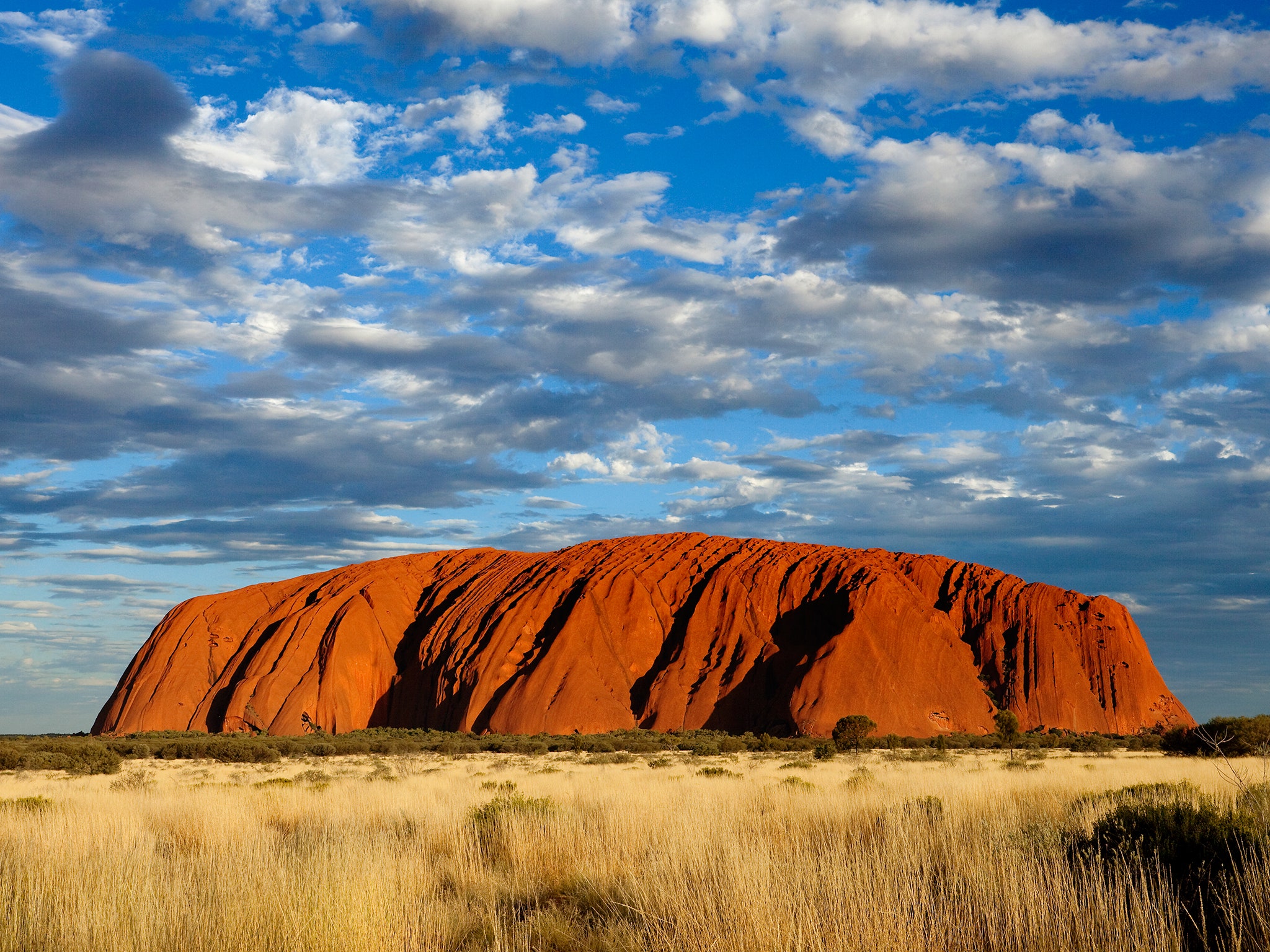
🪨Uluru (Ayers Rock)
A sacred monolith central to Aboriginal Australian creation stories.
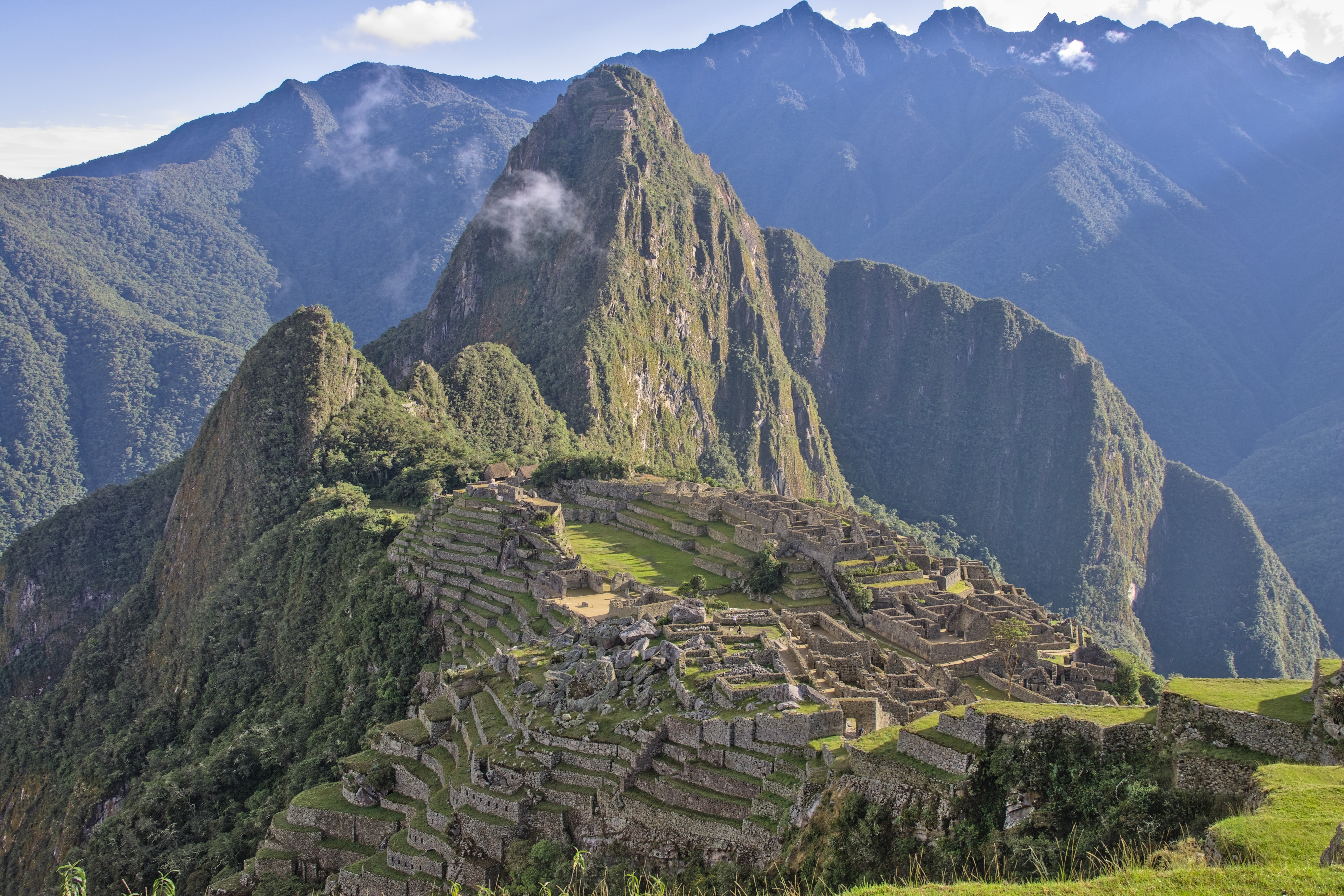
🏔️Machu Picchu
A sacred Inca citadel set high in the Andes, aligned with astronomical events.
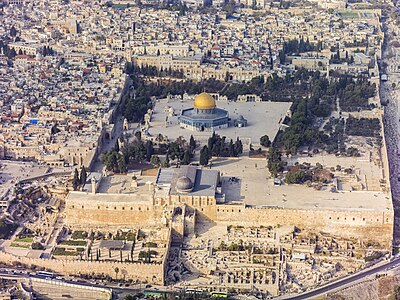
🕌Temple Mount / Al-Aqsa (Jerusalem)
Sacred to Judaism, Christianity, and Islam — the most contested holy site on Earth.
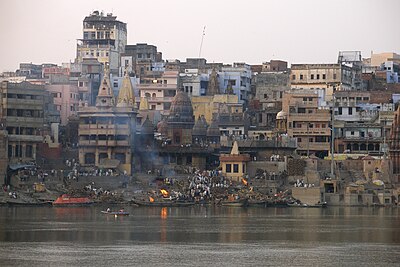
🙏Varanasi (Kashi Vishwanath Temple)
The holiest city in Hinduism, where the Ganges River purifies the soul.

