☸️ Amarbayasgalant Monastery
Mongolia
About This Sacred Site
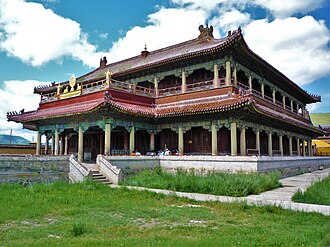
Amarbayasgalant Monastery ('Monastery of Tranquil Felicity') is one of the three largest Buddhist monasteries in Mongolia, located in a remote and stunningly beautiful valley in Selenge Province. Built between 1727 and 1737 to house the remains of Zanabazar, the first Jebtsundamba Khutuktu (spiritual leader of Mongolian Buddhism), the monastery blends Chinese and Mongolian architectural styles. Despite suffering damage during the communist period, many of its original buildings survive, making it one of the best-preserved pre-communist monasteries in Mongolia.
Spiritual Significance
Amarbayasgalant Monastery is dedicated to Zanabazar, the first Jebtsundamba Khutuktu and renowned spiritual leader of Mongolia, whose teachings emphasize the fusion of Tibetan Vajrayana Buddhism and Mongolian shamanistic traditions. The monastery hosts annual commemorations of Zanabazar’s death anniversary, which include chanting of the Prajnaparamita Sutra, reflecting the monastery’s doctrinal focus on wisdom and enlightenment. Its monks engage in ritual debates and meditation practices rooted in the Gelug school of Tibetan Buddhism, which Zanabazar helped propagate. The site is a pilgrimage destination during Tsam festivals, where masked dances reenact cosmological stories and purify negative energies, aligning with tantric Buddhist ceremonial customs. Devotees perform circumambulation (kora) around the temples and stupas, reciting mantras such as "Om Mani Padme Hum" to invoke Avalokiteshvara’s compassion. The monastery's serene setting and preserved 18th-century murals serve as didactic tools for monastic education, reinforcing Buddhist ethical teachings and cosmology within the Mongolian cultural context.
Key Facts
- •One of the three largest monasteries in Mongolia
- •Built between 1727 and 1737 to house the remains of Zanabazar
- •Zanabazar (1635–1723) was the first spiritual leader of Mongolian Buddhism
- •Blends Chinese and Mongolian architectural styles
- •Set in a remote and beautiful valley in Selenge Province
Location
Coordinates: 49.4694, 105.9111
Frequently Asked Questions
What religion is Amarbayasgalant Monastery associated with?▾
Amarbayasgalant Monastery is a Buddhism holy site located in Mongolia. It was established 1727 and is ranked #842 in our global directory of sacred sites.
When was Amarbayasgalant Monastery established?▾
Amarbayasgalant Monastery dates back to 1727. One of the three largest monasteries in Mongolia
How many people visit Amarbayasgalant Monastery each year?▾
Amarbayasgalant Monastery receives approximately 30,000+ visitors per year. Built between 1727 and 1737 to house the remains of Zanabazar
What is Amarbayasgalant Monastery known for?▾
One of Mongolia's three great monasteries, set in a remote valley, blending Chinese and Mongolian styles. Visitors come seeking meditation, peace, spiritual enlightenment, purification. Zanabazar (1635–1723) was the first spiritual leader of Mongolian Buddhism
Related Holy Sites
Sacred places connected by country, religion, and purpose
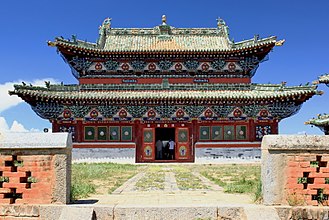
☸️Erdene Zuu Monastery
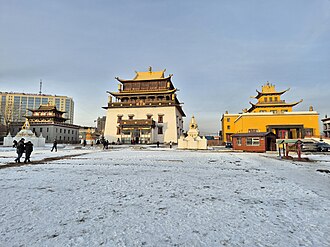
Mongolia's oldest surviving Buddhist monastery, built on the ruins of Genghis Khan's ancient capital.
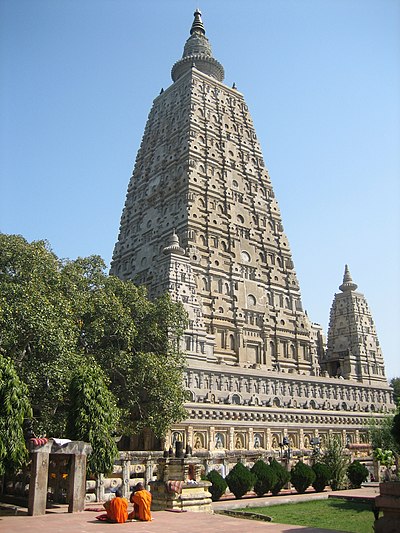
☸️Bodh Gaya (Mahabodhi Temple)
Where Siddhartha Gautama attained enlightenment and became the Buddha.
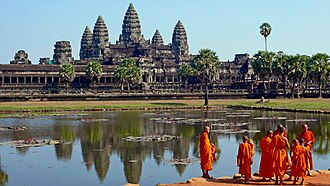
🛕Angkor Wat
The largest religious monument in the world, originally Hindu then Buddhist.