
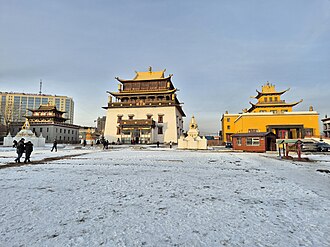
☸️ Gandantegchinlen Monastery (Ulaanbaatar)
Mongolia
About This Sacred Site
Gandantegchinlen Monastery ('Great Place of Complete Joy'), known simply as Gandan, is the largest and most important functioning Buddhist monastery in Mongolia. Located in Ulaanbaatar, it houses a 26.5-meter indoor statue of Avalokiteshvara (Megjid Janraisig), one of the tallest indoor Buddhist statues in the world. The monastery survived the communist era (though its original statue was destroyed and later rebuilt) and serves as the center of Mongolian Buddhist life, with hundreds of monks in residence.
History & Origins
Established in 1838 by the 8th Jebtsundamba Khutuktu, the spiritual head of Mongolian Buddhism, Gandantegchinlen Monastery was built in Ulaanbaatar as a major center of Buddhist learning and practice. The monastery was expanded through the 19th century to include several temples and a monastic school. Its most notable feature is the 26.5-meter-high statue of Avalokiteshvara (Migjid Janraisig), completed in 1913, which was one of the tallest indoor Buddhist statues in the world. During the communist era, the monastery was closed in 1939 and most of its structures were destroyed, but the Avalokiteshvara statue was saved by being relocated to a museum. The monastery was reopened in 1991 after Mongolia's democratic revolution and has since been restored to active religious use. It currently serves as Mongolia's largest and most important operational Buddhist monastery, housing hundreds of monks and hosting key religious ceremonies.
Spiritual Significance
The monastery is the spiritual heart of Mongolian Buddhism, hosting major festivals such as the Tsam dance and Losar (Mongolian New Year), which incorporate ritual performances and prayers invoking Avalokiteshvara’s compassion. The statue of Avalokiteshvara is central to devotional practices, embodying the Bodhisattva ideal of infinite mercy, a core Mahayana Buddhist principle. Daily rituals at the monastery include chanting from the Tibetan Buddhist Kangyur scriptures and performing mandala offerings to promote harmony and enlightenment. Pilgrims often circumambulate the temple complex and prostrate before the statue, acts believed to generate merit and spiritual purification. The monastery’s abbot traditionally holds significant influence in Mongolia’s religious and cultural affairs, guiding monastic education and public religious observances. Gandantegchinlen remains a symbol of Buddhism's resilience through Mongolia's political upheavals and serves as a living repository of Tibetan Buddhist philosophy.
Key Facts
- •Mongolia's largest and most important active Buddhist monastery
- •Houses a 26.5-meter statue of Avalokiteshvara, one of the tallest indoor Buddhist statues
- •The original statue was destroyed during the communist period and rebuilt in 1996
- •Founded in 1838 and survived the communist purges as the only functioning monastery
- •Hundreds of monks reside and study at the monastery complex
Location
Coordinates: 47.9222, 106.8953
Frequently Asked Questions
What religion is Gandantegchinlen Monastery (Ulaanbaatar) associated with?▾
Gandantegchinlen Monastery (Ulaanbaatar) is a Buddhism holy site located in Mongolia. It was established 1838 and is ranked #596 in our global directory of sacred sites.
When was Gandantegchinlen Monastery (Ulaanbaatar) established?▾
Gandantegchinlen Monastery (Ulaanbaatar) dates back to 1838. Mongolia's largest and most important active Buddhist monastery
How many people visit Gandantegchinlen Monastery (Ulaanbaatar) each year?▾
Gandantegchinlen Monastery (Ulaanbaatar) receives approximately 500,000+ visitors per year. Houses a 26.5-meter statue of Avalokiteshvara, one of the tallest indoor Buddhist statues
What is Gandantegchinlen Monastery (Ulaanbaatar) known for?▾
Mongolia's largest and most important active Buddhist monastery, in the heart of Ulaanbaatar. Visitors come seeking spiritual enlightenment, healing, blessings, meditation. The original statue was destroyed during the communist period and rebuilt in 1996
Related Holy Sites
Sacred places connected by country, religion, and purpose
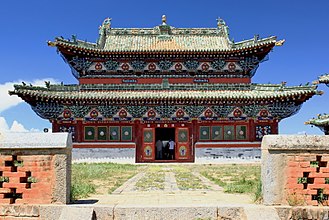
☸️Erdene Zuu Monastery
Mongolia's oldest surviving Buddhist monastery, built on the ruins of Genghis Khan's ancient capital.
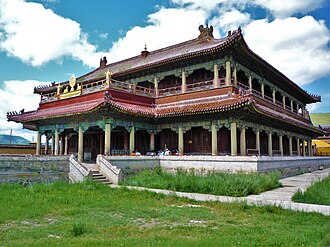
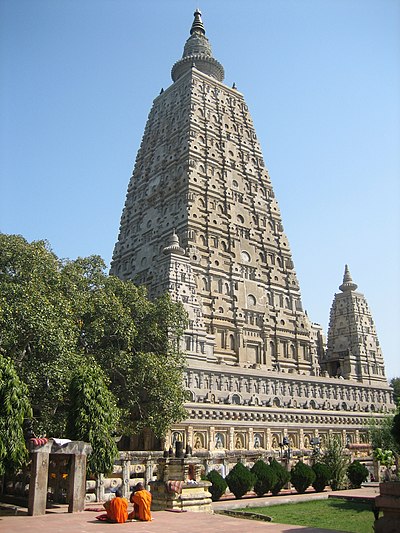
☸️Bodh Gaya (Mahabodhi Temple)
Where Siddhartha Gautama attained enlightenment and became the Buddha.
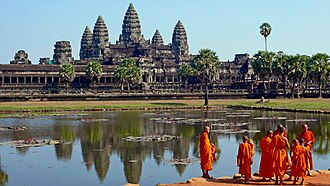
🛕Angkor Wat
The largest religious monument in the world, originally Hindu then Buddhist.
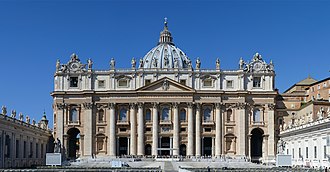
⛪Vatican City (St. Peter's Basilica)
The spiritual center of Roman Catholicism and home of the Pope.
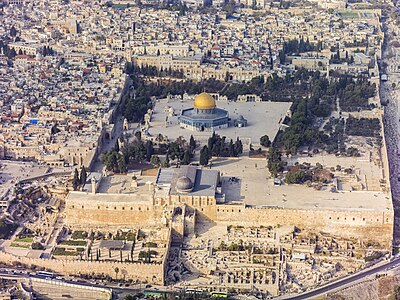
🕌Temple Mount / Al-Aqsa (Jerusalem)
Sacred to Judaism, Christianity, and Islam — the most contested holy site on Earth.

