
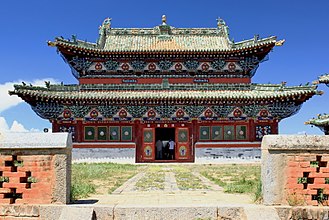
☸️ Erdene Zuu Monastery
Mongolia
About This Sacred Site
Erdene Zuu Monastery is the earliest surviving Buddhist monastery in Mongolia, founded in 1585 by Abtai Sain Khan on the site of Karakorum, the ancient capital of the Mongol Empire. The monastery was built using stones from the ruins of Karakorum and is surrounded by a wall with 108 stupas. At its peak, it housed up to 1,000 monks and over 60 temples. Partially destroyed during the Stalinist purges of the 1930s, the monastery has been restored and active monks have returned since the fall of communism in 1990.
History & Origins
Founded in 1585 by Abtai Sain Khan, a Khalkha Mongol leader who converted to Buddhism, Erdene Zuu Monastery was established on the ruins of Karakorum, the ancient capital of the Mongol Empire. The monastery complex originally contained more than 60 temples, constructed using traditional Mongolian and Tibetan architectural styles. Its enclosing wall features 108 stupas, each symbolizing one of the 108 earthly temptations in Buddhist teaching. The monastery was severely damaged during the Stalinist purges of the 1930s, when many Buddhist monasteries were destroyed across Mongolia. Restoration efforts began in the 1990s, preserving surviving temples and stupas. It remains the oldest surviving Buddhist monastery in Mongolia and was a significant center of Mongolian Buddhism throughout the Qing dynasty. The site was historically a hub for religious education, housing numerous monks and serving as a pilgrimage site for the Khalkha Mongols.
Spiritual Significance
Erdene Zuu serves as a vital pilgrimage center in Mongolian Buddhism, hosting the Tsam dance festival annually, which features ritual masked dances representing deities and demons to purify evil spirits, according to Tibetan Buddhist traditions. The 108 stupas enclosing the monastery represent a tantric mandala, embodying the path to enlightenment as taught in Vajrayana Buddhism. Monks at Erdene Zuu perform daily prayers based on the Kangyur and Tengyur scriptures, central to Tibetan Buddhist doctrine. The monastery honors Zanabazar, the first Jebtsundamba Khutuktu and spiritual leader of Mongolia, whose teachings emphasize compassion and wisdom. Pilgrims circumambulate the stupas clockwise as a meditative practice to accumulate merit, reflecting Mahayana Buddhist beliefs in karma and rebirth. The monastery's status as a surviving religious institution after communist suppression underscores its continuing role in preserving Mongolian cultural identity and Buddhist spirituality.
Key Facts
- •The oldest surviving Buddhist monastery in Mongolia, founded in 1585
- •Built on the site of Karakorum, capital of the Mongol Empire
- •The surrounding wall contains 108 stupas, a sacred number in Buddhism
- •Partially destroyed during the communist purges of the 1930s
- •Active monks have returned since 1990 and the monastery is a functioning place of worship
Location
Coordinates: 47.1969, 102.8431
Frequently Asked Questions
What religion is Erdene Zuu Monastery associated with?▾
Erdene Zuu Monastery is a Buddhism holy site located in Mongolia. It was established 1585 and is ranked #699 in our global directory of sacred sites.
When was Erdene Zuu Monastery established?▾
Erdene Zuu Monastery dates back to 1585. The oldest surviving Buddhist monastery in Mongolia, founded in 1585
How many people visit Erdene Zuu Monastery each year?▾
Erdene Zuu Monastery receives approximately 100,000+ visitors per year. Built on the site of Karakorum, capital of the Mongol Empire
What is Erdene Zuu Monastery known for?▾
Mongolia's oldest surviving Buddhist monastery, built on the ruins of Genghis Khan's ancient capital. Visitors come seeking spiritual enlightenment, meditation, peace, guidance. The surrounding wall contains 108 stupas, a sacred number in Buddhism
Related Holy Sites
Sacred places connected by country, religion, and purpose
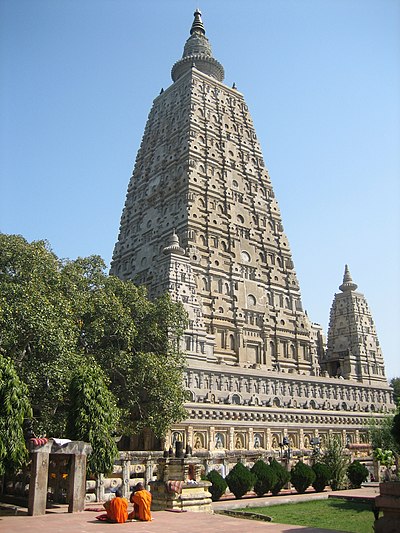
☸️Bodh Gaya (Mahabodhi Temple)
Where Siddhartha Gautama attained enlightenment and became the Buddha.
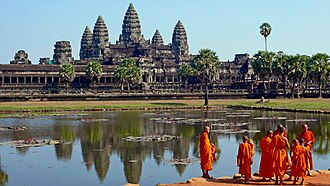
🛕Angkor Wat
The largest religious monument in the world, originally Hindu then Buddhist.
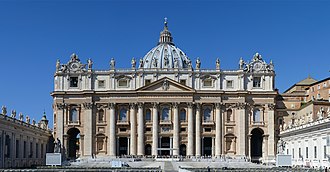
⛪Vatican City (St. Peter's Basilica)
The spiritual center of Roman Catholicism and home of the Pope.

🕌Temple Mount / Al-Aqsa (Jerusalem)
Sacred to Judaism, Christianity, and Islam — the most contested holy site on Earth.

