⛪ Wawel Cathedral (Kraków)
Poland
About This Sacred Site
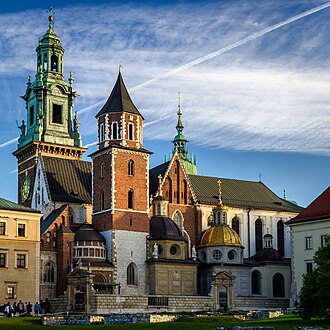
Wawel Cathedral, formally the Cathedral Basilica of Sts. Stanislaus and Wenceslaus, sits atop Wawel Hill in Kraków. For nearly 600 years it served as the coronation and burial church of Polish kings. The present Gothic structure dates to the 14th century, with Renaissance and Baroque chapels added over the centuries. Its Sigismund Bell, cast in 1520, is Poland's most famous bell and is rung only on momentous national occasions.
History & Origins
The origins of Wawel Cathedral date back to the early 11th century, with the current Gothic structure begun in 1364 under Bishop Florian. It was built over earlier Romanesque churches, reflecting Kraków’s status as Poland’s capital and religious center. Throughout centuries, the cathedral underwent expansions, including chapels commissioned by Polish kings and nobility. It was the coronation site for Polish monarchs and the burial place for kings, national heroes, and saints, notably St. Stanislaus. The Sigismund Bell, cast in 1520, is among the largest in Europe. The cathedral witnessed Poland’s turbulent history, symbolizing resilience through partitions and wars. Extensive renovations in the 20th century preserved its architectural and artistic heritage, securing its role as a living monument of Polish identity.
Spiritual Significance
The cathedral served as the coronation site for nearly all Polish monarchs from 1320 to 1764, embedding it deeply in Poland's spiritual and national identity. Pilgrims often visit the royal crypts, which house kings, national heroes, and poets including Adam Mickiewicz, reflecting a tradition of honoring Poland's sacred and cultural heritage. The Sigismund Chapel, completed in 1533, is notable for its Renaissance architecture and serves as a place of prayer for the monarchy and the nation’s protection. Annual celebrations such as the Feast of St. Stanislaus, Poland's patron saint, draw worshippers to the cathedral, linking liturgical observance with national history. The cathedral's altars are dedicated to saints venerated in Polish Catholicism, and its association with the Pauline Fathers since the 16th century has influenced devotional practices, including the chanting of the Liturgy of the Hours. Scriptural readings during major ceremonies frequently include passages from the Book of Kings, symbolizing divine sanction of earthly rulers. The cathedral's location on Wawel Hill, historically a pagan site, signifies the Christianization of Polish lands, making it a focal point for faith and sovereignty.
Key Facts
- •Coronation site of nearly all Polish monarchs from 1320 to 1764
- •Contains the royal crypts housing kings, national heroes, and poets including Adam Mickiewicz
- •The Sigismund Chapel (1533) is considered the finest Renaissance chapel north of the Alps
- •The 11-ton Sigismund Bell (1520) is rung only for events of national importance
- •Pope John Paul II was ordained and celebrated his first Mass in the cathedral's crypt
Location
Coordinates: 50.0540, 19.9352
Frequently Asked Questions
What religion is Wawel Cathedral (Kraków) associated with?▾
Wawel Cathedral (Kraków) is a Christianity holy site located in Poland. It was established 1364 (current structure) and is ranked #604 in our global directory of sacred sites.
When was Wawel Cathedral (Kraków) established?▾
Wawel Cathedral (Kraków) dates back to 1364 (current structure). Coronation site of nearly all Polish monarchs from 1320 to 1764
How many people visit Wawel Cathedral (Kraków) each year?▾
Wawel Cathedral (Kraków) receives approximately 1 million visitors per year. Contains the royal crypts housing kings, national heroes, and poets including Adam Mickiewicz
What is Wawel Cathedral (Kraków) known for?▾
Kraków's royal cathedral where Polish monarchs were crowned and buried for centuries. Visitors come seeking blessings, guidance, ancestral connection, pilgrimage. The Sigismund Chapel (1533) is considered the finest Renaissance chapel north of the Alps
Related Holy Sites
Sacred places connected by country, religion, and purpose
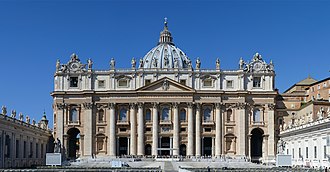
⛪Vatican City (St. Peter's Basilica)
The spiritual center of Roman Catholicism and home of the Pope.
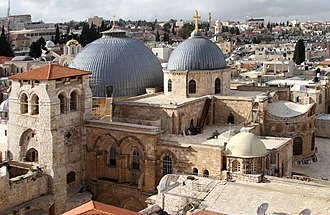
✝️Church of the Holy Sepulchre
The site where Jesus was crucified, buried, and resurrected.