⛪ Chapel of St. Kinga (Wieliczka Salt Mine)
Poland
About This Sacred Site
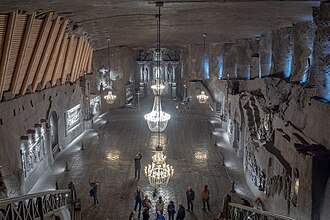
The Chapel of St. Kinga, carved entirely from rock salt inside the Wieliczka Salt Mine near Kraków, is a stunning subterranean sanctuary created between 1896 and 1898 by miners. It features intricate salt sculptures, chandeliers, altars, and religious iconography, all hewn from crystalline salt. This chapel honors St. Kinga, the patron saint of salt miners, and serves as a unique place of worship and tourist attraction. Wieliczka Salt Mine itself is a UNESCO World Heritage Site renowned for its historic mining heritage.
History & Origins
Created in 1896 by miners and sculptors working underground, the Chapel of St. Kinga lies 101 meters below the surface within the Wieliczka Salt Mine, which has been continuously operational since the 13th century. The chapel honors St. Kinga, the 13th-century Hungarian princess credited with bringing salt mining techniques to Poland, with her statue carved from rock salt in 1896 by miner-artists. Over the centuries, the mine has undergone numerous expansions, with the chapel renovated extensively in the 20th century to preserve its intricate salt-carved altarpieces and chandeliers. The mine's unique location beneath the city of Wieliczka allowed it to serve as a refuge during wars, including World War II, when it sheltered civilians and stored art treasures. Recognized as a UNESCO World Heritage Site in 1978, the mine’s chapel continues to be a site of religious services, including annual masses on St. Kinga’s feast day, April 24. The chapel’s floor tiles, sculptures, and reliefs are crafted entirely from halite, reflecting both the miners’ devotion and the natural mineral heritage of the region.
Spiritual Significance
The underground chapel is used regularly for Roman Catholic worship, including the celebration of Mass on St. Kinga’s feast day, April 24, drawing pilgrims and miners who seek blessings for safety and health. Every year, miners participate in a ritual procession descending the mine shafts to the chapel, commemorating centuries-old traditions of invoking St. Kinga’s protection, as recorded in 19th-century mining chronicles. The ornate altarpiece depicts scenes from the life of St. Kinga and the Passion of Christ, integrating Catholic iconography with local miner culture. Salt-carved chandeliers illuminate the space during liturgical celebrations, symbolizing purity and preservation, concepts emphasized in the Book of Leviticus concerning salt as a covenantal element. Pilgrims often leave salt crystals as votive offerings, reflecting beliefs about salt’s protective properties found in early Christian symbolism. The chapel's acoustics allow for Gregorian chant performances, connecting worshippers to medieval liturgical traditions preserved in local monastic communities.
Key Facts
- •Located 101 meters below ground in a mine continuously worked since the 13th century
- •Every element — chandeliers, altarpieces, floor tiles — is carved from rock salt
- •Includes a salt bas-relief recreation of Leonardo da Vinci's Last Supper
- •Miners spent 67 years carving the chapel between 1896 and 1963
- •Wieliczka Salt Mine was inscribed as one of the first UNESCO World Heritage Sites in 1978
Location
Coordinates: 49.9833, 20.0556
Frequently Asked Questions
What religion is Chapel of St. Kinga (Wieliczka Salt Mine) associated with?▾
Chapel of St. Kinga (Wieliczka Salt Mine) is a Christianity holy site located in Poland. It was established 1896 and is ranked #333 in our global directory of sacred sites.
When was Chapel of St. Kinga (Wieliczka Salt Mine) established?▾
Chapel of St. Kinga (Wieliczka Salt Mine) dates back to 1896. Located 101 meters below ground in a mine continuously worked since the 13th century
How many people visit Chapel of St. Kinga (Wieliczka Salt Mine) each year?▾
Chapel of St. Kinga (Wieliczka Salt Mine) receives approximately 1.7 million visitors per year. Every element — chandeliers, altarpieces, floor tiles — is carved from rock salt
What is Chapel of St. Kinga (Wieliczka Salt Mine) known for?▾
A stunning underground chapel carved entirely from rock salt 101 meters below the surface. Visitors come seeking blessings, miracles, protection, healing. Includes a salt bas-relief recreation of Leonardo da Vinci's Last Supper
Related Holy Sites
Sacred places connected by country, religion, and purpose
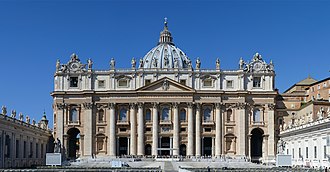
⛪Vatican City (St. Peter's Basilica)
The spiritual center of Roman Catholicism and home of the Pope.
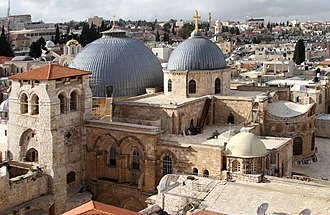
✝️Church of the Holy Sepulchre
The site where Jesus was crucified, buried, and resurrected.