💎 Wat Phra Kaew (Temple of the Emerald Buddha)
Thailand
About This Sacred Site
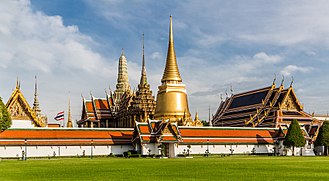
Wat Phra Kaew (Temple of the Emerald Buddha) is Thailand's most sacred Buddhist temple, located within the grounds of the Grand Palace in Bangkok. The temple houses the Emerald Buddha, a 66-centimeter-tall statue carved from a single block of jade, which is Thailand's most revered religious object. The King of Thailand ceremonially changes the statue's golden garments three times a year to correspond with the summer, winter, and rainy seasons. The temple complex is a dazzling display of Thai architecture and craftsmanship, featuring golden spires, intricate mosaics, and murals depicting the Ramakien (the Thai version of the Hindu epic Ramayana). No monks reside at Wat Phra Kaew — it is exclusively a chapel royal.
Spiritual Significance
Wat Phra Kaew, founded in 1782 by King Rama I within the Grand Palace complex, enshrines the Emerald Buddha carved from a single jade stone, considered the palladium of Thailand. The statue's golden garments are ceremonially changed three times annually by the King in ritual ceremonies marking the Thai seasons: summer, rainy, and winter, symbolizing royal protection and agricultural cycles. The temple's intricate murals depict the Ramakien, Thailand's national epic derived from the Hindu Ramayana, serving as didactic spiritual narratives for devotees. Daily ceremonial offerings include incense, flowers, and prayers led by Buddhist monks, emphasizing Theravada doctrines of impermanence and merit-making. Pilgrims and tourists alike circumambulate the Emerald Buddha shrine clockwise three times, a practice rooted in Buddhist ritual purity. The temple's architectural design features a multi-tiered roof adorned with chofahs, mythical Garuda statues, and intricate gold leaf details, all symbolizing Buddhist cosmology and royal authority.
Key Facts
- •Houses the Emerald Buddha, Thailand's most revered religious object (actually carved from jade)
- •The King changes the statue's golden garments three times a year with the seasons
- •Located within the Grand Palace complex, founded in 1782
- •No monks reside here — it functions exclusively as the royal chapel
- •Murals around the cloister depict 178 scenes from the Ramakien epic
Location
Coordinates: 13.7516, 100.4929
Frequently Asked Questions
What religion is Wat Phra Kaew (Temple of the Emerald Buddha) associated with?▾
Wat Phra Kaew (Temple of the Emerald Buddha) is a Buddhism holy site located in Thailand. It was established 1782 and is ranked #476 in our global directory of sacred sites.
When was Wat Phra Kaew (Temple of the Emerald Buddha) established?▾
Wat Phra Kaew (Temple of the Emerald Buddha) dates back to 1782. Houses the Emerald Buddha, Thailand's most revered religious object (actually carved from jade)
How many people visit Wat Phra Kaew (Temple of the Emerald Buddha) each year?▾
Wat Phra Kaew (Temple of the Emerald Buddha) receives approximately 8+ million visitors per year. The King changes the statue's golden garments three times a year with the seasons
What is Wat Phra Kaew (Temple of the Emerald Buddha) known for?▾
Thailand's most sacred temple, housing the revered Emerald Buddha within the Grand Palace. Visitors come seeking blessings, protection, spiritual enlightenment, guidance. Located within the Grand Palace complex, founded in 1782
Related Holy Sites
Sacred places connected by country, religion, and purpose
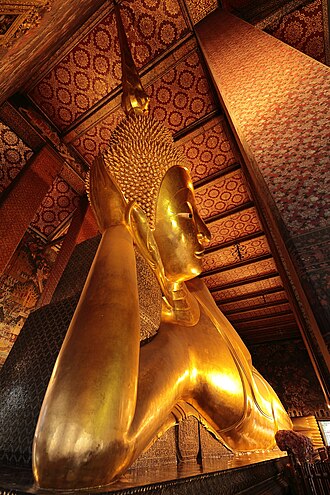
🙏Wat Pho (Temple of the Reclining Buddha)
Home to a 46-meter golden reclining Buddha and the birthplace of Thai massage.
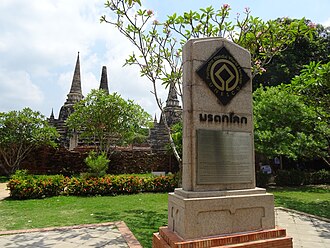
🏛️Ayutthaya Historical Park
The ruins of Thailand's ancient capital, with hundreds of Buddhist temple remains.
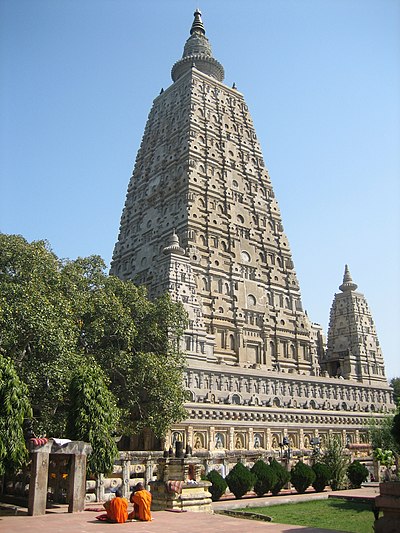
☸️Bodh Gaya (Mahabodhi Temple)
Where Siddhartha Gautama attained enlightenment and became the Buddha.
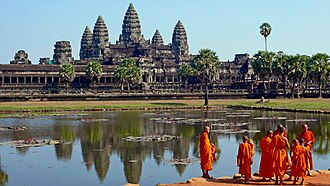
🛕Angkor Wat
The largest religious monument in the world, originally Hindu then Buddhist.