
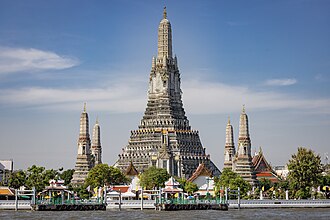
🌅 Wat Arun (Temple of Dawn)
Thailand
About This Sacred Site
Wat Arun (Temple of Dawn) is one of the most visually striking temples in Thailand, standing majestically on the west bank of the Chao Phraya River in Bangkok. Its central prang (tower) rises 82 meters and is adorned with colorful porcelain and seashells that sparkle brilliantly in the sunlight. The temple is named after Aruna, the Hindu god of dawn, because King Taksin arrived here at dawn after the fall of Ayutthaya in 1767 and established it as the site of the royal palace and temple. The intricate floral patterns created from broken Chinese porcelain were originally ballast from trade ships. Wat Arun is featured on the Thai 10-baht coin and is one of the most recognizable symbols of Bangkok.
Spiritual Significance
Wat Arun, rebuilt around 1768 during King Taksin's reign and later enhanced by King Rama II and Rama III, stands on the west bank of the Chao Phraya River, symbolizing Mount Meru from Buddhist cosmology. Its central prang, rising 82 meters, is decorated with intricate mosaics made from colorful Chinese porcelain fragments, originally used as ballast on trading ships, reflecting the integration of trade and religious artistry. The temple is dedicated to Aruna, the Hindu god of dawn, signifying the rising sun and enlightenment in Theravada Buddhism. Pilgrims climb the steep central prang during the annual Royal Kathin ceremony to present saffron robes to monks, reinforcing monastic support and merit-making. The temple's riverside location makes it a focal point during the Loi Krathong festival, where floating lanterns are released to honor the Buddha and the river spirits. Its architectural design emphasizes verticality and light, inspiring contemplation of the Buddhist path toward liberation.
Key Facts
- •The central prang (tower) rises 82 meters, one of the tallest religious structures in Thailand
- •Adorned with colorful porcelain fragments originally used as ballast in Chinese trade ships
- •Named after Aruna, the Hindu god of dawn
- •King Taksin arrived here at dawn in 1767 after the fall of Ayutthaya
- •Featured on the Thai 10-baht coin
Location
Coordinates: 13.7437, 100.4888
Frequently Asked Questions
What religion is Wat Arun (Temple of Dawn) associated with?▾
Wat Arun (Temple of Dawn) is a Buddhism holy site located in Thailand. It was established c. 1768 (current temple), earlier origins and is ranked #550 in our global directory of sacred sites.
When was Wat Arun (Temple of Dawn) established?▾
Wat Arun (Temple of Dawn) dates back to c. 1768 (current temple), earlier origins. The central prang (tower) rises 82 meters, one of the tallest religious structures in Thailand
How many people visit Wat Arun (Temple of Dawn) each year?▾
Wat Arun (Temple of Dawn) receives approximately 4+ million visitors per year. Adorned with colorful porcelain fragments originally used as ballast in Chinese trade ships
What is Wat Arun (Temple of Dawn) known for?▾
Bangkok's iconic riverside temple with a towering prang decorated in colorful porcelain. Visitors come seeking spiritual enlightenment, blessings, peace, guidance. Named after Aruna, the Hindu god of dawn
Related Holy Sites
Sacred places connected by country, religion, and purpose
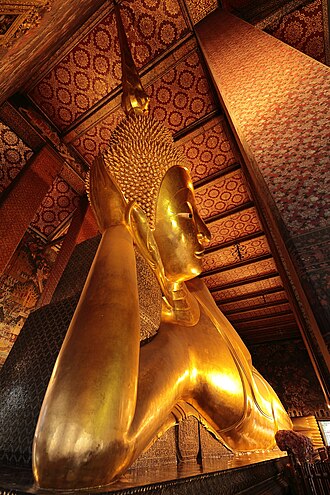
🙏Wat Pho (Temple of the Reclining Buddha)
Home to a 46-meter golden reclining Buddha and the birthplace of Thai massage.
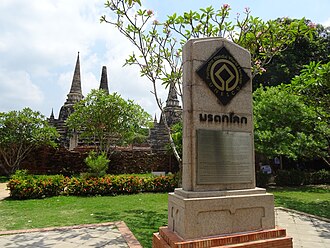
🏛️Ayutthaya Historical Park
The ruins of Thailand's ancient capital, with hundreds of Buddhist temple remains.
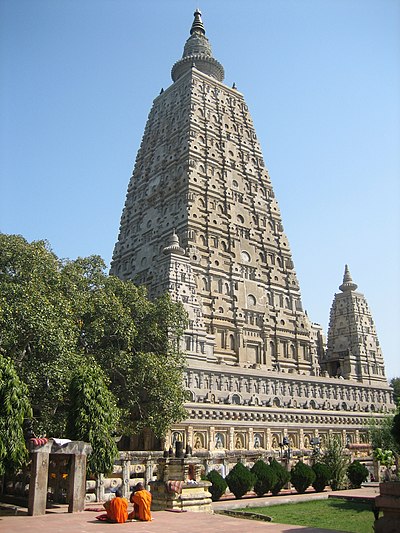
☸️Bodh Gaya (Mahabodhi Temple)
Where Siddhartha Gautama attained enlightenment and became the Buddha.
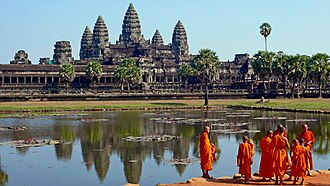
🛕Angkor Wat
The largest religious monument in the world, originally Hindu then Buddhist.
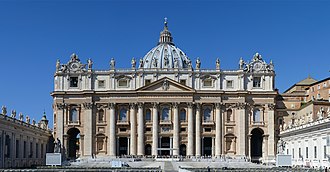
⛪Vatican City (St. Peter's Basilica)
The spiritual center of Roman Catholicism and home of the Pope.
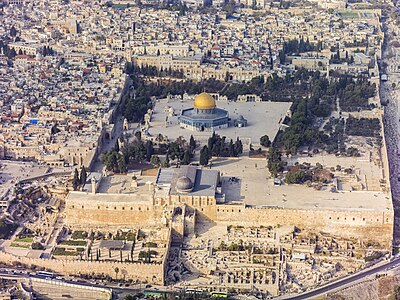
🕌Temple Mount / Al-Aqsa (Jerusalem)
Sacred to Judaism, Christianity, and Islam — the most contested holy site on Earth.

