
🌍 W National Park Sacred Sites
Niger
About This Sacred Site
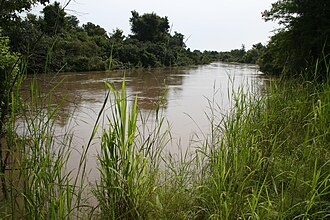
W National Park, named for the double-W shape the Niger River makes through the park, is a UNESCO World Heritage Site spanning Niger, Burkina Faso, and Benin. Within the park, numerous sacred groves, rock formations, and riverside sites hold spiritual significance for surrounding communities. The Djerma, Gourmantche, and other peoples maintain traditions that regard certain areas of the park as abodes of spirits and ancestors. These traditional spiritual protections have contributed significantly to conservation, as taboos against disturbing sacred areas have preserved wildlife habitats for centuries.
History & Origins
W National Park, spanning Niger, Burkina Faso, and Benin, derives its name from the distinctive "W" shape of the Niger River within its boundaries. The park's sacred sites have been integral to indigenous peoples such as the Wama and Gourmantché for millennia, serving as locations for ritual ceremonies and ancestral worship. Established as a protected area in 1954 and later designated a UNESCO World Heritage Site in 1996, the park balances wildlife conservation with cultural preservation. These sacred spaces underscore the interconnectedness of natural and spiritual worlds, reflecting traditional ecological knowledge vital to sustaining the park's rich biodiversity.
Spiritual Significance
The sacred groves within the W National Park, spanning Niger, Benin, and Burkina Faso since its UNESCO inscription in 1996, are protected by spiritual taboos deeply rooted in the animist beliefs of local communities such as the Fulani and Tuareg peoples. For centuries, these groves have served as sites for annual rituals during the Harmattan season, where elders perform libations invoking spirits of the Niger River, named for its distinctive W-shaped double bend. The spiritual leaders, often referred to as marabouts, conduct ceremonies aligned with lunar calendars to honor river deities believed to ensure the fertility of the land and protection of wildlife. Pilgrims from neighboring villages undertake processions timed with the end of the rainy season, engaging in offerings of millet and kola nuts at sacred baobab trees, which are considered the dwelling places of ancestral spirits. Oral traditions recorded among the Songhai mention these sites as places of divine judgment and healing, with specific chants dedicated to the Niger River god Faro. The park's designation as a World Heritage Site has helped preserve these spiritual practices from encroachment, maintaining the ancient connection between ecology and spirituality that dates back thousands of years.
Key Facts
- •UNESCO World Heritage Site spanning three countries
- •Named for the W-shaped double bend of the Niger River
- •Contains sacred groves protected by spiritual taboos
- •Home to West Africa's largest population of elephants
- •Traditional spiritual protections have aided conservation efforts
Location
Coordinates: 12.1167, 2.3833
Frequently Asked Questions
What religion is W National Park Sacred Sites associated with?▾
W National Park Sacred Sites is a Indigenous holy site located in Niger. It was established Ancient and is ranked #688 in our global directory of sacred sites.
When was W National Park Sacred Sites established?▾
W National Park Sacred Sites dates back to Ancient. UNESCO World Heritage Site spanning three countries
How many people visit W National Park Sacred Sites each year?▾
W National Park Sacred Sites receives approximately 10,000 visitors per year. Named for the W-shaped double bend of the Niger River
What is W National Park Sacred Sites known for?▾
A UNESCO biosphere with sacred groves and spiritual sites along the Niger River. Visitors come seeking ancestral connection, protection, purification. Contains sacred groves protected by spiritual taboos
Related Holy Sites
Sacred places connected by country, religion, and purpose
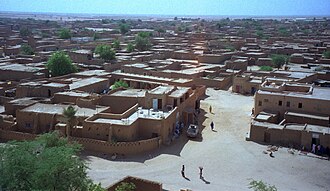
🕌Agadez Grand Mosque
A striking Sudano-Sahelian mud-brick mosque with the tallest minaret of its kind.
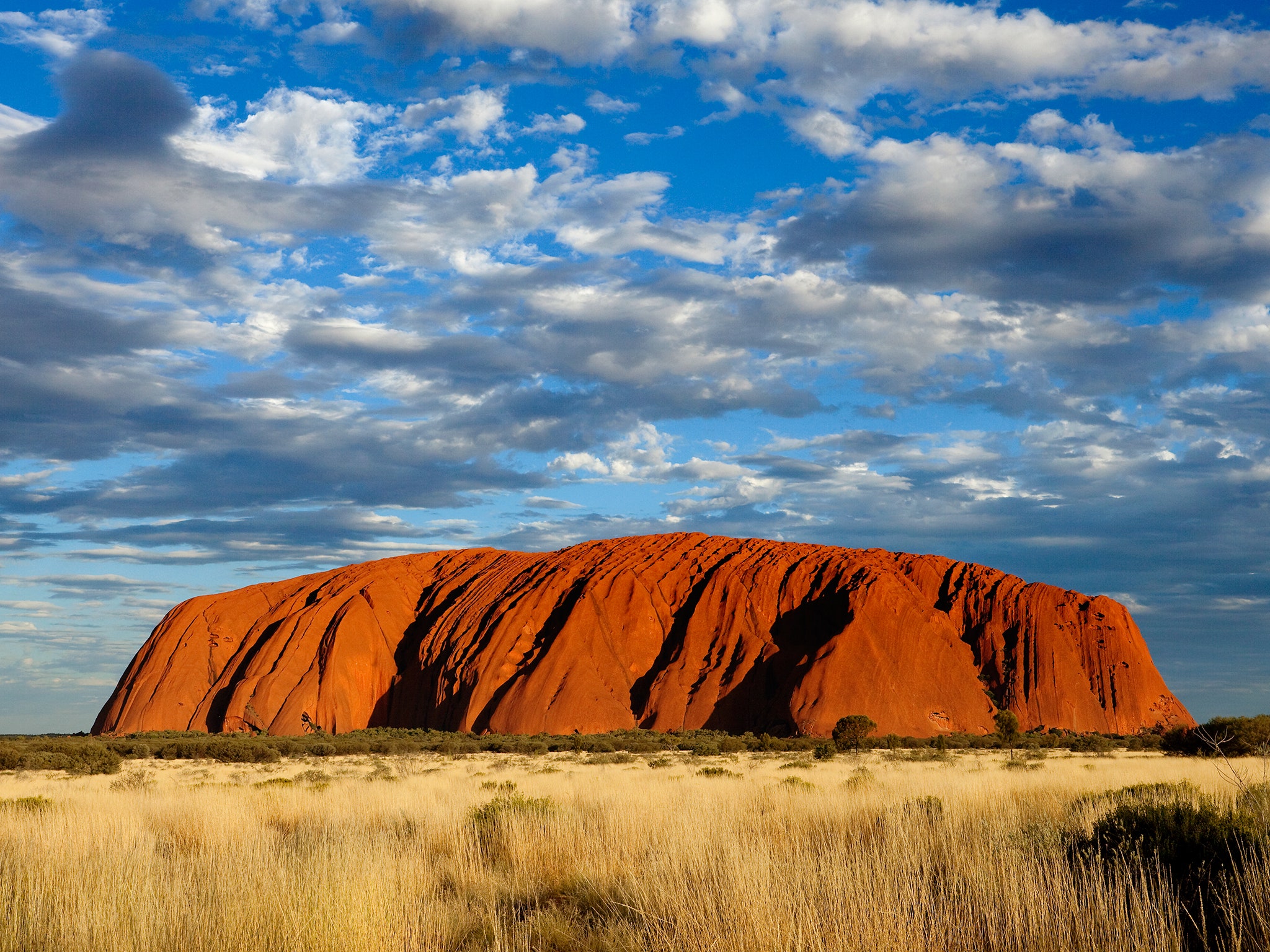
🪨Uluru (Ayers Rock)
A sacred monolith central to Aboriginal Australian creation stories.
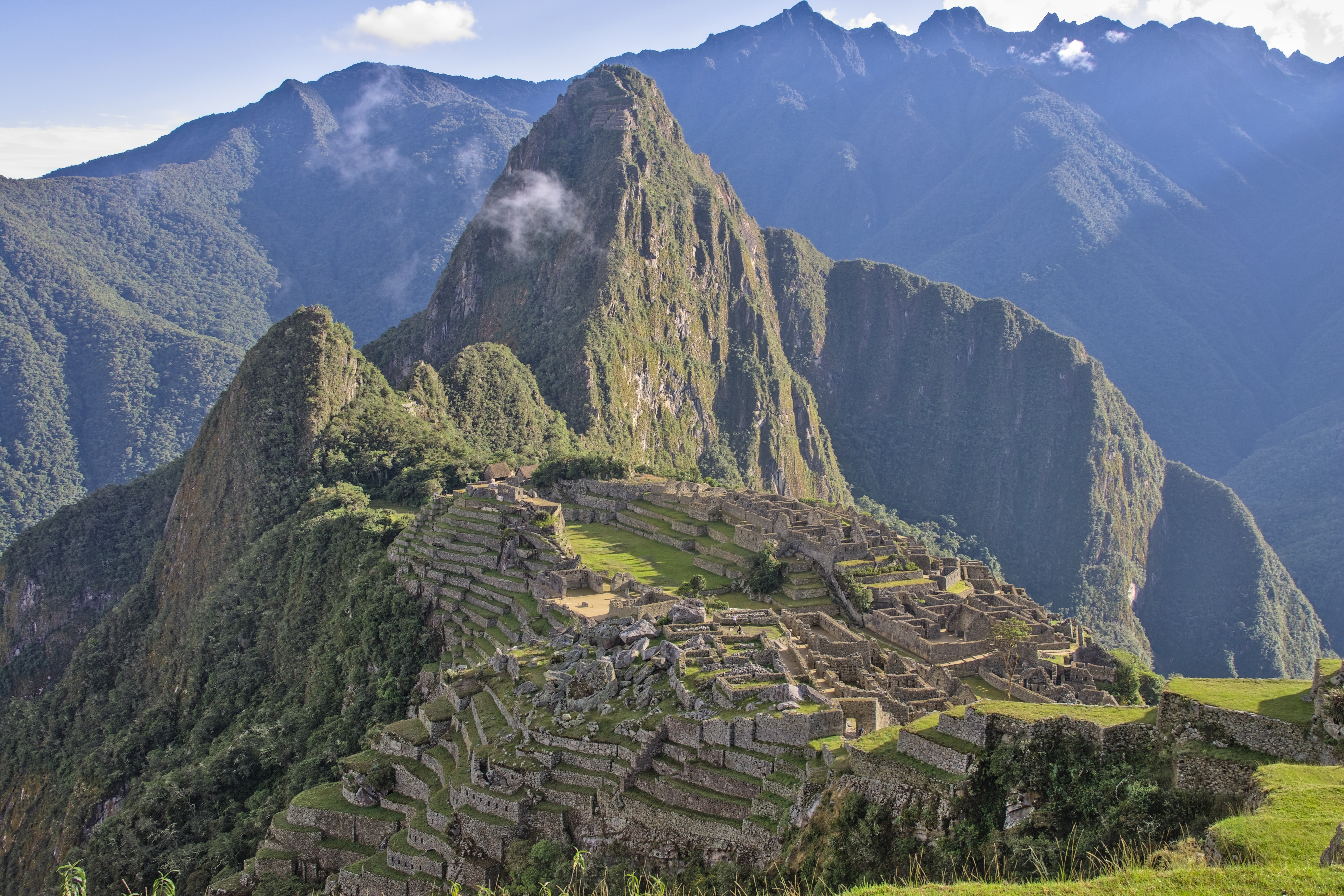
🏔️Machu Picchu
A sacred Inca citadel set high in the Andes, aligned with astronomical events.
🕋Masjid al-Haram (Great Mosque of Mecca)
The holiest site in Islam, home of the Kaaba, and the destination for Hajj pilgrimage.
🙏Varanasi (Kashi Vishwanath Temple)
The holiest city in Hinduism, where the Ganges River purifies the soul.

