⛪ Vilnius Cathedral
Lithuania
About This Sacred Site
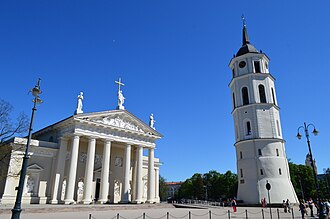
The Cathedral Basilica of St. Stanislaus and St. Ladislaus in Vilnius, Lithuania, serves as the principal Roman Catholic church in the country. Established initially in 1251, the current neoclassical structure was completed in 1783, featuring a grand portico and classical columns. It functions as the spiritual heart of Lithuania, housing numerous chapels, tombs of notable figures, and an extensive collection of religious art. Its location on Cathedral Square makes it central to Vilnius’ cultural and religious life.
Spiritual Significance
Built on the site of a pagan temple where King Mindaugas was baptized in 1251, Vilnius Cathedral embodies the Christianization of Lithuania, the last pagan nation in Europe. The Chapel of St. Casimir contains the silver sarcophagus of Lithuania's patron saint, whose feast day on March 4 inspires pilgrimages and special liturgies emphasizing saintly intercession. The neoclassical structure, completed in 1783 by architect Laurynas Gucevičius, incorporates symbolic elements such as Corinthian columns representing divine order and a bell tower historically used to call the faithful to prayer in accordance with canonical hours. The cathedral hosts the annual Feast of the Assumption on August 15, featuring processions and the singing of the Litany of the Blessed Virgin Mary. The crypt holds remains of Lithuanian grand dukes, linking national heritage with religious identity. The cathedral's role in hosting ordinations and ecumenical gatherings reflects its theological importance in the Lithuanian Roman Catholic Church and its commitment to preserving apostolic succession.
Key Facts
- •Built on the site of a pagan temple where King Mindaugas was baptized in 1251
- •The Chapel of St. Casimir contains the silver sarcophagus of Lithuania's patron saint
- •The neoclassical design (1783) by Laurynas Gucevičius is modeled on a Greek temple
- •The cathedral was used as a warehouse and art gallery during the Soviet occupation
- •The famous 'Stebuklas' (Miracle) tile in Cathedral Square is said to grant wishes when turned upon
Location
Coordinates: 54.6858, 25.2877
Frequently Asked Questions
What religion is Vilnius Cathedral associated with?▾
Vilnius Cathedral is a Christianity holy site located in Lithuania. It was established 1251 (current structure 1783) and is ranked #630 in our global directory of sacred sites.
When was Vilnius Cathedral established?▾
Vilnius Cathedral dates back to 1251 (current structure 1783). Built on the site of a pagan temple where King Mindaugas was baptized in 1251
How many people visit Vilnius Cathedral each year?▾
Vilnius Cathedral receives approximately 600,000 visitors per year. The Chapel of St. Casimir contains the silver sarcophagus of Lithuania's patron saint
What is Vilnius Cathedral known for?▾
The principal Roman Catholic cathedral of Lithuania, built on the site of a pagan temple. Visitors come seeking blessings, guidance, pilgrimage, protection. The neoclassical design (1783) by Laurynas Gucevičius is modeled on a Greek temple
Related Holy Sites
Sacred places connected by country, religion, and purpose
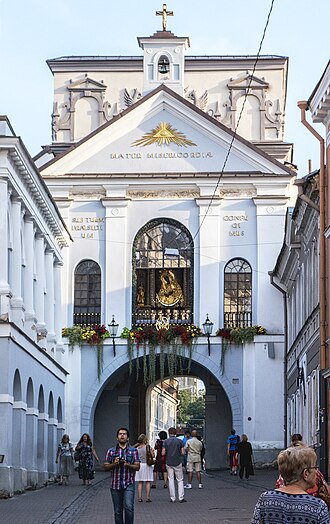
⛪Gate of Dawn (Vilnius)
A surviving medieval city gate in Vilnius housing a miracle-working icon of the Blessed Virgin Mary.
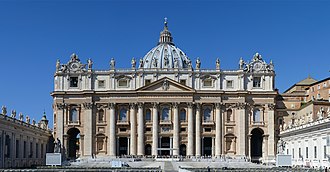
⛪Vatican City (St. Peter's Basilica)
The spiritual center of Roman Catholicism and home of the Pope.
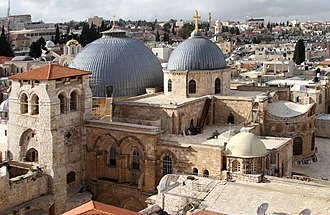
✝️Church of the Holy Sepulchre
The site where Jesus was crucified, buried, and resurrected.