⛪ Gate of Dawn (Vilnius)
Lithuania
About This Sacred Site
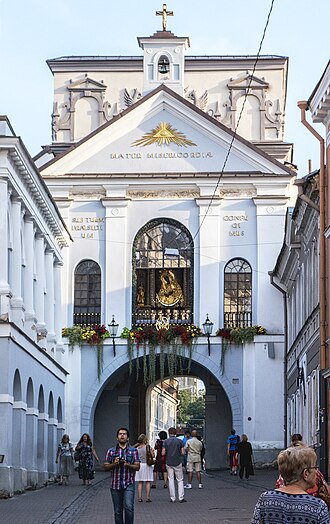
The Gate of Dawn (Aušros Vartai) in Vilnius, Lithuania, is the only remaining gate from the city’s medieval fortifications, dating back to 1522. Above the gate sits a 17th-century chapel that houses the revered icon of the Virgin Mary of the Gate of Dawn, believed to have miraculous powers. The site is an important pilgrimage destination for Catholics and Orthodox Christians alike. Architecturally, the gate combines defensive elements with Baroque religious art, integrating Vilnius’ historical and spiritual heritage.
History & Origins
The Gate of Dawn in Vilnius was constructed in 1522 as one of the six defensive city gates during the reign of Sigismund I the Old of Poland-Lithuania. It is the only surviving gate from the original five that once pierced the 16th-century city walls, with the others dismantled in the early 19th century during Russian Imperial rule. In the 17th century, a chapel was built above the gate to house the revered icon of Our Lady of the Gate of Dawn, believed to have been painted in the early 17th century. The gate was a key defensive structure during the 1655 Siege of Vilnius by the Russian army. Renovations in the 19th century preserved its Renaissance-Baroque style, and post-World War II restorations maintained its religious function despite Soviet restrictions. The gate was declared a cultural monument of Lithuania in 1990 and continues to be a focal point of Vilnius' Old Town heritage.
Spiritual Significance
The icon of Our Lady of the Gate of Dawn, housed in the chapel since the 17th century, is venerated by both Roman Catholic and Eastern Orthodox Christians, making it a unique ecumenical symbol in Lithuania. Pilgrims traditionally approach the icon to seek protection and healing, often lighting candles and praying the Rosary or the Akathist Hymn dedicated to the Mother of God. The feast day on November 16 marks the anniversary of the icon's arrival in Vilnius and attracts thousands of worshippers annually. The icon is linked to numerous local miracles and is referenced in the Catechism of the Catholic Church as a representation of Mary as Protector. The chapel's small altar is often crowded with votive offerings, reflecting deep local devotion rooted in both Lithuanian national identity and religious tradition.
Key Facts
- •The only surviving gate of the five that once pierced Vilnius's 16th-century city walls
- •The icon of Our Lady of the Gate of Dawn is venerated by both Catholics and Orthodox Christians
- •The Renaissance-era painting of the Virgin is covered in a golden riza (metal covering) with only the face and hands visible
- •Pope John Paul II prayed at the Gate of Dawn during his 1993 visit to Lithuania
- •The chapel above the gate has been a pilgrimage site since at least the 17th century
Location
Coordinates: 54.6738, 25.2891
Frequently Asked Questions
What religion is Gate of Dawn (Vilnius) associated with?▾
Gate of Dawn (Vilnius) is a Christianity holy site located in Lithuania. It was established 1522 (chapel 17th century) and is ranked #725 in our global directory of sacred sites.
When was Gate of Dawn (Vilnius) established?▾
Gate of Dawn (Vilnius) dates back to 1522 (chapel 17th century). The only surviving gate of the five that once pierced Vilnius's 16th-century city walls
How many people visit Gate of Dawn (Vilnius) each year?▾
Gate of Dawn (Vilnius) receives approximately 400,000 visitors per year. The icon of Our Lady of the Gate of Dawn is venerated by both Catholics and Orthodox Christians
What is Gate of Dawn (Vilnius) known for?▾
A surviving medieval city gate in Vilnius housing a miracle-working icon of the Blessed Virgin Mary. Visitors come seeking healing, miracles, protection, pilgrimage. The Renaissance-era painting of the Virgin is covered in a golden riza (metal covering) with only the face and hands visible
Related Holy Sites
Sacred places connected by country, religion, and purpose
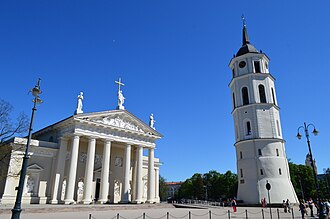
⛪Vilnius Cathedral
The principal Roman Catholic cathedral of Lithuania, built on the site of a pagan temple.
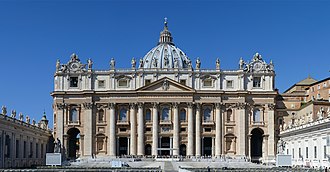
⛪Vatican City (St. Peter's Basilica)
The spiritual center of Roman Catholicism and home of the Pope.
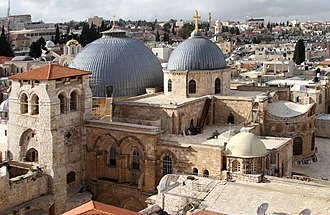
✝️Church of the Holy Sepulchre
The site where Jesus was crucified, buried, and resurrected.