🌊 Victoria Falls (Mosi-oa-Tunya)
Zambia
About This Sacred Site
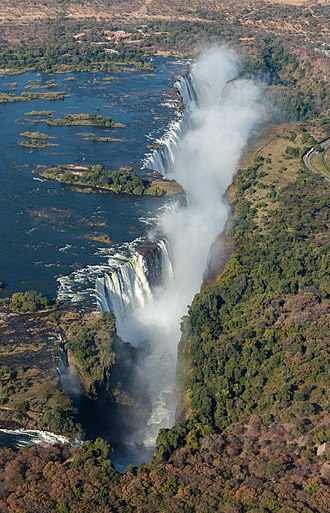
Victoria Falls, known locally as Mosi-oa-Tunya ('The Smoke that Thunders'), is one of the largest and most spectacular waterfalls in the world and a UNESCO World Heritage Site. The falls are sacred to the Tonga, Lozi, and other local peoples, who have long regarded the site as the dwelling place of powerful spirits. The perpetual mist rising from the falls was believed to be the breath of a supernatural being, and traditional ceremonies were conducted to honor the spirits of the water. The rain forest created by the spray is considered spiritually significant.
Spiritual Significance
Victoria Falls, known locally as Mosi-oa-Tunya or "The Smoke that Thunders," has been a sacred site for indigenous Tonga and Lozi peoples for centuries, with spiritual practices dating back to ancient times. The falls' dramatic width of 1,708 meters and height of up to 108 meters inspire rituals honoring Nyami Nyami, the river god associated with the Zambezi River. Annual ceremonies involve offerings of traditional beer and animal sacrifices to seek protection from natural disasters and ensure community well-being. The site is central to rainmaking rituals and serves as a pilgrimage destination during the dry season when the river's flow diminishes. Oral traditions recount that the spirit of the falls governs fertility and balance in nature, with elders conducting storytelling and ritual performances at designated sacred groves nearby. The falls were designated a UNESCO World Heritage Site in 1989, recognizing both their natural grandeur and enduring cultural importance.
Key Facts
- •UNESCO World Heritage Site since 1989
- •The falls are 1,708 meters wide and up to 108 meters high
- •The Kololo name 'Mosi-oa-Tunya' means 'The Smoke that Thunders'
- •Local peoples conducted spiritual ceremonies at the falls for centuries
- •The spray can be seen from over 50 km away, creating a permanent rain forest
Location
Coordinates: -17.9244, 25.8567
Frequently Asked Questions
What religion is Victoria Falls (Mosi-oa-Tunya) associated with?▾
Victoria Falls (Mosi-oa-Tunya) is a Indigenous holy site located in Zambia. It was established c. ancient and is ranked #263 in our global directory of sacred sites.
When was Victoria Falls (Mosi-oa-Tunya) established?▾
Victoria Falls (Mosi-oa-Tunya) dates back to c. ancient. UNESCO World Heritage Site since 1989
How many people visit Victoria Falls (Mosi-oa-Tunya) each year?▾
Victoria Falls (Mosi-oa-Tunya) receives approximately 1+ million visitors per year. The falls are 1,708 meters wide and up to 108 meters high
What is Victoria Falls (Mosi-oa-Tunya) known for?▾
The world's largest waterfall, called 'The Smoke that Thunders,' sacred to the Tonga and Lozi peoples. Visitors come seeking purification, spiritual enlightenment, ancestral connection, healing. The Kololo name 'Mosi-oa-Tunya' means 'The Smoke that Thunders'
Related Holy Sites
Sacred places connected by country, religion, and purpose
🏛️Shiwa Ng'andu
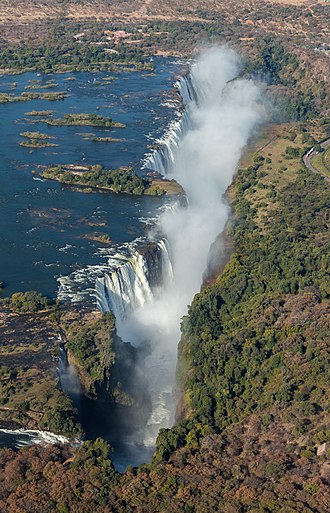
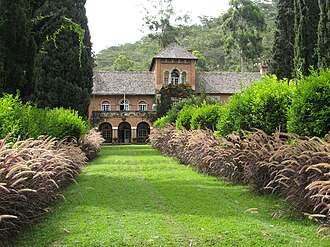
A colonial-era estate on Lake Shiwa with deep spiritual significance for the Bemba people.
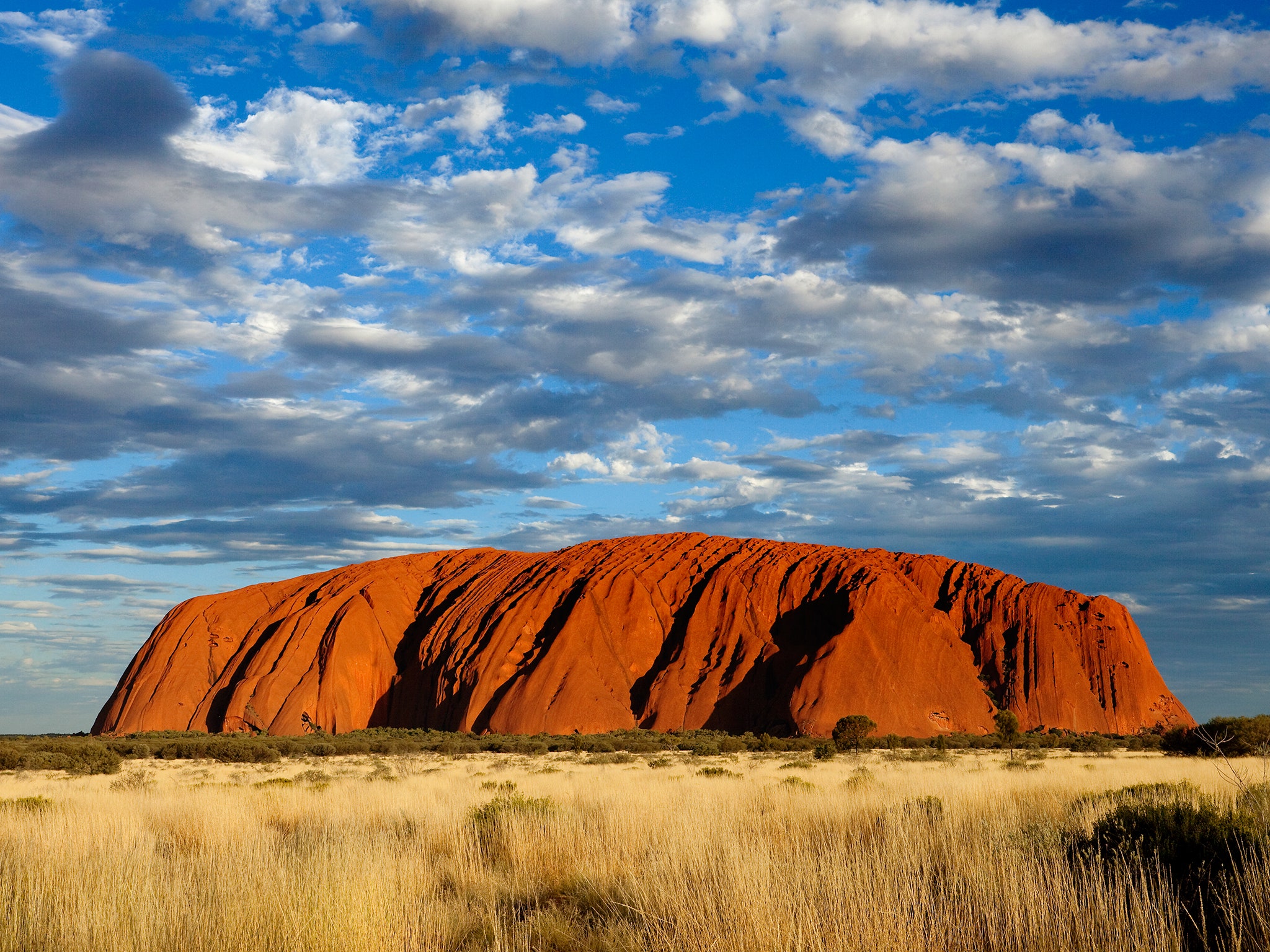
🪨Uluru (Ayers Rock)
A sacred monolith central to Aboriginal Australian creation stories.
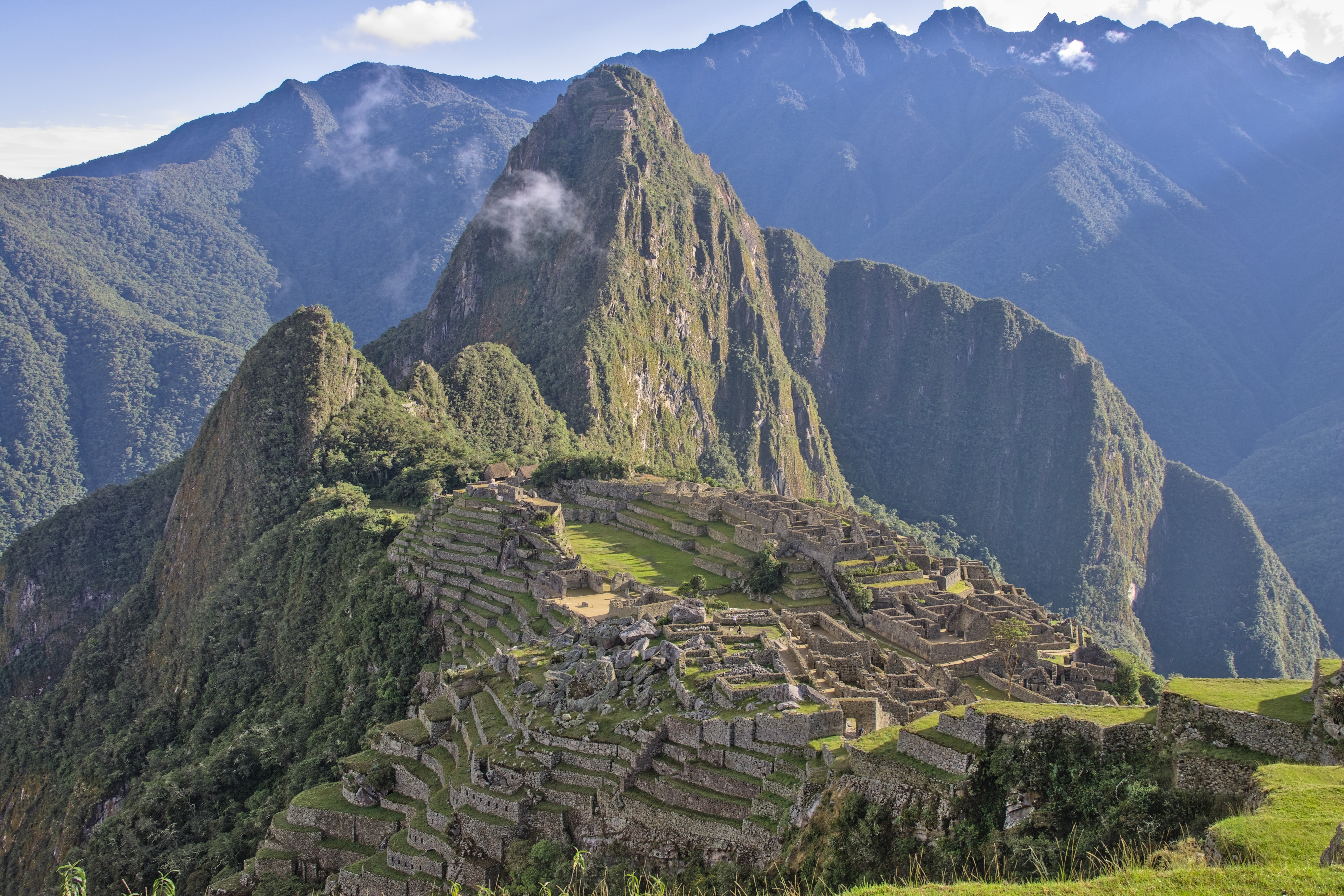
🏔️Machu Picchu
A sacred Inca citadel set high in the Andes, aligned with astronomical events.