⛪ Uspenski Cathedral (Helsinki)
Finland
About This Sacred Site
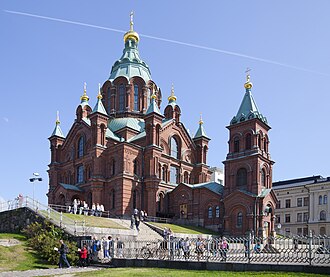
Uspenski Cathedral in Helsinki, Finland, is the largest Orthodox church in Western Europe, perched on the Katajanokka peninsula overlooking the harbor. Completed in 1868, it exemplifies Russian Byzantine architectural style with its red brick façade, multiple onion domes, and gilded cupolas. The cathedral is dedicated to the Dormition of the Theotokos (the Virgin Mary) and contains icons and relics important to Finnish Orthodox Christians. It serves as a major religious center for the Orthodox minority in Finland and is a prominent tourist attraction celebrated for its striking architecture and panoramic views of the city.
History & Origins
Construction began in 1862 and was completed in 1868, commissioned by the Russian Empire during Finland's status as a Grand Duchy. Designed by the Russian architect Alexei Gornostaev, who died before its completion, the cathedral's design reflects traditional Byzantine-Russian ecclesiastical architecture, with eleven golden onion domes symbolizing Jesus Christ and the Twelve Apostles. The cathedral underwent major renovations in the 1950s and again in the early 2000s to restore its red brick facade and gilded cupolas. It was consecrated on October 25, 1868, by Archbishop Arseny of the Russian Orthodox Church. The site has witnessed significant historical moments, including the transition of Finland from Russian control to independence in 1917, after which the cathedral became a symbol of the Finnish Orthodox minority's heritage. Its bell tower was restored in 2009 to improve acoustics and preserve the historic bells dating back to the 19th century.
Spiritual Significance
As the largest Orthodox church in Western Europe, the cathedral is a major pilgrimage destination during Orthodox feast days such as Easter and the Dormition of the Theotokos on August 15. It houses revered icons, including the icon of the Virgin of Kazan, which attracts devotees seeking intercession. The liturgical services follow the Byzantine Rite, with daily Vespers and Divine Liturgy conducted by the Finnish Orthodox Diocese clergy. The cathedral's feast day is celebrated on November 21, commemorating the Presentation of the Virgin Mary, with processions and traditional chants in Church Slavonic. Pilgrims often participate in the sacrament of confession held in the cathedral's chapels, aligning with Orthodox teachings on repentance. The cathedral also preserves relics of Saint Herman of Alaska, reflecting the transnational spiritual connections of the Orthodox Church. Its iconostasis, crafted in the 19th century, is central to worship, illustrating key biblical scenes that guide congregants in contemplation and prayer.
Key Facts
- •The largest Orthodox church in Western Europe
- •Built in 1868 during Finland's time as a Grand Duchy of the Russian Empire
- •Designed by Russian architect Alexei Gornostaev in the Russian-Byzantine style
- •The 13 cupolas represent Christ and the 12 apostles
- •Bricks were partially sourced from the demolished Bomarsund fortress in the Åland Islands
Location
Coordinates: 60.1685, 24.9596
Frequently Asked Questions
What religion is Uspenski Cathedral (Helsinki) associated with?▾
Uspenski Cathedral (Helsinki) is a Christianity holy site located in Finland. It was established 1868 and is ranked #605 in our global directory of sacred sites.
When was Uspenski Cathedral (Helsinki) established?▾
Uspenski Cathedral (Helsinki) dates back to 1868. The largest Orthodox church in Western Europe
How many people visit Uspenski Cathedral (Helsinki) each year?▾
Uspenski Cathedral (Helsinki) receives approximately 500,000 visitors per year. Built in 1868 during Finland's time as a Grand Duchy of the Russian Empire
What is Uspenski Cathedral (Helsinki) known for?▾
The largest Orthodox church in Western Europe, a red-brick Byzantine-Russian cathedral overlooking Helsinki's harbor. Visitors come seeking blessings, peace, spiritual enlightenment, pilgrimage. Designed by Russian architect Alexei Gornostaev in the Russian-Byzantine style
Related Holy Sites
Sacred places connected by country, religion, and purpose
⛪Turku Cathedral
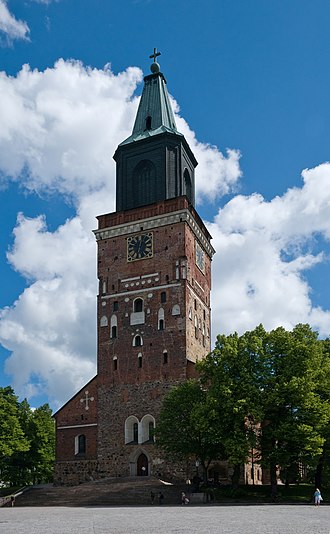
Finland's national shrine and mother church, a medieval cathedral in the country's oldest city.
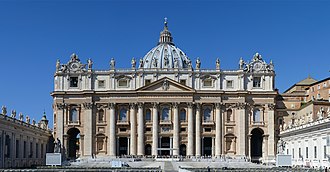
⛪Vatican City (St. Peter's Basilica)
The spiritual center of Roman Catholicism and home of the Pope.
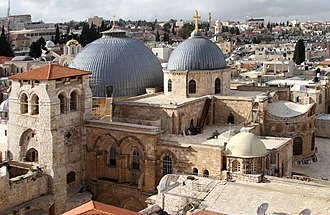
✝️Church of the Holy Sepulchre
The site where Jesus was crucified, buried, and resurrected.