⛪ Uppsala Cathedral
Sweden
About This Sacred Site
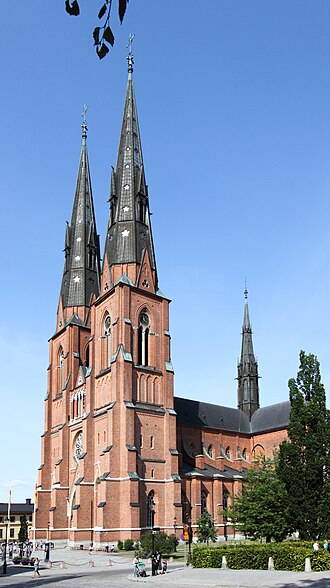
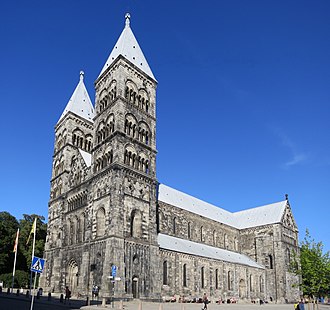
Standing at 118.7 meters tall, the cathedral is the tallest church in Scandinavia, constructed predominantly from brick and sandstone. Its Gothic architecture features soaring pointed arches, ribbed vaults, and flying buttresses characteristic of Northern European medieval design. Construction began in 1270 and concluded in 1435 after 175 years, with significant expansions in the 15th century adding the twin spires that dominate the Uppsala skyline. The interior houses the silver reliquary shrine of St. Erik, Sweden's patron saint, crafted in the 14th century. The cathedral's stained glass windows depict biblical scenes and Swedish saints, while the vaulted ceilings reach heights of up to 27 meters. It contains numerous chapels and tombs of Swedish archbishops and monarchs, including Gustav Vasa, underscoring its historical and architectural prominence in Northern Europe.
History & Origins
Construction of Uppsala Cathedral began in 1270 on the site of earlier religious buildings, marking a significant shift toward Gothic architecture in Sweden. The cathedral was consecrated in 1435, although construction and modifications continued for centuries. It was severely damaged by fire in 1702 but underwent extensive restoration in the 18th and 19th centuries led by architect Helgo Zettervall, who restored many medieval elements. As the seat of the Archbishop of the Church of Sweden, Uppsala Cathedral has been central to Swedish ecclesiastical history, hosting important ceremonies such as royal coronations and ordinations. Its crypt contains the remains of Saint Eric, Sweden’s patron saint, underscoring its spiritual significance.
Spiritual Significance
The cathedral serves as the ecclesiastical seat of the Archbishop of Uppsala, the primate of the Church of Sweden, anchoring Lutheran spiritual authority since the Reformation. It hosts the annual Feast of St. Erik on May 18, marked by processions venerating the silver reliquary shrine containing relics believed to possess intercessory power. The cathedral is the site of the Church of Sweden's ordination ceremonies, where candidates are consecrated according to apostolic succession traced through Nordic ecclesiastical lineage. Pilgrims often participate in the liturgical celebration of All Saints' Day, engaging in prayers referencing the Nicene Creed and Lutheran confessions. The cathedral's pulpit, carved in the 17th century, is used for sermons emphasizing scriptural readings from the Book of Psalms and the Gospel of John. Its role as a coronation church during the Middle Ages links it to Sweden's royal and spiritual history, reinforcing its status as a symbol of national Christianity.
Key Facts
- •At 118.7 meters, it is the tallest church in Scandinavia
- •Construction took 175 years, from 1270 to 1435
- •Houses the silver reliquary shrine of St. Erik, Sweden's patron saint
- •Carl Linnaeus, the father of modern taxonomy, is buried inside
- •Nearby Old Uppsala was a major pre-Christian Norse religious center with royal burial mounds
Location
Coordinates: 59.8580, 17.6305
Frequently Asked Questions
What religion is Uppsala Cathedral associated with?▾
Uppsala Cathedral is a Christianity holy site located in Sweden. It was established 1435 and is ranked #694 in our global directory of sacred sites.
When was Uppsala Cathedral established?▾
Uppsala Cathedral dates back to 1435. At 118.7 meters, it is the tallest church in Scandinavia
How many people visit Uppsala Cathedral each year?▾
Uppsala Cathedral receives approximately 500,000 visitors per year. Construction took 175 years, from 1270 to 1435
What is Uppsala Cathedral known for?▾
Scandinavia's largest cathedral, seat of the Archbishop of the Church of Sweden. Visitors come seeking pilgrimage, blessings, guidance, ancestral connection. Houses the silver reliquary shrine of St. Erik, Sweden's patron saint
Related Holy Sites
Sacred places connected by country, religion, and purpose
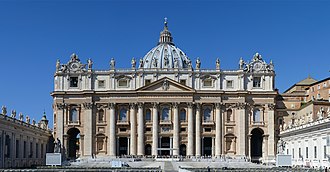
⛪Vatican City (St. Peter's Basilica)
The spiritual center of Roman Catholicism and home of the Pope.
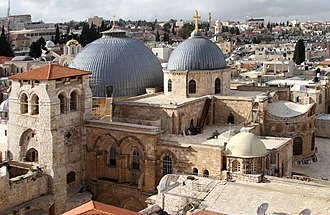
✝️Church of the Holy Sepulchre
The site where Jesus was crucified, buried, and resurrected.