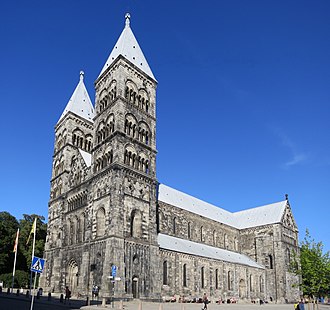
⛪ Lund Cathedral
Sweden
About This Sacred Site
Lund Cathedral is a striking Romanesque stone cathedral located in southern Sweden, consecrated in 1145. Famous for its robust twin towers and richly decorated crypt, it stands as one of Scandinavia’s most historically significant churches. The cathedral served as the ecclesiastical center of the Archdiocese of Lund throughout the Middle Ages. Its interior features intricately carved sandstone capitals, a medieval astronomical clock dating from the 15th century, and a baptismal font from the 12th century. The cathedral’s architecture reflects the transition from Romanesque solidity to early Gothic elegance, making it a key monument in the religious and cultural history of the region.
Spiritual Significance
Consecrated in 1145, this cathedral was the seat of the medieval Archdiocese of Lund, which governed the entire Scandinavian region, making it a central authority for Christian doctrine and administration in the 12th and 13th centuries. The cathedral hosts the annual celebration of St. Lawrence on August 10, featuring liturgies based on the Latin Vulgate Bible and medieval hymnody. Its 14th-century astronomical clock, installed in 1424, plays the hymn 'In dulci jubilo' at noon and 3 PM, symbolizing the integration of faith and celestial order. Pilgrims have historically visited the cathedral during the Feast of the Assumption, participating in processions that retrace medieval pilgrimage routes documented in ecclesiastical records. The cathedral's crypt holds relics of St. Lawrence and other saints, which attracted medieval devotees seeking healing and forgiveness. Its role as a symbol of the Christianization of Scandinavia is reinforced by its early Romanesque architectural style, reflecting theological ideals from the Gregorian Reform movement and the influence of the Cistercian liturgical reforms.
Key Facts
- •Consecrated in 1145, it was the seat of the medieval Archdiocese that governed all of Scandinavia
- •The 14th-century astronomical clock plays the hymn 'In dulci jubilo' at noon and 3 PM
- •The crypt dates to around 1123 and contains a carved pillar said to depict the giant Finn
- •According to legend, the giant Finn (Jätten Finn) helped build the cathedral and was turned to stone
- •The cathedral's apse mosaic was added by artist Joakim Skovgaard in 1927
Location
Coordinates: 55.7036, 13.1932
Frequently Asked Questions
What religion is Lund Cathedral associated with?▾
Lund Cathedral is a Christianity holy site located in Sweden. It was established 1145 and is ranked #584 in our global directory of sacred sites.
When was Lund Cathedral established?▾
Lund Cathedral dates back to 1145. Consecrated in 1145, it was the seat of the medieval Archdiocese that governed all of Scandinavia
How many people visit Lund Cathedral each year?▾
Lund Cathedral receives approximately 700,000 visitors per year. The 14th-century astronomical clock plays the hymn 'In dulci jubilo' at noon and 3 PM
What is Lund Cathedral known for?▾
A Romanesque cathedral from 1145, seat of the medieval archbishopric that Christianized Scandinavia. Visitors come seeking blessings, spiritual enlightenment, guidance, peace. The crypt dates to around 1123 and contains a carved pillar said to depict the giant Finn
Related Holy Sites
Sacred places connected by country, religion, and purpose
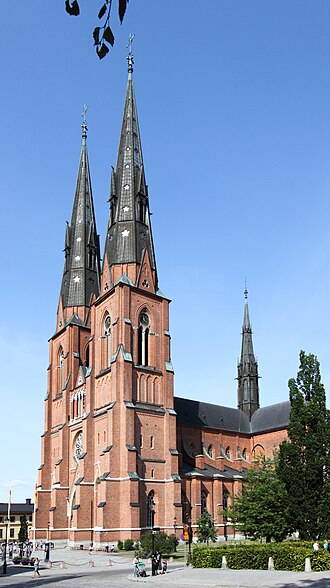
⛪Uppsala Cathedral
Scandinavia's largest cathedral, seat of the Archbishop of the Church of Sweden.
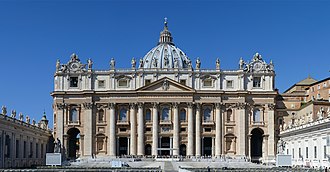
⛪Vatican City (St. Peter's Basilica)
The spiritual center of Roman Catholicism and home of the Pope.
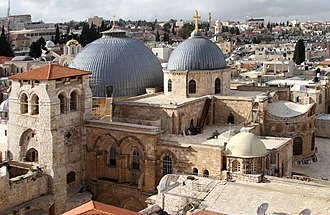
✝️Church of the Holy Sepulchre
The site where Jesus was crucified, buried, and resurrected.