
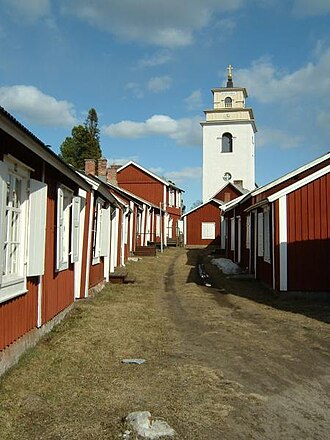
⛪ Gammelstad Church Town
Sweden
About This Sacred Site
Gammelstad Church Town near Luleå, Sweden, is the largest and best-preserved example of a traditional Scandinavian kyrkstad, or church town. Established in the early 15th century, it was built to accommodate congregants traveling from remote rural areas who needed lodging during church services. The site comprises over 400 wooden cottages clustered around Nederluleå Church, a medieval stone church. The unique layout and preservation reflect the social and religious practices of northern Sweden’s Lutheran communities. Gammelstad Church Town is recognized as a UNESCO World Heritage Site for its cultural significance and traditional wooden architecture.
Spiritual Significance
Established in the early 15th century, the church town was a practical spiritual center for parishioners living in the vast northern Scandinavian wilderness, where long winter distances prevented frequent church attendance. The 424 wooden cottages surrounding the stone church were used by families who traveled from remote farms to participate in Sunday Mass and holy day celebrations, emphasizing the communal nature of Nordic Lutheran worship. Annual events such as the Midsummer's Eve service incorporated traditional prayers from the Book of Concord and readings from the Epistles, reflecting Lutheran doctrinal continuity. The church town fostered pilgrim-like gatherings during Christmas and Easter, when families stayed overnight in cottages to attend multiple liturgical services. The stone church, dating from the 15th century, hosted baptisms, weddings, and funerals according to the Swedish Church Ordinance of 1571. The layout of the town symbolized spiritual fellowship and ecclesiastical order, preserving pre-modern patterns of worship and local religious identity in a region characterized by harsh climate and isolation.
Key Facts
- •Contains 424 wooden cottages clustered around a 15th-century stone church
- •Church towns arose because parishioners in northern Scandinavia lived too far from their church to attend in a day
- •Inscribed as a UNESCO World Heritage Site in 1996
- •The medieval stone church dates to the early 15th century and retains its original altarpiece
- •Cottages are still used during festivals, especially the annual church weekend in summer
Location
Coordinates: 65.6403, 22.0252
Frequently Asked Questions
What religion is Gammelstad Church Town associated with?▾
Gammelstad Church Town is a Christianity holy site located in Sweden. It was established Early 15th century and is ranked #145 in our global directory of sacred sites.
When was Gammelstad Church Town established?▾
Gammelstad Church Town dates back to Early 15th century. Contains 424 wooden cottages clustered around a 15th-century stone church
How many people visit Gammelstad Church Town each year?▾
Gammelstad Church Town receives approximately 100,000 visitors per year. Church towns arose because parishioners in northern Scandinavia lived too far from their church to attend in a day
What is Gammelstad Church Town known for?▾
The best-preserved medieval church town in Sweden, with 424 wooden cottages surrounding a 15th-century church. Visitors come seeking ancestral connection, pilgrimage, peace, blessings. Inscribed as a UNESCO World Heritage Site in 1996
Related Holy Sites
Sacred places connected by country, religion, and purpose
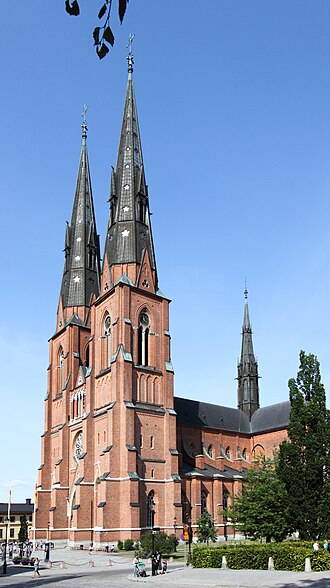
⛪Uppsala Cathedral
Scandinavia's largest cathedral, seat of the Archbishop of the Church of Sweden.
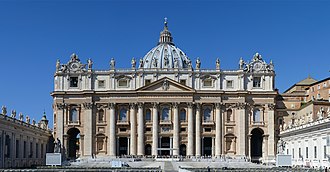
⛪Vatican City (St. Peter's Basilica)
The spiritual center of Roman Catholicism and home of the Pope.
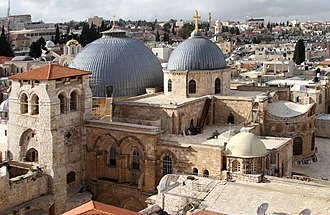
✝️Church of the Holy Sepulchre
The site where Jesus was crucified, buried, and resurrected.
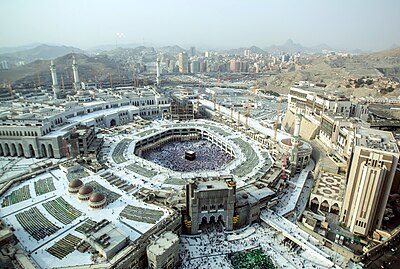
🕋Masjid al-Haram (Great Mosque of Mecca)
The holiest site in Islam, home of the Kaaba, and the destination for Hajj pilgrimage.
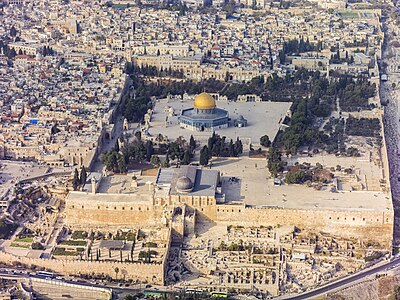
🕌Temple Mount / Al-Aqsa (Jerusalem)
Sacred to Judaism, Christianity, and Islam — the most contested holy site on Earth.

