🖼️ Troyan Monastery
Bulgaria
About This Sacred Site
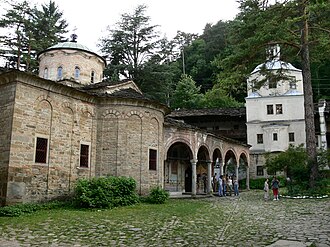
Troyan Monastery, dedicated to the Dormition of the Mother of God, is the third-largest monastery in Bulgaria, hidden in a forested valley of the Balkan Mountains. The monastery is renowned for its miraculous icon of the 'Three-Handed Virgin' (Troeruchitsa), believed to have healing powers. The church exterior and narthex are adorned with vivid frescoes by the master painter Zahari Zograph, depicting biblical scenes, saints, and the Last Judgment with remarkable expressiveness. During the Bulgarian National Revival, the monastery served as a secret meeting place for revolutionary leader Vasil Levski.
History & Origins
Established around 1600 during the Ottoman period in the Balkan Mountains of Bulgaria, the Troyan Monastery is the third largest monastery in the country. The complex was founded by Bulgarian monks seeking refuge from Ottoman oppression, with the earliest written records dating to 1593. The main church, dedicated to the Holy Trinity, was constructed in the early 18th century, incorporating traditional Bulgarian Revival architectural features such as a three-nave basilica and a richly decorated wooden iconostasis. Between 1847 and 1849, master painter Zahari Zograph created the celebrated exterior frescoes, which are rare examples of secular and religious themes painted on a monastery’s outer walls. The monastery played a key role in the Bulgarian National Revival and served as a center for revolutionary activity, including support for the April Uprising of 1876. It underwent major renovations in the 19th century under Abbot Father Evtim, who expanded the monastic buildings. The monastery remains active under the Bulgarian Orthodox Church and is a protected cultural monument.
Spiritual Significance
The monastery houses the revered icon of the Three-Handed Virgin, believed to possess miraculous healing powers, attracting thousands of pilgrims annually, especially during the feast of the Holy Trinity. The icon's origin is traditionally linked to St. John of Damascus in the 8th century and symbolizes the power of intercession. Pilgrims participate in the liturgy according to the Byzantine Rite, with special emphasis on the Holy Trinity feast day, which includes processions, chants, and the blessing of waters. The monastery follows the monastic rule of St. Basil and emphasizes ascetic practices such as fasting and nightly vigils. The interior frescoes by Zahari Zograph include depictions of saints, biblical scenes, and Bulgarian historical figures, linking national identity with Orthodox spirituality. The site is a destination for spiritual retreats and theological study, with teachings based on the writings of the Church Fathers and Bulgarian Orthodox tradition. The monastery’s role in revolutionary history is commemorated annually, reinforcing its dual spiritual and national significance.
Key Facts
- •The 'Three-Handed Virgin' icon is believed to have miraculous healing powers
- •Master painter Zahari Zograph created the celebrated exterior frescoes in 1847-1849
- •Revolutionary hero Vasil Levski used the monastery as a secret base
- •The monastery was founded in the early 1600s and expanded in the 18th-19th centuries
- •It is located in a picturesque valley at the foot of the Balkan Mountains
Location
Coordinates: 42.7529, 24.6195
Frequently Asked Questions
What religion is Troyan Monastery associated with?▾
Troyan Monastery is a Christianity holy site located in Bulgaria. It was established c. 1600 and is ranked #669 in our global directory of sacred sites.
When was Troyan Monastery established?▾
Troyan Monastery dates back to c. 1600. The 'Three-Handed Virgin' icon is believed to have miraculous healing powers
How many people visit Troyan Monastery each year?▾
Troyan Monastery receives approximately 150,000 visitors per year. Master painter Zahari Zograph created the celebrated exterior frescoes in 1847-1849
What is Troyan Monastery known for?▾
Bulgaria's third-largest monastery, famous for its miraculous 'Three-Handed' icon and vivid frescoes. Visitors come seeking miracles, healing, protection, pilgrimage. Revolutionary hero Vasil Levski used the monastery as a secret base
Related Holy Sites
Sacred places connected by country, religion, and purpose
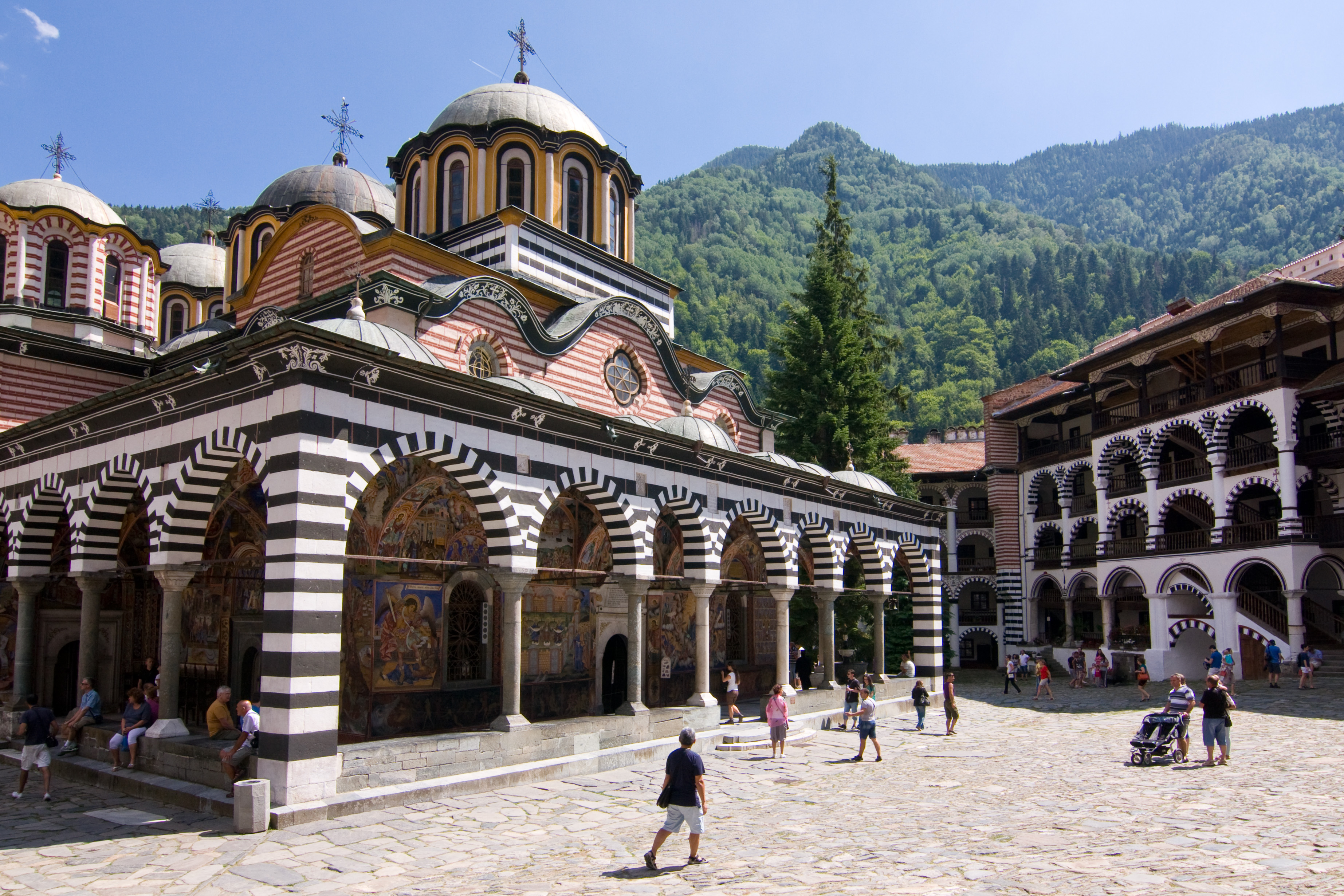
⛪Rila Monastery
Bulgaria's most important spiritual center, nestled in the Rila Mountains.
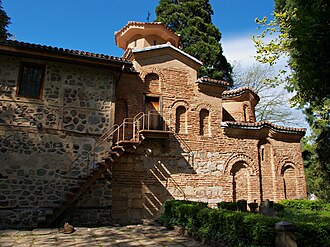
🎨Boyana Church
A medieval church on the outskirts of Sofia with frescoes that predate the Italian Renaissance.

⛪Vatican City (St. Peter's Basilica)
The spiritual center of Roman Catholicism and home of the Pope.
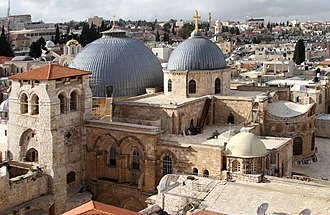
✝️Church of the Holy Sepulchre
The site where Jesus was crucified, buried, and resurrected.