⛪ Rila Monastery
Bulgaria
About This Sacred Site
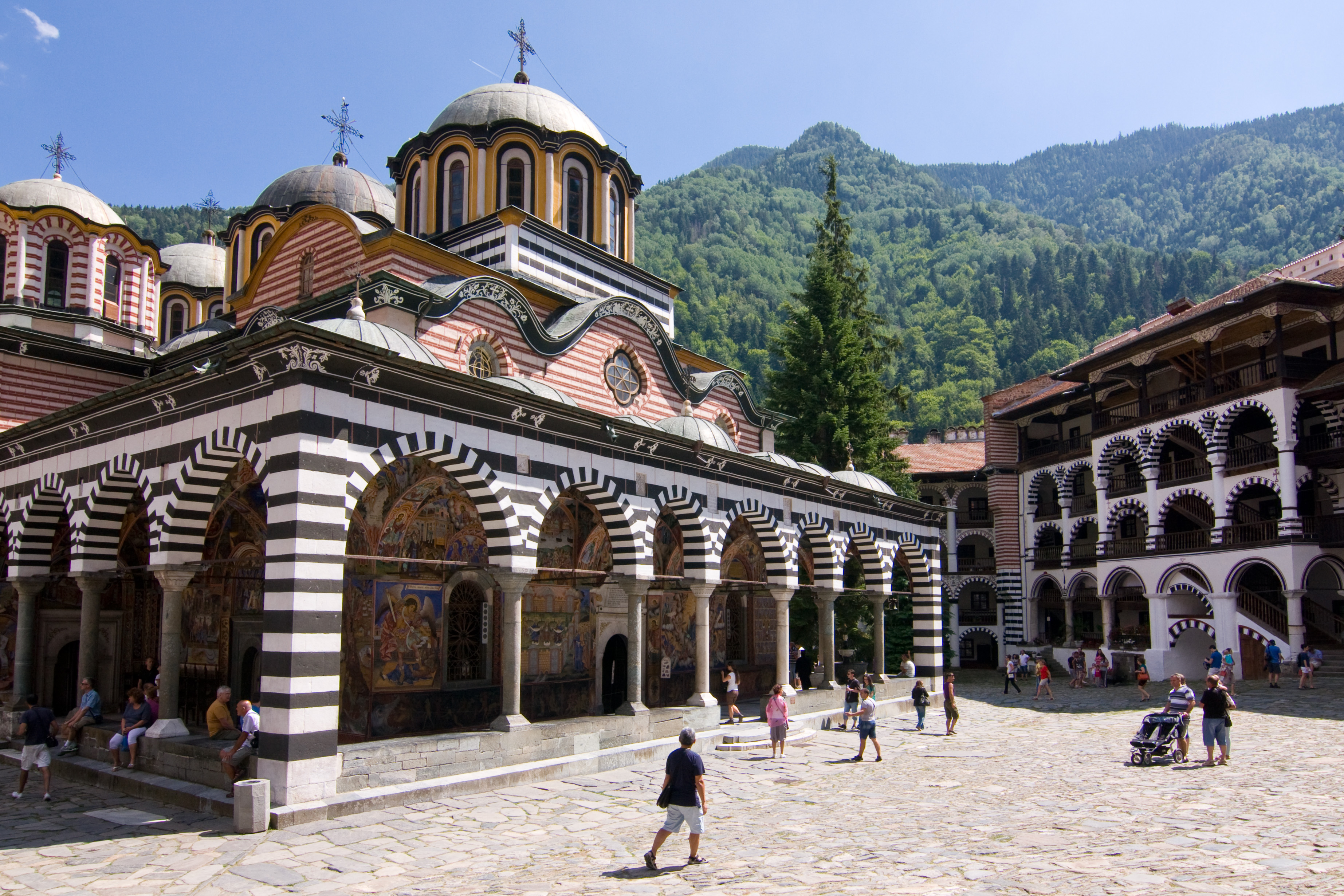
Rila Monastery, nestled in Bulgaria’s Rila Mountains at 1,147 meters, is the largest and most significant Eastern Orthodox monastery in the country. Founded in the 10th century by the hermit Saint Ivan of Rila, it has been a spiritual, cultural, and artistic center through centuries of Ottoman rule and Bulgarian revival. The monastery complex features vibrant frescoes, intricate wood carvings, and a distinctive striped bell tower. Rila Monastery remains a living religious institution and a UNESCO World Heritage Site, symbolizing Bulgarian identity and Orthodox Christian faith.
History & Origins
Founded by Saint John of Rila around 940 CE, the monastery began as a small monastic community in the Rila Mountains of Bulgaria. It was expanded significantly during the reign of Tsar Ivan Alexander in the 14th century, reflecting the Bulgarian Orthodox Church's growing influence. Throughout the Ottoman rule from the late 14th century to the 19th century, the monastery functioned as a vital refuge for preserving Bulgarian culture, language, and Orthodox Christian traditions. Renovations in the 19th century included the construction of the main church, completed in 1834, featuring vibrant frescoes by artists like Zahari Zograf. The monastery was declared a UNESCO World Heritage Site in 1983, recognizing its architectural and historical significance. Despite multiple fires and invasions, including damage during the 19th-century uprisings, the monastery has retained its status as Bulgaria's spiritual and cultural symbol.
Spiritual Significance
The monastery is dedicated to the Virgin Mary and Saint John of Rila, the first Bulgarian hermit canonized by the Orthodox Church. Pilgrims participate in the annual feast of Saint John of Rila on August 18, which includes liturgies, processions, and the veneration of his incorrupt relics preserved in the monastery's main church. The site hosts daily Orthodox services following the Byzantine Rite, with chanting of hymns from the Psalter and readings from the Bulgarian Orthodox liturgical calendar. Monastic life here emphasizes hesychasm, a mystical tradition focusing on inner prayer, based on the Philokalia. The monastery also houses numerous manuscripts and icons that are central to Bulgarian Orthodox spirituality. Pilgrims often climb to the hermit's cave nearby, seeking spiritual healing and guidance, continuing a tradition dating back to the 10th century.
Key Facts
- •Founded in the 10th century by Saint John of Rila
- •UNESCO World Heritage Site since 1983
- •Played a crucial role in preserving Bulgarian identity during Ottoman rule
- •The monastery church contains 1,200 spectacular frescoes
- •Houses a remarkable wooden cross with 140 biblical scenes carved under a magnifying glass
Location
Coordinates: 42.1333, 23.3403
Frequently Asked Questions
What religion is Rila Monastery associated with?▾
Rila Monastery is a Christianity holy site located in Bulgaria. It was established c. 940 CE and is ranked #45 in our global directory of sacred sites.
When was Rila Monastery established?▾
Rila Monastery dates back to c. 940 CE. Founded in the 10th century by Saint John of Rila
How many people visit Rila Monastery each year?▾
Rila Monastery receives approximately 900,000 visitors per year. UNESCO World Heritage Site since 1983
What is Rila Monastery known for?▾
Bulgaria's most important spiritual center, nestled in the Rila Mountains. Visitors come seeking healing, peace, spiritual enlightenment, protection. Played a crucial role in preserving Bulgarian identity during Ottoman rule
Related Holy Sites
Sacred places connected by country, religion, and purpose
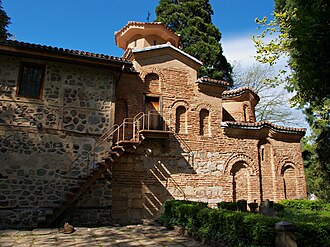
🎨Boyana Church
A medieval church on the outskirts of Sofia with frescoes that predate the Italian Renaissance.

⛪Vatican City (St. Peter's Basilica)
The spiritual center of Roman Catholicism and home of the Pope.
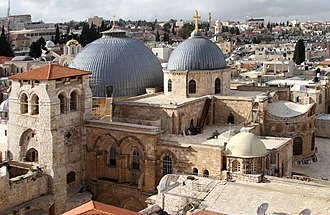
✝️Church of the Holy Sepulchre
The site where Jesus was crucified, buried, and resurrected.