
⛪ Rock-Hewn Churches of Ivanovo
Bulgaria
About This Sacred Site
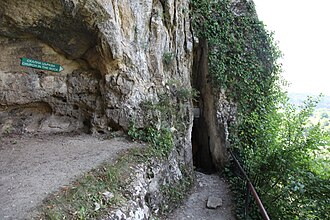
The Rock-Hewn Churches of Ivanovo are a group of monastic cells, churches, and chapels carved into the limestone cliffs of the Rusenski Lom River valley in northeast Bulgaria. Hermit monks began inhabiting these caves in the 12th century, and the complex grew into an important monastic center under the patronage of Bulgarian tsars. The churches contain exceptional 14th-century frescoes that display a naturalistic style influenced by the Palaeologan Renaissance, making them some of the finest examples of medieval Bulgarian painting.
History & Origins
The Rock-Hewn Churches of Ivanovo, situated near the village of Ivanovo in northeastern Bulgaria, were carved into the cliffs beginning in the 12th century, serving as a monastic complex inhabited by Orthodox monks. Recognized as a UNESCO World Heritage Site in 1979, the complex includes over 40 rock-cut churches, chapels, and monastic cells. The majority of the surviving frescoes date from the 14th century and exhibit the Palaeologan Renaissance style, characterized by sophisticated iconography and vibrant colors, reflecting Byzantine artistic trends of the period. The site flourished under the patronage of Tsar Ivan Alexander, who ruled from 1331 to 1371 and supported Orthodox monasticism. The monastic community declined following Ottoman incursions in the late 14th century, leading to abandonment by the 17th century. Archaeological excavations in the 20th century uncovered extensive fresco cycles depicting scenes from the Gospels and hagiographies. The site remains a key example of medieval monastic architecture in Bulgaria, with ongoing conservation efforts by Bulgarian cultural heritage authorities.
Spiritual Significance
The complex functioned as a center for hesychasm, a mystical tradition within Eastern Orthodox Christianity emphasizing inner prayer and contemplation, which was prominent during the 14th century. Monks at Ivanovo practiced the Jesus Prayer repeatedly, as recorded in monastic manuscripts found on site, aligning with teachings from the Philokalia, a foundational text of hesychasm compiled later but rooted in earlier traditions. The frescoes include depictions of Christ Pantocrator and the Theotokos, underscoring the theological focus on divine majesty and intercession. Pilgrims historically visited the site during the feast of the Transfiguration on August 6, when outdoor liturgies were celebrated on the cliff terraces. Contemporary pilgrims continue to leave prayer notes and light candles in the cave chapels, following Orthodox customs. The remote location and austere monastic cells embody the ascetic ideals promoted by spiritual leaders such as St. Gregory of Sinai, whose influence is evident in the monastic rules practiced here. The site also hosts occasional Orthodox liturgical celebrations, maintaining its role as a place of active worship and spiritual retreat.
Key Facts
- •UNESCO World Heritage Site since 1979
- •The frescoes date primarily from the 14th century and show Palaeologan Renaissance influence
- •Monks inhabited the cliff caves from the 12th century onward
- •Tsar Ivan Alexander was a major patron of the monastery in the 14th century
- •The churches and cells are carved into cliffs along the Rusenski Lom River gorge
Location
Coordinates: 43.7263, 25.9688
Frequently Asked Questions
What religion is Rock-Hewn Churches of Ivanovo associated with?▾
Rock-Hewn Churches of Ivanovo is a Christianity holy site located in Bulgaria. It was established c. 12th century and is ranked #276 in our global directory of sacred sites.
When was Rock-Hewn Churches of Ivanovo established?▾
Rock-Hewn Churches of Ivanovo dates back to c. 12th century. UNESCO World Heritage Site since 1979
How many people visit Rock-Hewn Churches of Ivanovo each year?▾
Rock-Hewn Churches of Ivanovo receives approximately 50,000 visitors per year. The frescoes date primarily from the 14th century and show Palaeologan Renaissance influence
What is Rock-Hewn Churches of Ivanovo known for?▾
Medieval churches carved into cliff faces along the Rusenski Lom River with remarkable 14th-century frescoes. Visitors come seeking spiritual enlightenment, meditation, peace, pilgrimage. Monks inhabited the cliff caves from the 12th century onward
Related Holy Sites
Sacred places connected by country, religion, and purpose
⛪Rila Monastery
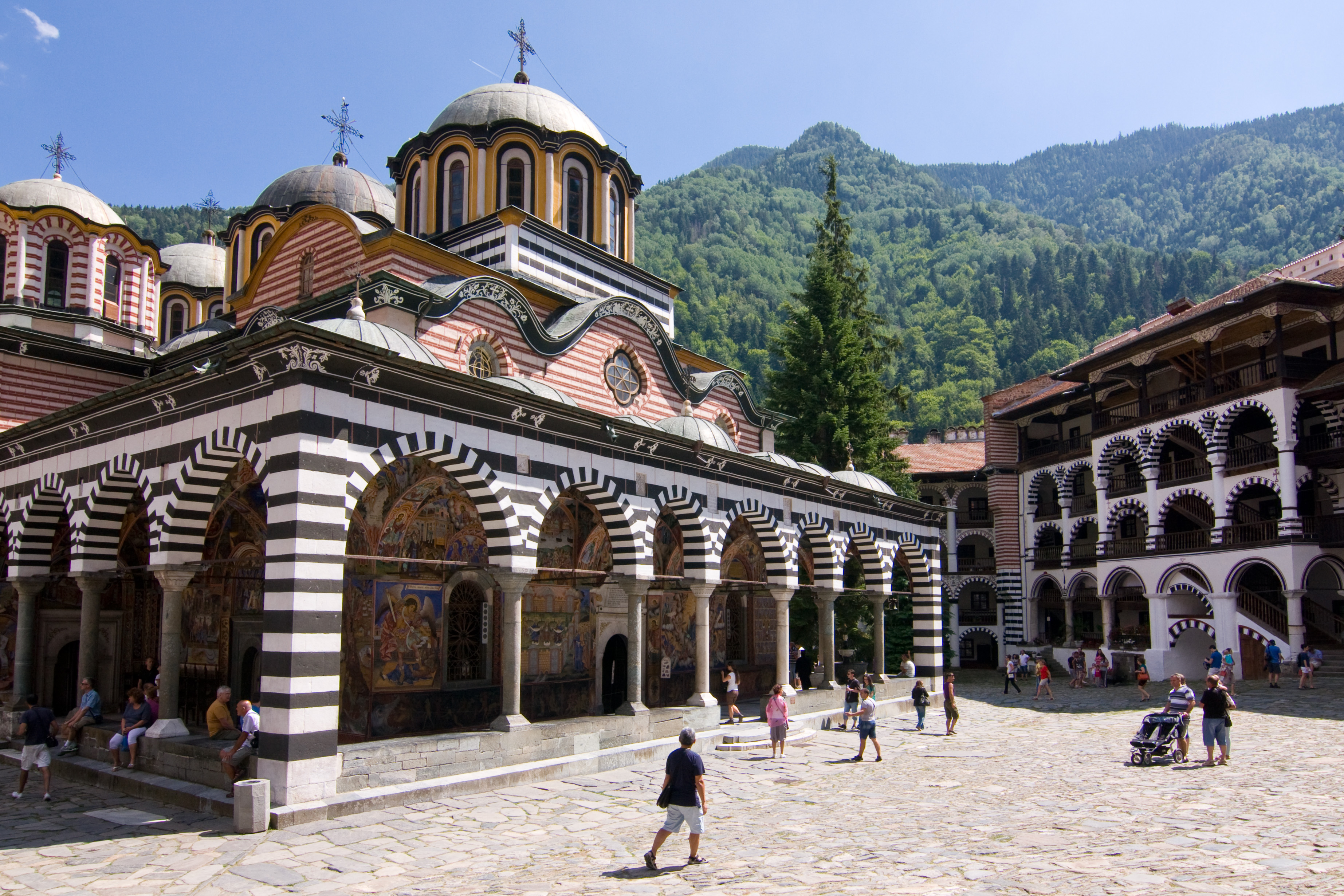
Bulgaria's most important spiritual center, nestled in the Rila Mountains.
🎨Boyana Church
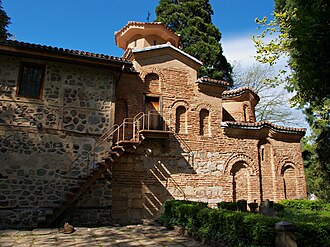
A medieval church on the outskirts of Sofia with frescoes that predate the Italian Renaissance.
⛪Vatican City (St. Peter's Basilica)
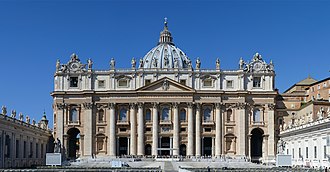
The spiritual center of Roman Catholicism and home of the Pope.
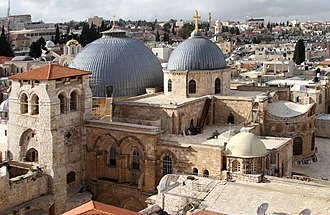
✝️Church of the Holy Sepulchre
The site where Jesus was crucified, buried, and resurrected.
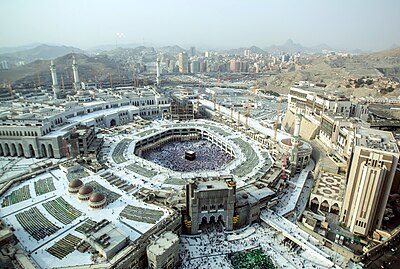
🕋Masjid al-Haram (Great Mosque of Mecca)
The holiest site in Islam, home of the Kaaba, and the destination for Hajj pilgrimage.
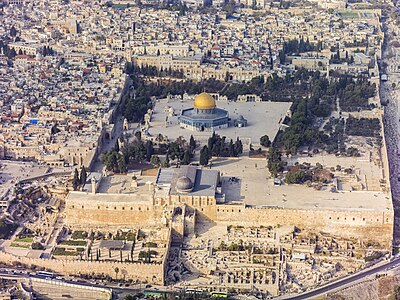
🕌Temple Mount / Al-Aqsa (Jerusalem)
Sacred to Judaism, Christianity, and Islam — the most contested holy site on Earth.

