
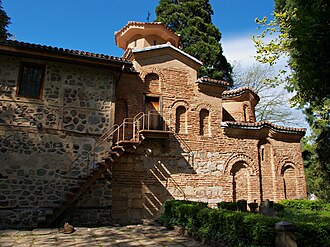
🎨 Boyana Church
Bulgaria
About This Sacred Site
The Boyana Church is a small medieval Bulgarian Orthodox church on the outskirts of Sofia, celebrated worldwide for its extraordinary 1259 frescoes that are considered masterpieces of European medieval art. Painted by an unknown artist, these frescoes display a remarkably naturalistic style that predates the Italian Renaissance by over a century. The 89 scenes depict biblical subjects and portraits of the church's patrons with an unprecedented emotional depth and individuality of expression. The church consists of three sections built in the 10th, 13th, and 19th centuries.
History & Origins
Founded in the late 10th century during the First Bulgarian Empire, the Boyana Church complex initially consisted of a small medieval Eastern Orthodox church located on the outskirts of Sofia, Bulgaria. The most substantial construction phase occurred in 1259 under the patronage of Sebastocrator Kaloyan and his wife Desislava, who commissioned the now-famous frescoes. These frescoes, which cover the interior walls of the church's second building, are considered a masterpiece of medieval Eastern European art and remarkably predate the Italian Renaissance with their naturalistic portrayal of human figures. The church complex was expanded with the addition of a third building in the 19th century. The site was designated a UNESCO World Heritage Site in 1979 due to its exceptional frescoes and architectural significance. During the Bulgarian National Revival period, the church underwent restoration efforts to preserve its medieval murals. In 1923, further conservation work was carried out to protect the frescoes from humidity damage. Today, the church is part of the National History Museum of Bulgaria and remains an important cultural landmark.
Spiritual Significance
The church's 1259 frescoes depict 89 scenes with 240 figures illustrating biblical narratives and Orthodox saints, serving as a visual catechism for medieval Bulgarian Christians. It is dedicated to St. Nicholas, St. George, and St. Demetrius, saints venerated within the Eastern Orthodox tradition. The site attracts pilgrims who participate in the feast days of these saints, particularly December 6th for St. Nicholas and November 8th for St. Demetrius. Liturgical services follow the Byzantine Rite, and the church's iconography reflects theological doctrines from the Orthodox Synod of Constantinople. The frescoes include detailed portrayals of Emperor Constantine and his mother Helena, highlighting Byzantine imperial and religious connections. Pilgrims often engage in prayer before specific frescoes depicting the Virgin Mary and Christ Pantocrator, believing in their intercessory power. The church is referenced in Bulgarian Orthodox liturgical texts and is integral to the study of medieval Slavic Christian art and theology.
Key Facts
- •UNESCO World Heritage Site since 1979
- •The 1259 frescoes predate the Italian Renaissance in their naturalistic approach
- •89 scenes are painted across 240 figures with remarkably individualized expressions
- •The church has three building phases: 10th century, 13th century, and 19th century
- •Only 15 visitors are allowed inside at a time to preserve the fragile frescoes
Location
Coordinates: 42.6475, 23.2667
Frequently Asked Questions
What religion is Boyana Church associated with?▾
Boyana Church is a Christianity holy site located in Bulgaria. It was established c. 10th century and is ranked #228 in our global directory of sacred sites.
When was Boyana Church established?▾
Boyana Church dates back to c. 10th century. UNESCO World Heritage Site since 1979
How many people visit Boyana Church each year?▾
Boyana Church receives approximately 100,000 visitors per year. The 1259 frescoes predate the Italian Renaissance in their naturalistic approach
What is Boyana Church known for?▾
A medieval church on the outskirts of Sofia with frescoes that predate the Italian Renaissance. Visitors come seeking spiritual enlightenment, ancestral connection, peace, blessings. 89 scenes are painted across 240 figures with remarkably individualized expressions
Related Holy Sites
Sacred places connected by country, religion, and purpose
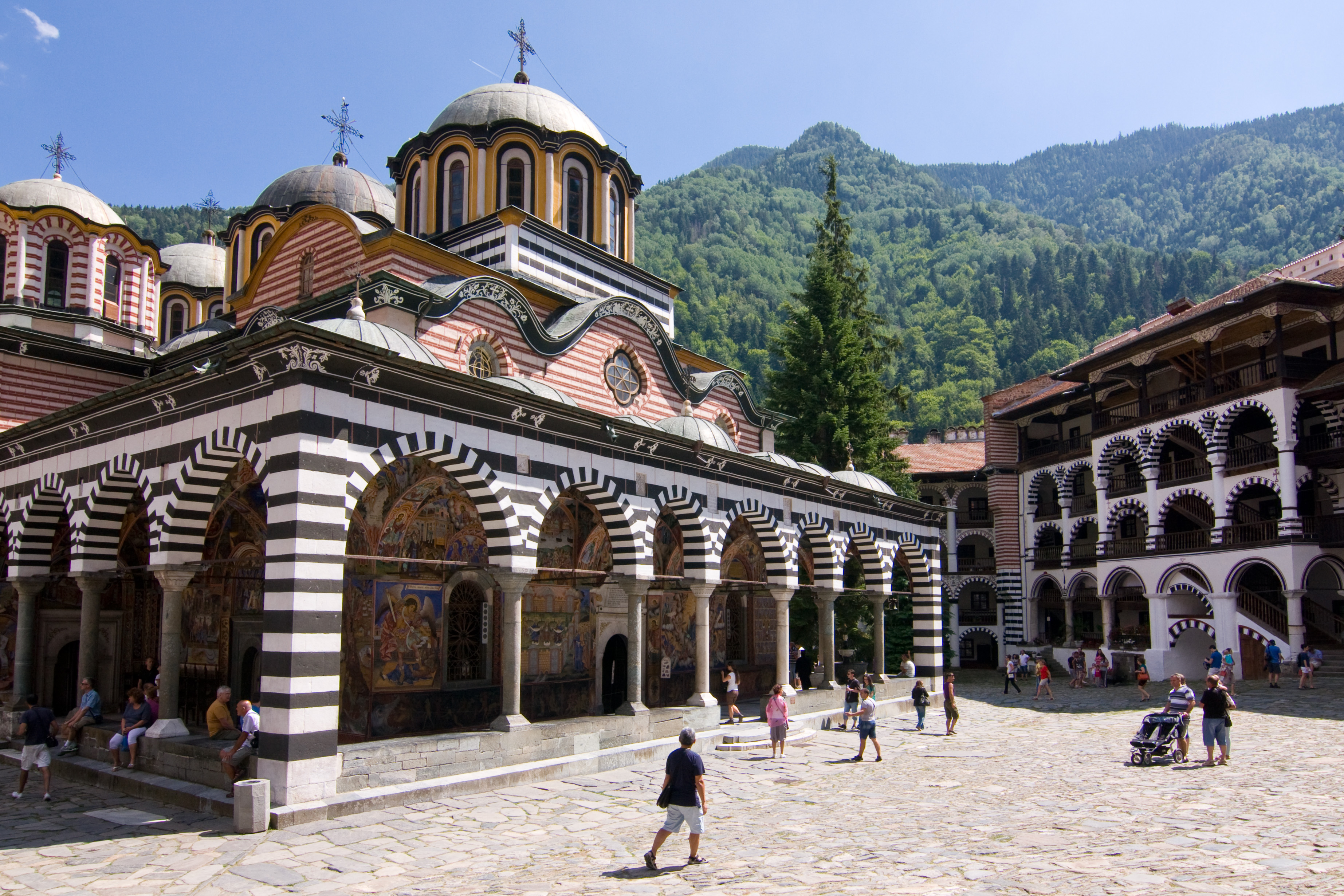
⛪Rila Monastery
Bulgaria's most important spiritual center, nestled in the Rila Mountains.
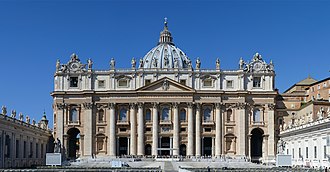
⛪Vatican City (St. Peter's Basilica)
The spiritual center of Roman Catholicism and home of the Pope.
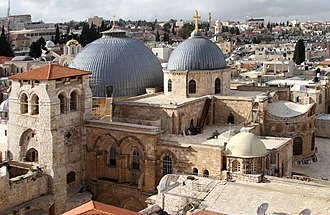
✝️Church of the Holy Sepulchre
The site where Jesus was crucified, buried, and resurrected.

🕌Temple Mount / Al-Aqsa (Jerusalem)
Sacred to Judaism, Christianity, and Islam — the most contested holy site on Earth.
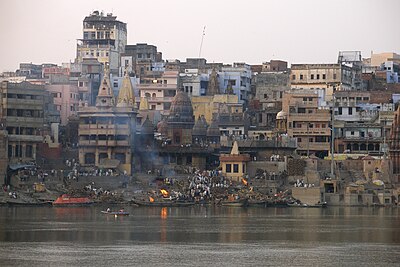
🙏Varanasi (Kashi Vishwanath Temple)
The holiest city in Hinduism, where the Ganges River purifies the soul.

