🏯 Trongsa Dzong
Bhutan
About This Sacred Site
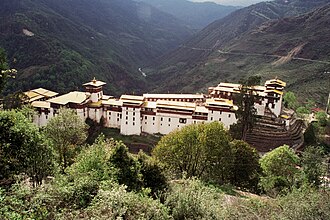
Trongsa Dzong is the largest and most strategically important dzong in Bhutan, commanding a dramatic position on a ridge above the Mangde Chhu gorge in central Bhutan. Built in 1648, it historically controlled all east-west travel through the country. The dzong is the ancestral seat of Bhutan's Wangchuck royal dynasty — all kings must first serve as Penlop (governor) of Trongsa before ascending to the throne. The imposing complex cascades down the ridge in a series of interconnected buildings, courtyards, and passages, housing both monks and administrative offices.
History & Origins
Built in 1648 CE, Trongsa Dzong is Bhutan’s largest and most strategically significant fortress-monastery, located on a ridge overlooking the Mangde Chhu gorge. It served as the seat of the Wangchuck dynasty before they became kings. The dzong’s construction integrated religious, administrative, and military functions, with temples, courtyards, and guard towers. It has undergone renovations to preserve its traditional Bhutanese architecture and murals. Trongsa Dzong remains central to Bhutan’s political history and spiritual life, symbolizing national unity and governance.
Spiritual Significance
As Bhutan’s largest dzong, built in 1648, the fortress cascades down a ridge above a deep gorge and serves as the ancestral seat of the Wangchuck dynasty. All Bhutanese kings have historically served as Trongsa Penlop, reinforcing the dzong’s role in both political and religious spheres. The dzong hosts annual tsechus where monks perform cham dances that honor Guru Rinpoche and other Buddhist saints, drawing pilgrims from across central Bhutan. Rituals conducted within include the recitation of the Tengyur and Kangyur scriptures, integral to the Drukpa Kagyu monastic curriculum. The dzong’s chapels enshrine protective deities invoked during ceremonies to safeguard the kingdom. Pilgrims circumambulate the dzong’s outer walls and offer butter lamps to accumulate merit, particularly during sacred lunar dates. Its strategic location and architectural design reflect a synthesis of spiritual symbolism and military defense, embodying Bhutan’s historical intertwining of religion and governance.
Key Facts
- •The largest dzong in Bhutan, cascading down a ridge above a gorge
- •Ancestral seat of the Wangchuck dynasty — all kings must first serve as Trongsa Penlop
- •Built in 1648, strategically controlling all east-west travel through Bhutan
- •Houses the Ta Dzong (watchtower), now a museum of the royal family
- •Contains 23 temples within its walls
Location
Coordinates: 27.5003, 90.5069
Frequently Asked Questions
What religion is Trongsa Dzong associated with?▾
Trongsa Dzong is a Buddhism holy site located in Bhutan. It was established 1648 CE and is ranked #779 in our global directory of sacred sites.
When was Trongsa Dzong established?▾
Trongsa Dzong dates back to 1648 CE. The largest dzong in Bhutan, cascading down a ridge above a gorge
How many people visit Trongsa Dzong each year?▾
Trongsa Dzong receives approximately 50,000+ visitors per year. Ancestral seat of the Wangchuck dynasty — all kings must first serve as Trongsa Penlop
What is Trongsa Dzong known for?▾
Bhutan's largest dzong, ancestral seat of the royal dynasty, commanding a gorge above the Mangde River. Visitors come seeking protection, guidance, blessings, ancestral connection. Built in 1648, strategically controlling all east-west travel through Bhutan
Related Holy Sites
Sacred places connected by country, religion, and purpose
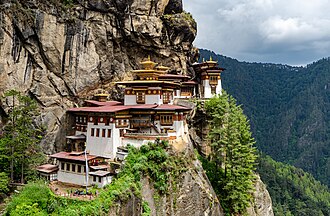
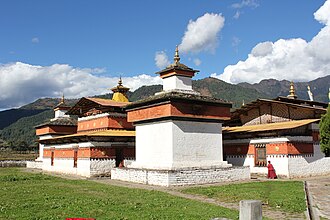
🙏Jambay Lhakhang
One of Bhutan's oldest temples, built in the 7th century by the Tibetan King Songtsen Gampo.
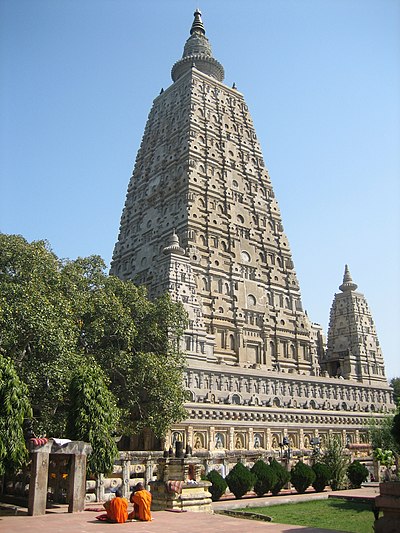
☸️Bodh Gaya (Mahabodhi Temple)
Where Siddhartha Gautama attained enlightenment and became the Buddha.
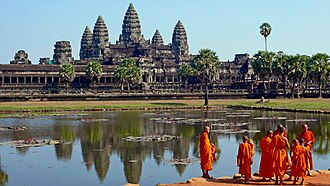
🛕Angkor Wat
The largest religious monument in the world, originally Hindu then Buddhist.