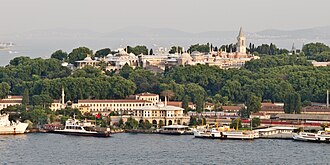
🕌 Topkapi Palace Sacred Relics
Turkey
About This Sacred Site
The Sacred Relics Chamber (Has Oda) in Topkapi Palace contains what are believed to be the most important relics in the Islamic world. When Sultan Selim I conquered Egypt in 1517, the last Abbasid caliph transferred these treasures to Istanbul. The collection includes the Blessed Mantle (Hırka-i Saadet) and sword of the Prophet Muhammad, a tooth of the Prophet, the staff of Moses, the sword of David, and the turban of Joseph. For five centuries, the Quran has been continuously recited in the chamber, 24 hours a day, without interruption.
History & Origins
The sacred relics chamber within Topkapi Palace was established in 1517 following the Ottoman Sultan Selim I's conquest of Egypt, when the Blessed Mantle of Prophet Muhammad was transported to Istanbul. The palace complex, originally constructed under Sultan Mehmed II in 1465, underwent expansions by Suleiman the Magnificent in the 16th century, facilitating the secure housing of these relics. The chamber has maintained an uninterrupted Quran recitation practice spanning more than five centuries, reflecting Ottoman religious devotion. During the 19th century, Sultan Abdulmejid I commissioned renovations to preserve the relics' display. The collection includes the Prophet's sword, bow, and a footprint relic, each authenticated and venerated since their installation. The site survived the transition from empire to republic, now managed by the Turkish Ministry of Culture as a museum safeguarding Islamic heritage.
Spiritual Significance
The chamber's continuous Quranic recitation exemplifies the Ottoman theological emphasis on the sanctity of the Prophet's relics, believed to confer divine protection and legitimacy to rulers. Pilgrims observe solemn visitation protocols, including removal of shoes and ritual ablutions before approaching the relic display, in accordance with Islamic purity laws (taharah). The Blessed Mantle is paraded ceremonially during the Hajj season, symbolizing spiritual connection to Prophet Muhammad's legacy. The relics underpin Ottoman claims of caliphal succession, integrating political and religious authority. Recitations from Sahih al-Bukhari and other Hadith collections associated with the Prophet's life are integral to the rituals performed here. Scholars and visitors alike reflect on the theological doctrine of barakah, whereby physical proximity to sacred objects transmits spiritual blessing, reinforcing the chamber's pilgrimage significance.
Key Facts
- •The Quran has been recited continuously in the chamber for over 500 years
- •Houses the Blessed Mantle of the Prophet Muhammad, brought from Egypt in 1517
- •Contains relics attributed to Moses, David, Abraham, and John the Baptist
- •A footprint of the Prophet Muhammad is preserved in a golden frame
- •Sultan Selim I acquired the relics after conquering Egypt in 1517
Location
Coordinates: 41.0115, 28.9833
Frequently Asked Questions
What religion is Topkapi Palace Sacred Relics associated with?▾
Topkapi Palace Sacred Relics is a Islam holy site located in Turkey. It was established 1517 (relics installed) and is ranked #567 in our global directory of sacred sites.
When was Topkapi Palace Sacred Relics established?▾
Topkapi Palace Sacred Relics dates back to 1517 (relics installed). The Quran has been recited continuously in the chamber for over 500 years
How many people visit Topkapi Palace Sacred Relics each year?▾
Topkapi Palace Sacred Relics receives approximately 2 million visitors per year. Houses the Blessed Mantle of the Prophet Muhammad, brought from Egypt in 1517
What is Topkapi Palace Sacred Relics known for?▾
The Privy Chamber of Topkapi Palace houses Islam's most sacred relics, including the Prophet's mantle and sword. Visitors come seeking blessings, pilgrimage, protection, spiritual enlightenment. Contains relics attributed to Moses, David, Abraham, and John the Baptist
Related Holy Sites
Sacred places connected by country, religion, and purpose
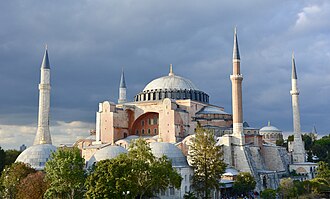
🏛️Hagia Sophia
A masterpiece that served as cathedral, mosque, and museum across centuries.
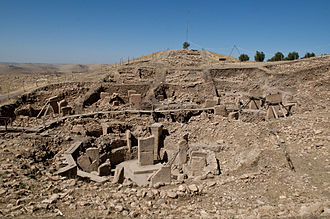
🏛️Göbekli Tepe
The world's oldest known temple, predating Stonehenge by 6,000 years.