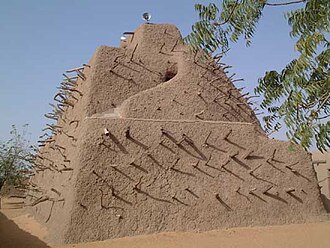
🕌 Tomb of Askia (Gao)
Mali
About This Sacred Site
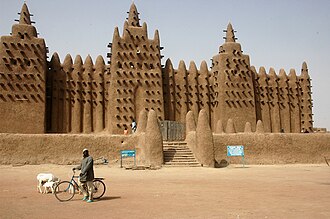
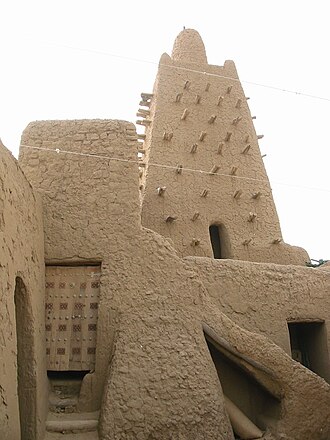
The Tomb of Askia in Gao, Mali, is the burial monument of Askia Muhammad I, founder of the Askia dynasty in the Songhai Empire, constructed in 1495. This pyramidal mud-brick structure, reaching over 17 meters high, reflects the Sudano-Sahelian architectural style. It served both as a mausoleum and a mosque, featuring a central tower with multiple prayer rooms. Recognized as a UNESCO World Heritage Site, the tomb symbolizes the political and religious power of the Songhai Empire at its peak and remains a pilgrimage site for Muslims.
History & Origins
Constructed in 1495 by Askia Muhammad I following his pilgrimage to Mecca, the pyramidal mud-brick tomb stands 17 meters tall near Gao, Mali. The structure was designed to symbolize the Islamic authority and political power of Askia Muhammad I, who reigned from 1493 to 1528 and expanded the Songhai Empire. The tomb complex includes a mosque and a minaret used for the call to prayer, reflecting the integration of Sahelian Islamic architecture. Recognized as a UNESCO World Heritage Site in 2004, the site has undergone multiple conservation efforts to combat erosion caused by seasonal rains and termite damage. Oral histories recount that the tomb was intentionally aligned with Mecca to honor the spiritual journey undertaken by Askia Muhammad I during his Hajj. The site remains a symbol of the Songhai dynasty’s embrace of Islam and its architectural representation in West Africa.
Spiritual Significance
The Tomb of Askia functions as a pilgrimage destination during the annual celebration of Askia Day, which honors the founder of the Songhai Empire and his Islamic faith. Devotees perform prayers and recite passages from the Quran, particularly Surah Al-Fatiha, at the mosque adjacent to the tomb. The site embodies the Maliki school of Islamic jurisprudence, which was prominent in the region during the late 15th century. The pyramid’s orientation toward Mecca underscores its liturgical importance for Salah rituals performed by local Muslims. The tomb is also a place for fasting and reflection during Ramadan when worshippers gather to honor Askia Muhammad I’s devotion to Islam. Scholarly teachings at the site emphasize the integration of Islamic governance and spirituality, as exemplified by Askia Muhammad I’s historical rule, linking political authority with religious legitimacy.
Key Facts
- •UNESCO World Heritage Site since 2004
- •Built in 1495 by Askia Muhammad I after his return from Hajj
- •The pyramidal tomb is 17 meters high and made of mud-brick
- •Askia Muhammad's Songhai Empire was one of the largest in African history
- •The complex includes two flat-roofed mosque buildings and a cemetery
Location
Coordinates: 16.2700, -0.0528
Frequently Asked Questions
What religion is Tomb of Askia (Gao) associated with?▾
Tomb of Askia (Gao) is a Islam holy site located in Mali. It was established 1495 and is ranked #559 in our global directory of sacred sites.
When was Tomb of Askia (Gao) established?▾
Tomb of Askia (Gao) dates back to 1495. UNESCO World Heritage Site since 2004
How many people visit Tomb of Askia (Gao) each year?▾
Tomb of Askia (Gao) receives approximately 10,000+ visitors per year. Built in 1495 by Askia Muhammad I after his return from Hajj
What is Tomb of Askia (Gao) known for?▾
The UNESCO-listed mud-brick tomb of Askia Muhammad, founder of the Songhai Empire, in Gao. Visitors come seeking pilgrimage, ancestral connection, blessings, guidance. The pyramidal tomb is 17 meters high and made of mud-brick
Related Holy Sites
Sacred places connected by country, religion, and purpose