🕌 Timbuktu Mosques
Mali
About This Sacred Site
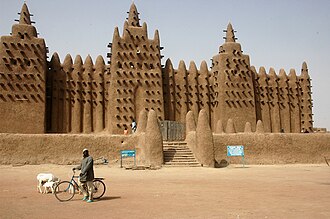
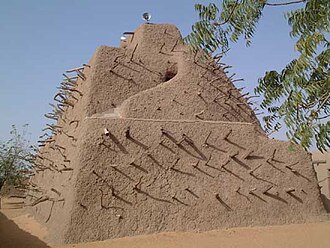
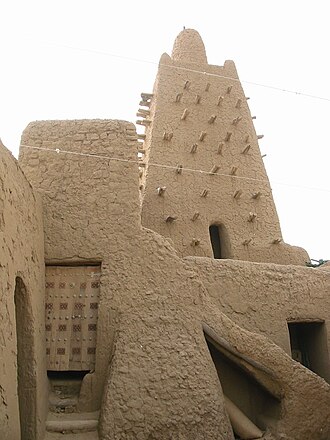
Timbuktu, the legendary city on the edge of the Sahara, contains three great mosques — Djinguereber, Sankore, and Sidi Yahia — that are UNESCO World Heritage Sites. In the 15th and 16th centuries, Timbuktu was one of the most important centers of Islamic learning in the world, with its university attracting scholars from across the Muslim world. The city's libraries once held hundreds of thousands of manuscripts on theology, law, science, and literature. The mosques have survived conflict and continue to serve their communities.
Spiritual Significance
The Djinguereber Mosque, established in 1327 by the Andalusian architect Abu Es Haq es Saheli under the reign of Mansa Musa, serves as a focal point for Sunni Maliki Islamic practice in the region. Annual Mawlid celebrations commemorate the Prophet Muhammad's birth with Quranic recitations and communal prayers conducted within the mosque's adobe walls. Pilgrims historically engaged in study circles referencing Sahih al-Bukhari and Maliki jurisprudence texts preserved at Timbuktu's ancient libraries. The Sankore Mosque, integral to the adjacent Sankore University, was a hub for scholarly debate rooted in Ash'ari theology, with students copying manuscripts on Islamic jurisprudence and theology. The Sidi Yahia Mosque continues to host the traditional rituals of Al-Mu'addhin, whose calls to prayer follow the specific melodic patterns codified in West African Islamic traditions. The spiritual life of these mosques is intertwined with the preservation of thousands of Islamic manuscripts, emphasizing Timbuktu's role as a center of Islamic learning and pilgrimage during the 15th and 16th centuries.
Key Facts
- •Three mosques — Djinguereber, Sankore, and Sidi Yahia — are UNESCO World Heritage Sites
- •Sankore University had 25,000 students at its peak in the 15th century
- •Timbuktu's libraries contain over 700,000 ancient manuscripts
- •Djinguereber Mosque was built in 1327 by Mansa Musa's architect
- •The mosques were damaged during the 2012 conflict but have been restored
Location
Coordinates: 16.7735, -3.0074
Frequently Asked Questions
What religion is Timbuktu Mosques associated with?▾
Timbuktu Mosques is a Islam holy site located in Mali. It was established 1327 (Djinguereber) and is ranked #601 in our global directory of sacred sites.
When was Timbuktu Mosques established?▾
Timbuktu Mosques dates back to 1327 (Djinguereber). Three mosques — Djinguereber, Sankore, and Sidi Yahia — are UNESCO World Heritage Sites
How many people visit Timbuktu Mosques each year?▾
Timbuktu Mosques receives approximately 30,000+ visitors per year. Sankore University had 25,000 students at its peak in the 15th century
What is Timbuktu Mosques known for?▾
The legendary mosques of Timbuktu, once the center of Islamic learning in West Africa. Visitors come seeking pilgrimage, spiritual enlightenment, guidance, blessings. Timbuktu's libraries contain over 700,000 ancient manuscripts
Related Holy Sites
Sacred places connected by country, religion, and purpose