🕌 Great Mosque of Djenné
Mali
About This Sacred Site
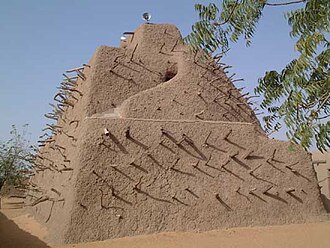
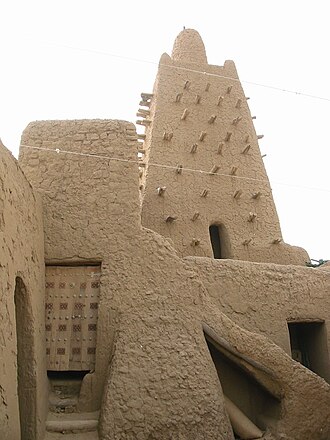
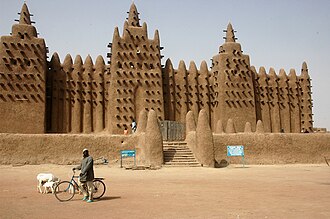
The Great Mosque of Djenné in Mali is the largest adobe structure globally, exemplifying Sudano-Sahelian architecture with its iconic minarets and wooden beams called torons protruding from its walls. Established originally circa 1240 CE, the current mosque was reconstructed in 1907 after earlier destruction. Its massive mud-brick walls and distinctive design serve both aesthetic and practical purposes, protecting against the region's intense heat. The mosque remains a vital religious and community center, hosting annual maintenance festivals where locals reapply mud plaster to preserve the structure.
History & Origins
The Great Mosque of Djenné was originally established around 1240 CE during the reign of the Mali Empire, serving as a crucial center for Islamic learning and worship in West Africa. The present structure, rebuilt in 1907 under the leadership of Ismaila Traoré, replaced the original 13th-century mosque on the same adobe foundation after it was damaged by floods. This reconstruction followed traditional Sudano-Sahelian architectural styles, utilizing sun-baked mud bricks (ferey) and palm wood torons which function both structurally and as scaffolding for annual replastering. The mosque was designated part of the UNESCO World Heritage Site of Djenné in 1988, recognizing its cultural and historical significance. The mosque has endured several renovations, including a major conservation effort in the 1990s led by the Aga Khan Trust for Culture to preserve its unique earthen architecture. Historically, the mosque played a key role in the trans-Saharan trade era, attracting scholars and traders who contributed to the intellectual vitality of the Mali Empire. It remains a symbol of Islamic heritage in the Sahel region and a landmark of Sudano-Sahelian architectural ingenuity.
Spiritual Significance
The Great Mosque of Djenné is the largest mud-brick structure globally, embodying centuries of Islamic religious practice since its initial construction circa 1240 CE. It hosts the annual Crepissage, a festival during which the entire community participates in replastering the mosque’s exterior with a mixture of mud and rice husks, a ritual signifying communal devotion and renewal rooted in Islamic principles of stewardship. The mosque is central to Djenné’s role as a center of Islamic scholarship, historically attracting jurists and Quranic teachers who taught Maliki jurisprudence and Sufi spirituality. Daily prayers and Friday congregational prayers (Jumu'ah) at the mosque are conducted in accordance with Maliki fiqh, emphasizing community and legal traditions derived from the Quran and Hadith. Pilgrims and students from across West Africa have historically journeyed to the mosque to study the Quranic sciences, reinforcing its theological importance within the broader Islamic world. The mosque’s form and function represent an adaptation of Islamic architectural expression to the local environment, reflecting Quranic injunctions regarding purity and communal worship spaces. The site continues to be a focal point for religious festivals and spiritual gatherings, linking contemporary practice to centuries of Islamic cultural heritage.
Key Facts
- •The largest mud-brick structure in the world
- •Part of the UNESCO World Heritage Site of Djenné (1988)
- •The current structure was rebuilt in 1907 on the foundation of the 13th-century original
- •The annual re-plastering festival is a major communal and spiritual event
- •Non-Muslims have been barred from entering since a 1996 fashion shoot controversy
Location
Coordinates: 13.9054, -4.5553
Frequently Asked Questions
What religion is Great Mosque of Djenné associated with?▾
Great Mosque of Djenné is a Islam holy site located in Mali. It was established c. 1240 CE (original) and is ranked #353 in our global directory of sacred sites.
When was Great Mosque of Djenné established?▾
Great Mosque of Djenné dates back to c. 1240 CE (original). The largest mud-brick structure in the world
How many people visit Great Mosque of Djenné each year?▾
Great Mosque of Djenné receives approximately 50,000+ visitors per year. Part of the UNESCO World Heritage Site of Djenné (1988)
What is Great Mosque of Djenné known for?▾
The largest mud-brick structure in the world and a masterpiece of Sudano-Sahelian architecture. Visitors come seeking pilgrimage, blessings, purification, peace. The current structure was rebuilt in 1907 on the foundation of the 13th-century original
Related Holy Sites
Sacred places connected by country, religion, and purpose