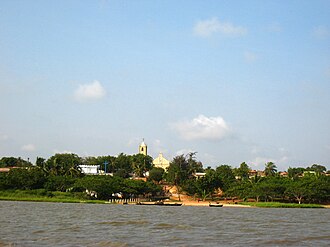
⛪ Togoville Notre-Dame
Togo
About This Sacred Site
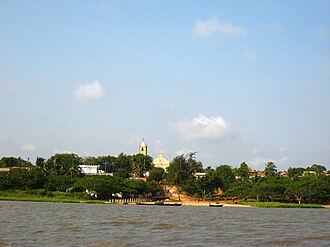
The Church of Notre-Dame du Lac Togo in Togoville is one of West Africa's most important Marian pilgrimage sites. Located on the northern shore of Lake Togo, Togoville is the historic town where the German-Togolese protectorate treaty was signed in 1884. The church, dedicated to Our Lady of the Lake, draws thousands of pilgrims annually, particularly for the Marian feast on August 15th. Pope John Paul II visited and prayed at the shrine in 1985. The town also maintains strong Vodun traditions, creating a unique spiritual environment where Christianity and indigenous beliefs coexist.
History & Origins
Established circa 1910, the church was built during the German colonial period shortly after the 1884 protectorate treaty signing on the nearby lake shore. It underwent significant renovations in the 1950s under French administration to accommodate growing local Christian communities. Pope John Paul II visited and prayed at the church in 1985, marking a pivotal moment in its modern history and elevating its status among Togolese Catholics. The site reflects colonial architectural influences blended with local materials and craftsmanship, maintaining its original façade alongside later structural reinforcements. The church remains a focal point of religious activity in the region, symbolizing a century of Christian presence in Togoville.
Spiritual Significance
Dedicated to the Virgin Mary, the church hosts an annual Marian feast on August 15 that draws pilgrims from across Togo, celebrating the Assumption with processions and special masses. Devotees participate in novenas and rosaries, emphasizing Marian doctrines central to Togolese Catholic practice. The site is associated with miraculous healings attributed to prayers offered at the altar, which contains relics brought during early missionary efforts. Clergy at the church maintain traditions of intercessory prayers and catechetical instruction grounded in Vatican II teachings. The church’s location on a historic treaty site intertwines spiritual reverence with national memory, enhancing its importance as a pilgrimage destination.
Key Facts
- •Pope John Paul II visited and prayed at the church in 1985
- •Located on the historic shore where the German protectorate treaty was signed in 1884
- •The Marian feast on August 15th draws thousands of pilgrims
- •Togoville maintains both Christian and Vodun spiritual traditions
- •The church overlooks Lake Togo and is reached by boat from Lomé
Location
Coordinates: 6.2333, 1.5000
Frequently Asked Questions
What religion is Togoville Notre-Dame associated with?▾
Togoville Notre-Dame is a Christianity holy site located in Togo. It was established c. 1910 and is ranked #955 in our global directory of sacred sites.
When was Togoville Notre-Dame established?▾
Togoville Notre-Dame dates back to c. 1910. Pope John Paul II visited and prayed at the church in 1985
How many people visit Togoville Notre-Dame each year?▾
Togoville Notre-Dame receives approximately 40,000 visitors per year. Located on the historic shore where the German protectorate treaty was signed in 1884
What is Togoville Notre-Dame known for?▾
A Marian pilgrimage church on the shores of Lake Togo where the protectorate treaty was signed. Visitors come seeking miracles, blessings, pilgrimage. The Marian feast on August 15th draws thousands of pilgrims
Related Holy Sites
Sacred places connected by country, religion, and purpose
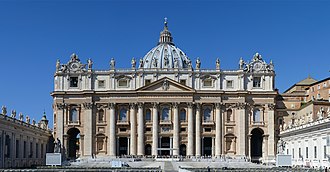
⛪Vatican City (St. Peter's Basilica)
The spiritual center of Roman Catholicism and home of the Pope.
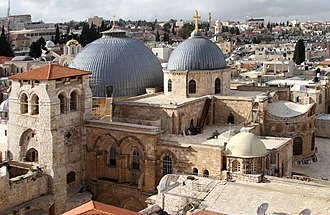
✝️Church of the Holy Sepulchre
The site where Jesus was crucified, buried, and resurrected.