
🏠 Koutammakou (Tamberma Valley)
Togo
About This Sacred Site
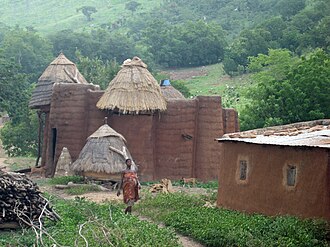
Koutammakou, the Land of the Batammariba, is a UNESCO World Heritage cultural landscape in northeastern Togo characterized by remarkable mud tower-houses called takienta. These structures are far more than dwellings — each is a microcosm of the Batammariba spiritual universe, with different levels representing the earth, human world, and celestial realm. The landscape itself is considered sacred, with specific mountains, trees, and water sources serving as shrines to nature spirits and ancestors. Initiation ceremonies that have continued for centuries connect young people to ancestral spiritual wisdom.
Spiritual Significance
The Takienta tower-houses, constructed since the 17th century by the Batammariba people, embody their cosmological worldview with distinct levels representing the earth, human, and spirit worlds. Rituals performed within these mud-brick structures include annual ceremonies to honor ancestral spirits, essential for maintaining harmony between the living and supernatural realms. The Batammariba celebrate the 'Gadao' festival, a harvest ritual invoking protection and fertility, where offerings are placed on the upper floors symbolizing the spirit realm. Diviners, called 'Tata,' interpret omens and communicate with deities through sacred rites conducted in designated shrine rooms within the towers. UNESCO recognized the valley in 2004 for its unique integration of architecture and spirituality, preserving oral traditions that link the physical house structure with Batammariba religious beliefs.
Key Facts
- •UNESCO World Heritage Site since 2004
- •The takienta tower-houses symbolize the Batammariba cosmos
- •Each house has levels representing earth, human, and spirit worlds
- •Sacred natural features serve as shrines throughout the landscape
- •Initiation ceremonies maintain ancestral spiritual traditions
Location
Coordinates: 10.0667, 1.0833
Frequently Asked Questions
What religion is Koutammakou (Tamberma Valley) associated with?▾
Koutammakou (Tamberma Valley) is a Indigenous holy site located in Togo. It was established c. 17th century and is ranked #347 in our global directory of sacred sites.
When was Koutammakou (Tamberma Valley) established?▾
Koutammakou (Tamberma Valley) dates back to c. 17th century. UNESCO World Heritage Site since 2004
How many people visit Koutammakou (Tamberma Valley) each year?▾
Koutammakou (Tamberma Valley) receives approximately 20,000 visitors per year. The takienta tower-houses symbolize the Batammariba cosmos
What is Koutammakou (Tamberma Valley) known for?▾
A UNESCO landscape of fortified tower houses with deep spiritual significance. Visitors come seeking ancestral connection, protection, spiritual enlightenment. Each house has levels representing earth, human, and spirit worlds
Related Holy Sites
Sacred places connected by country, religion, and purpose
🪨Uluru (Ayers Rock)
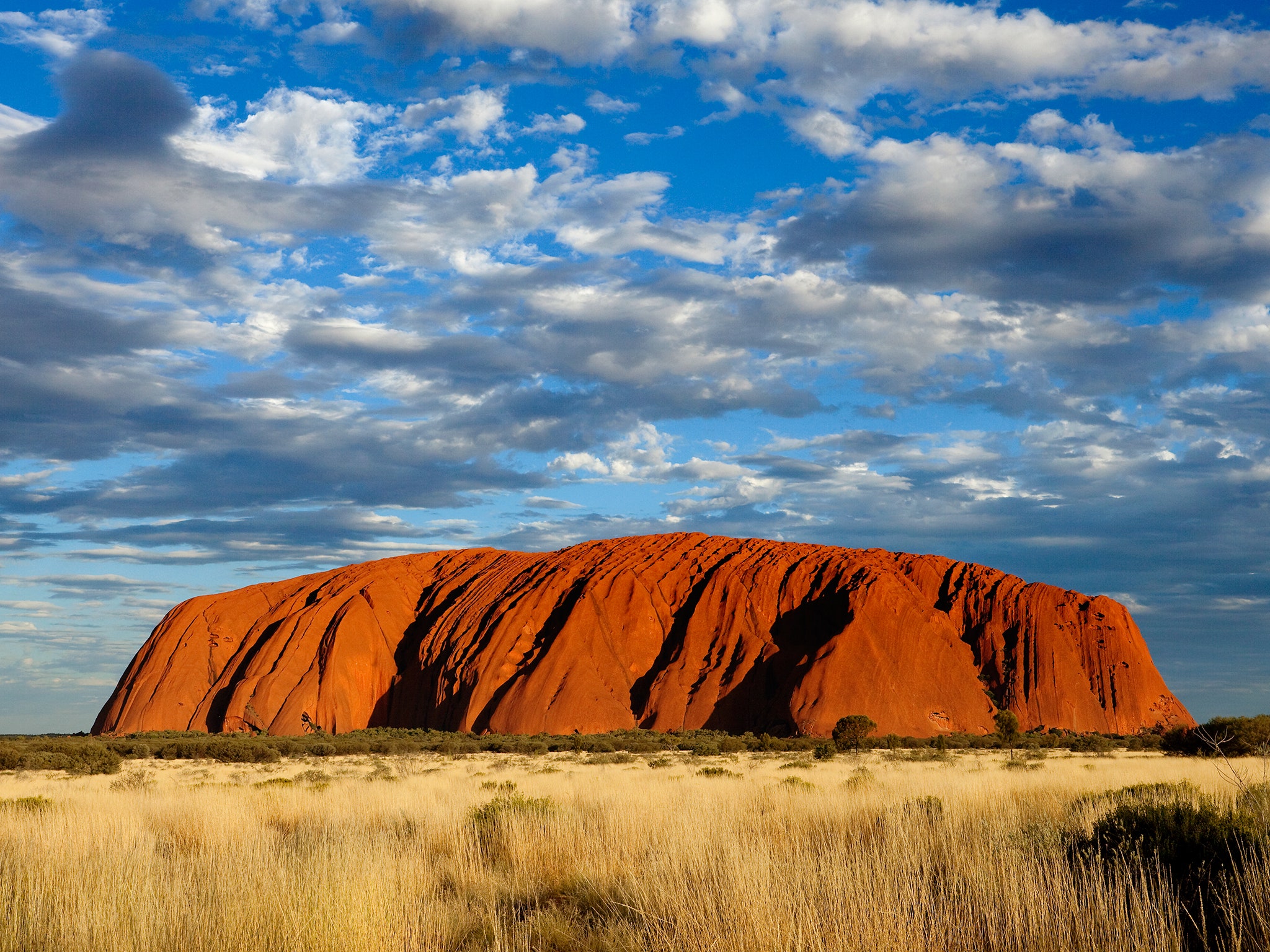
A sacred monolith central to Aboriginal Australian creation stories.
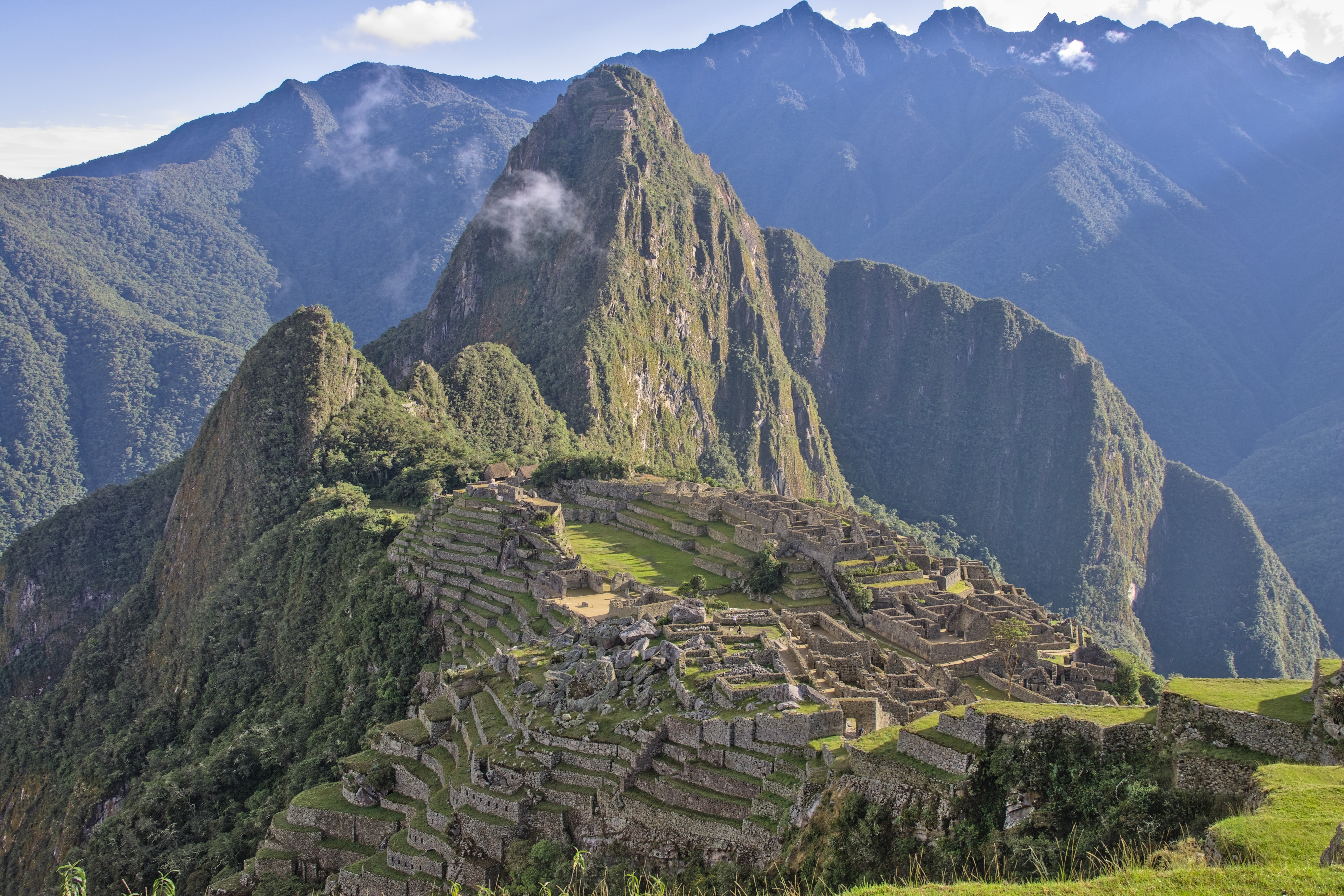
🏔️Machu Picchu
A sacred Inca citadel set high in the Andes, aligned with astronomical events.
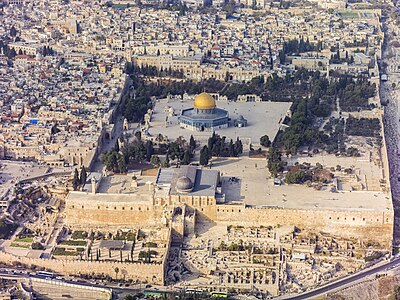
🕌Temple Mount / Al-Aqsa (Jerusalem)
Sacred to Judaism, Christianity, and Islam — the most contested holy site on Earth.
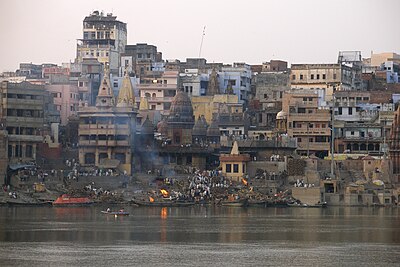
🙏Varanasi (Kashi Vishwanath Temple)
The holiest city in Hinduism, where the Ganges River purifies the soul.

